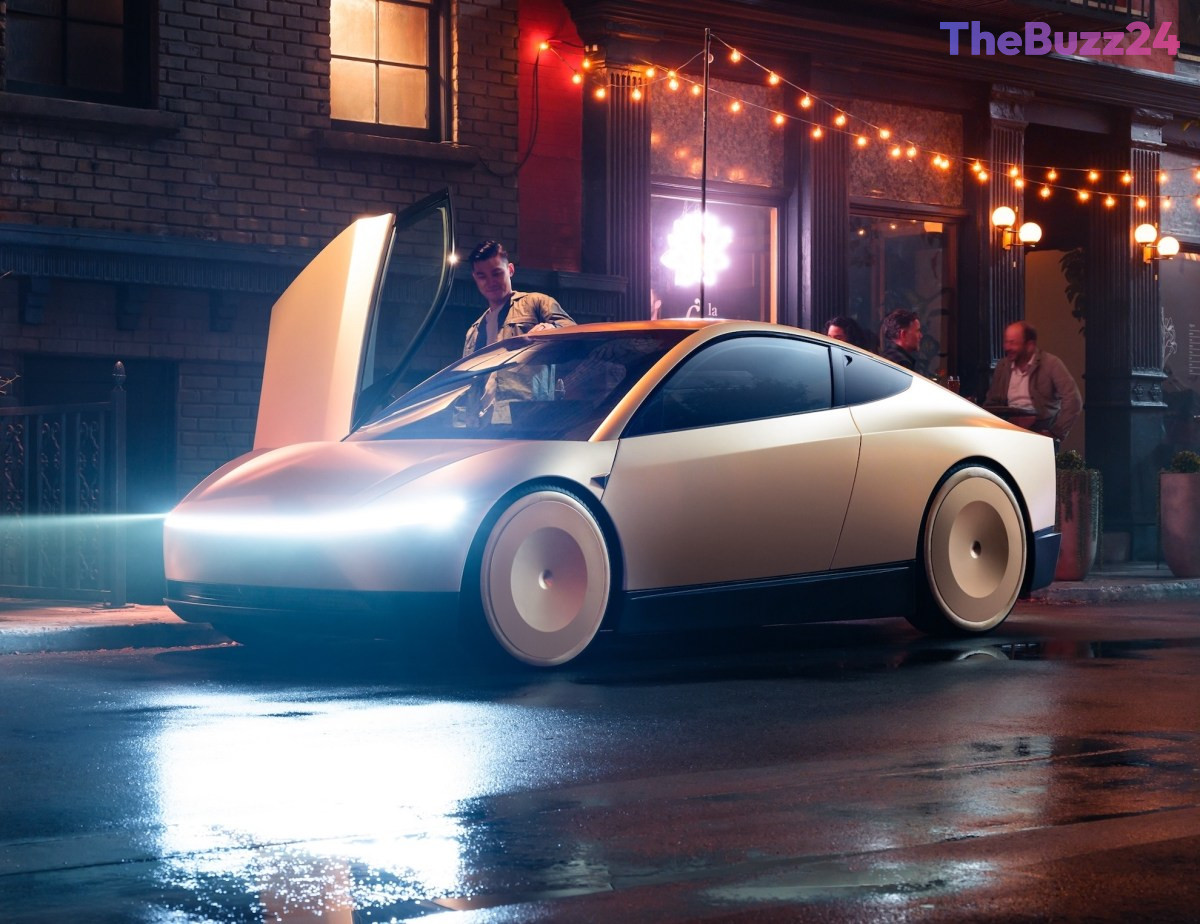
Federal Proposal Aims to Remove Brake Pedal Mandate for Fully Autonomous Vehicles
The Department of Transportation (DOT) under the Trump administration put forth a significant regulatory proposal that could reshape the landscape for autonomous vehicle (AV) development. The proposed changes would eliminate the federal requirement for brake pedals in vehicles specifically designed to be operated exclusively by automated driving systems. This move is poised to remove a substantial regulatory hurdle for companies like Tesla and Amazon-owned Zoox, which are actively developing vehicles intended to function without traditional manual controls such as steering wheels or pedals. The public now has a 30-day window to submit comments on the proposal before the DOT makes a final decision.
This initiative is not an isolated event but rather the latest in a series of proposed revisions to vehicle laws initiated by the Trump DOT. Previously, the National Highway Traffic Safety Administration (NHTSA) suggested removing various Federal Motor Vehicle Safety Standards (FMVSS) requirements pertaining to windshield wiping and defogging systems, as well as tire placards. Furthermore, the Biden administration also contributed to this regulatory evolution, with the NHTSA proposing and ultimately finalizing a rule that permits autonomous vehicles to operate without steering wheels, indicating a bipartisan trend towards adapting regulations for emerging AV technology.
Currently, any company developing an autonomous vehicle that deviates from standard FMVSS requirements must seek a special exemption from the federal government. Even when granted, these exemptions typically impose limitations on the number of such vehicles allowed on public roads. Proponents argue that by removing specific component requirements, such as for brake pedals, the deployment of fully autonomous vehicles could be significantly accelerated. NHTSA Administrator Jonathan Morrison emphasized the transformative potential, stating, “We are at the cusp of the greatest technological revolution in vehicle technology since the innovation of the Model T. If we want America to lead the way, we have to reimagine our regulatory framework.”
Companies are already pushing the boundaries of AV technology. Tesla, for instance, has been developing its two-seater Cybercab, designed to operate entirely without a steering wheel or pedals, with CEO Elon Musk anticipating nationwide deployment once regulatory approvals are secured. In the interim, Tesla has been running a robotaxi service in Austin, Texas, transitioning from vehicles with safety drivers to “unsupervised” operations, albeit with remote teleoperators monitoring and occasionally intervening. Zoox, on the other hand, successfully obtained an FMVSS exemption last year for its purpose-built robotaxi and is currently awaiting approval for commercial operation. In contrast, companies like Waymo, which utilize retrofitted standard vehicles equipped with manual controls, face fewer deployment restrictions.
Key Takeaways
- The Trump administration's Department of Transportation proposed removing the federal requirement for brake pedals in vehicles designed exclusively for automated driving systems.
- This regulatory change aims to accelerate the deployment of fully autonomous vehicles by companies like Tesla and Zoox, which are developing vehicles without traditional manual controls.
- The proposal is part of a broader trend by both Trump and Biden administrations to update vehicle safety standards to accommodate emerging autonomous driving technologies.
Editor’s Analysis & Impact
This proposed regulatory shift marks a pivotal moment for the autonomous vehicle industry, potentially accelerating the development and deployment of purpose-built AVs. By removing the mandate for traditional controls like brake pedals, the Department of Transportation is signaling a willingness to adapt regulations to technological advancements rather than forcing innovation to fit outdated frameworks. This could significantly reduce development costs and time for companies like Tesla and Zoox, fostering greater competition and potentially bringing fully autonomous robotaxi services to market faster. However, it also intensifies the focus on the robustness of AV software and safety protocols, as the absence of human override mechanisms places a higher burden on the autonomous systems themselves. The broader implication is a faster transition towards a future of transportation fundamentally reshaped by AI and automation, with potential impacts on urban planning, logistics, and employment.
Frequently Asked Questions
Q: What is the main change proposed by the Trump administration's DOT?
A: The Department of Transportation proposed removing the federal requirement for brake pedals in vehicles designed to be driven exclusively by automated driving systems.
Q: Which companies stand to benefit most from this regulatory change?
A: Companies developing fully autonomous vehicles without traditional manual controls, such as Tesla with its Cybercab and Amazon-owned Zoox with its robotaxi, are expected to benefit significantly.
Q: Has there been similar regulatory action regarding autonomous vehicles previously?
A: Yes, the Biden administration's NHTSA previously finalized a rule allowing autonomous vehicles to operate without steering wheels, indicating a bipartisan effort to update regulations for AV technology.
AI Disclosure: This article is based on verified data and official reports. Our Team and AI have cross-referenced every financial detail with primary sources to ensure total accuracy.
More from this Category