Federal Reserve Holds Rates Steady Amid Rare Dissent Over Persistent Inflation
The Federal Reserve opted to maintain its benchmark interest rate within a target range of 3.5% to 3.75%, though the decision revealed growing internal friction among central bank officials. Three regional bank presidents broke ranks to advocate for an immediate rate hike, highlighting ongoing concerns regarding stubborn inflation that has remained above the central bank’s targeted 2% threshold for over five years.
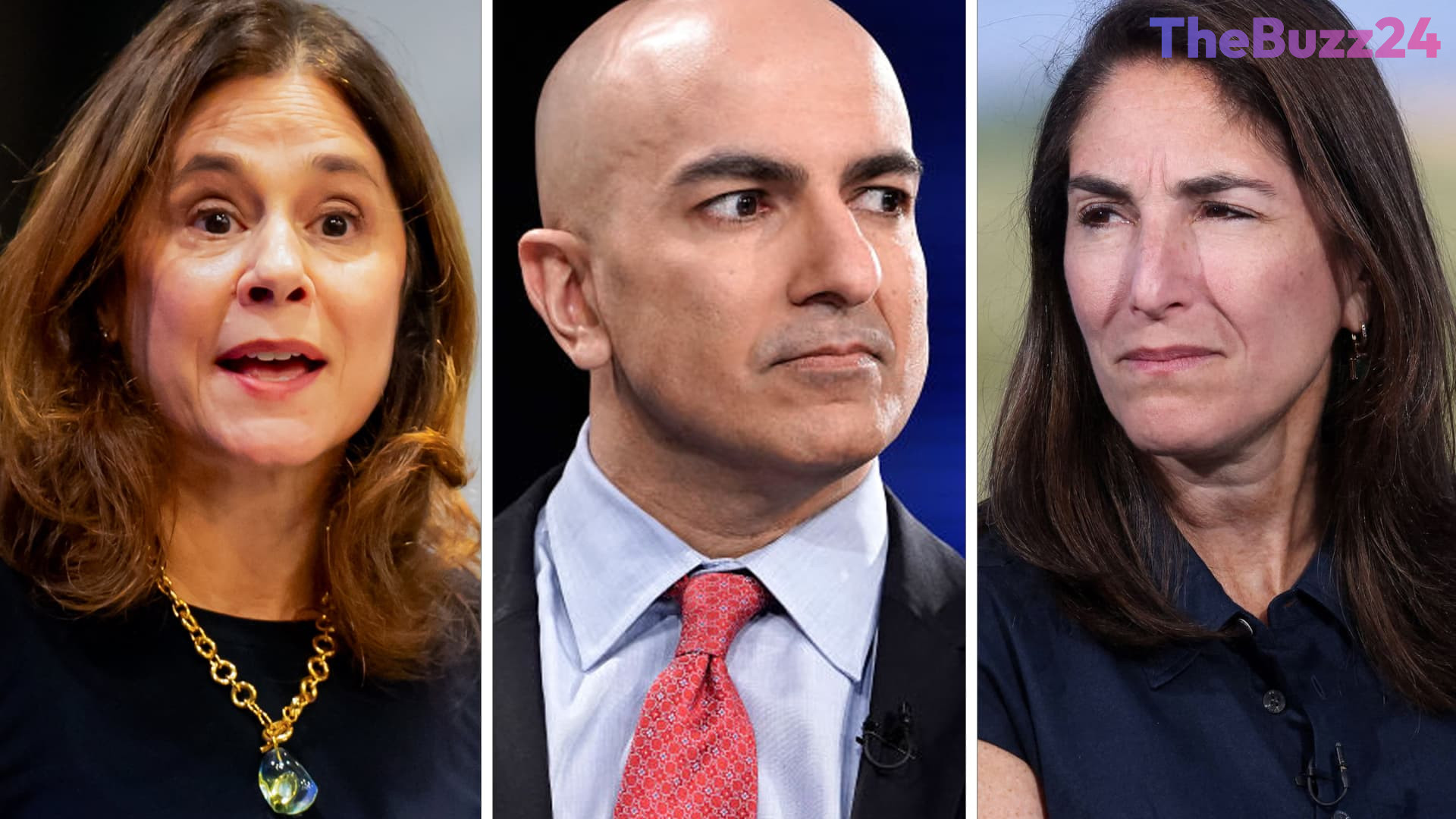
The dissenting votes came from Cleveland Fed President Beth Hammack, Minneapolis Fed President Neel Kashkari, and Dallas Fed President Lorie Logan. This marked the first time since September 2016 that three policymakers have simultaneously dissented in favor of a tighter monetary policy stance. The officials argued that elevated price pressures—driven partly by recent energy costs and tariffs—continue to strain household budgets and require proactive intervention.
Led by Chairman Kevin Warsh, the Federal Open Market Committee ultimately voted 9-3 to keep rates unchanged. Warsh has championed a shift in central bank communication, favoring a reduced reliance on explicit forward guidance regarding future rate movements in favor of a more flexible, condition-based approach. Despite the heightened uncertainty and the vocal hawkish sentiment from regional leaders, the broader committee reiterated its commitment to achieving long-term price stability while noting that overall economic expansion remains steady.
Key Takeaways
- The Federal Reserve kept its key interest rate unchanged between 3.5% and 3.75%.
- Three regional Fed presidents dissented, pushing for a quarter-percentage-point rate hike due to inflation concerns.
- Chairman Kevin Warsh continues to advocate for reduced forward guidance and a more concise communication strategy.
Editor’s Analysis & Impact
The recent Federal Reserve meeting underscores a delicate balancing act for Chairman Kevin Warsh as he navigates a divided central bank. The emergence of three formal dissents signals that the era of unified consensus may be giving way to a more vocal hawkish faction, driven by persistent inflation that refuses to drop cleanly to the 2% target. For financial markets, the lack of traditional forward guidance introduces a higher degree of volatility and uncertainty, forcing investors to rely more heavily on incoming macroeconomic data rather than central bank roadmaps. If inflation pressures from energy costs and trade policies persist, the pressure on the Fed to pivot toward tighter monetary policy will only intensify, potentially setting the stage for contentious policy debates in upcoming meetings.
Frequently Asked Questions
Q: Why did the three regional Fed presidents vote against holding rates?
A: Beth Hammack, Neel Kashkari, and Lorie Logan dissented because inflation has remained above the Fed's 2% target for over five years, and they felt higher rates were necessary to combat persistent price pressures.
Q: What is Kevin Warsh's approach to Fed communication?
A: Chairman Kevin Warsh prefers giving fewer signals and less forward guidance about the central bank's next moves, emphasizing instead the specific economic conditions that will trigger future policy actions.
AI Disclosure: This article is based on verified data and official reports. Our Team and AI have cross-referenced every financial detail with primary sources to ensure total accuracy.
More from this Category