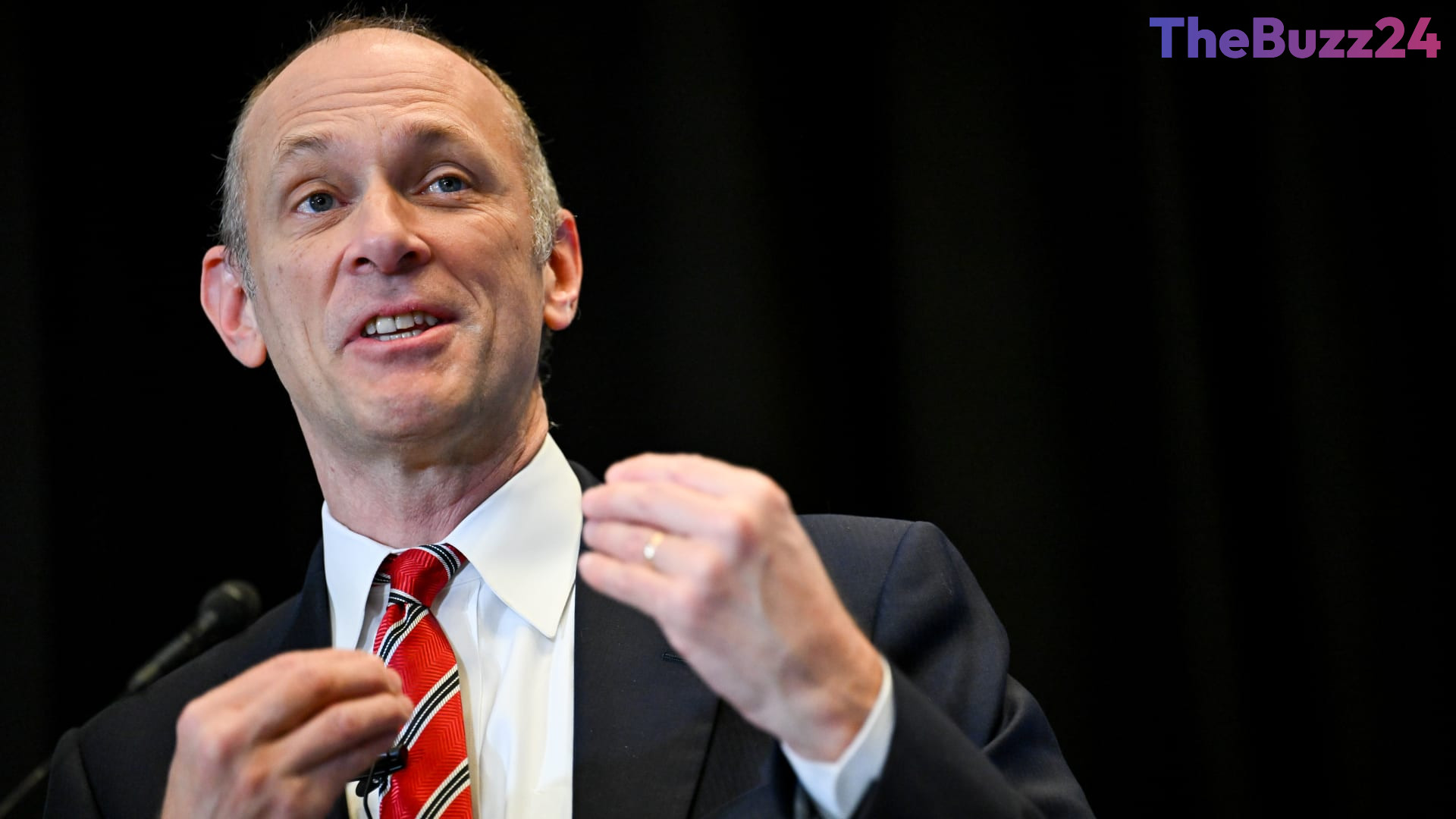
Federal Reserve Officials Weigh In on Persistent Inflation and Future Policy Path
Federal Reserve officials are signaling a cautious outlook as they navigate the ongoing challenge of elevated inflation. Chicago Fed President Austan Goolsbee recently highlighted that while there are minor signs of improvement, inflation remains a primary concern that outweighs current labor market considerations. Goolsbee emphasized that the central bank is prioritizing a data-dependent approach, moving away from speculative forward guidance regarding future interest rate adjustments.
This sentiment aligns with a broader shift in communication strategy under the current leadership. Goolsbee noted that streamlining the Federal Open Market Committee’s messaging is a healthy development, allowing the committee to focus on current economic realities rather than committing to specific rate paths. Recent data from the Commerce Department underscored the difficulty of the task, with core personal consumption expenditures—the Fed’s preferred inflation gauge—reaching 3.4% in May, driven by notable increases in energy and transportation costs.
Meanwhile, New York Fed President John Williams expressed a more optimistic view regarding the trajectory of price pressures. While maintaining that current interest rates are appropriate for the time being, Williams projected that inflation will begin to moderate as the impact of tariffs wanes and rent increases stabilize. He anticipates a gradual decline in inflation toward the 2% target by 2028, though he stressed that the central bank remains firmly committed to its dual mandate of supporting maximum employment and price stability.
Key Takeaways
- Chicago Fed President Austan Goolsbee identified inflation as the primary challenge for the central bank, noting that it currently outweighs labor market concerns.
- The Federal Reserve is moving away from providing speculative 'forward guidance' on interest rates to maintain flexibility based on incoming economic data.
- New York Fed President John Williams expects inflation to trend downward, citing moderating rent costs and the easing of supply-side pressures as key factors.
Editor’s Analysis & Impact
The recent comments from Fed officials highlight a strategic pivot toward ‘data-dependency’ and a reduction in market-moving forward guidance. By distancing themselves from rigid rate-path predictions, policymakers are attempting to regain control over market expectations, which have been volatile due to persistent inflation readings. The divergence in tone between Goolsbee’s focus on the ‘inflation problem’ and Williams’s projection of a ‘glide path’ to 2% suggests that while the committee is unified on the goal, the internal debate over the timing of policy shifts remains active. Investors should anticipate continued market sensitivity to monthly PCE data, as the Fed appears increasingly wary of committing to a specific trajectory until inflation shows a more definitive and sustained decline.
Frequently Asked Questions
Q: Why is the Federal Reserve moving away from forward guidance?
A: Policymakers believe that removing speculative language about future interest rate paths allows the committee to remain more flexible and responsive to incoming economic data rather than being locked into previous projections.
Q: What is the Federal Reserve's long-term inflation goal?
A: The Federal Reserve maintains a long-run goal of 2% inflation to ensure price stability and support sustainable economic growth.
AI Disclosure: This article is based on verified data and official reports. Our Team and AI have cross-referenced every financial detail with primary sources to ensure total accuracy.
More from this Category