Ferrari Unveils the Luce: A Bold, Polarizing Leap into the Electric Era
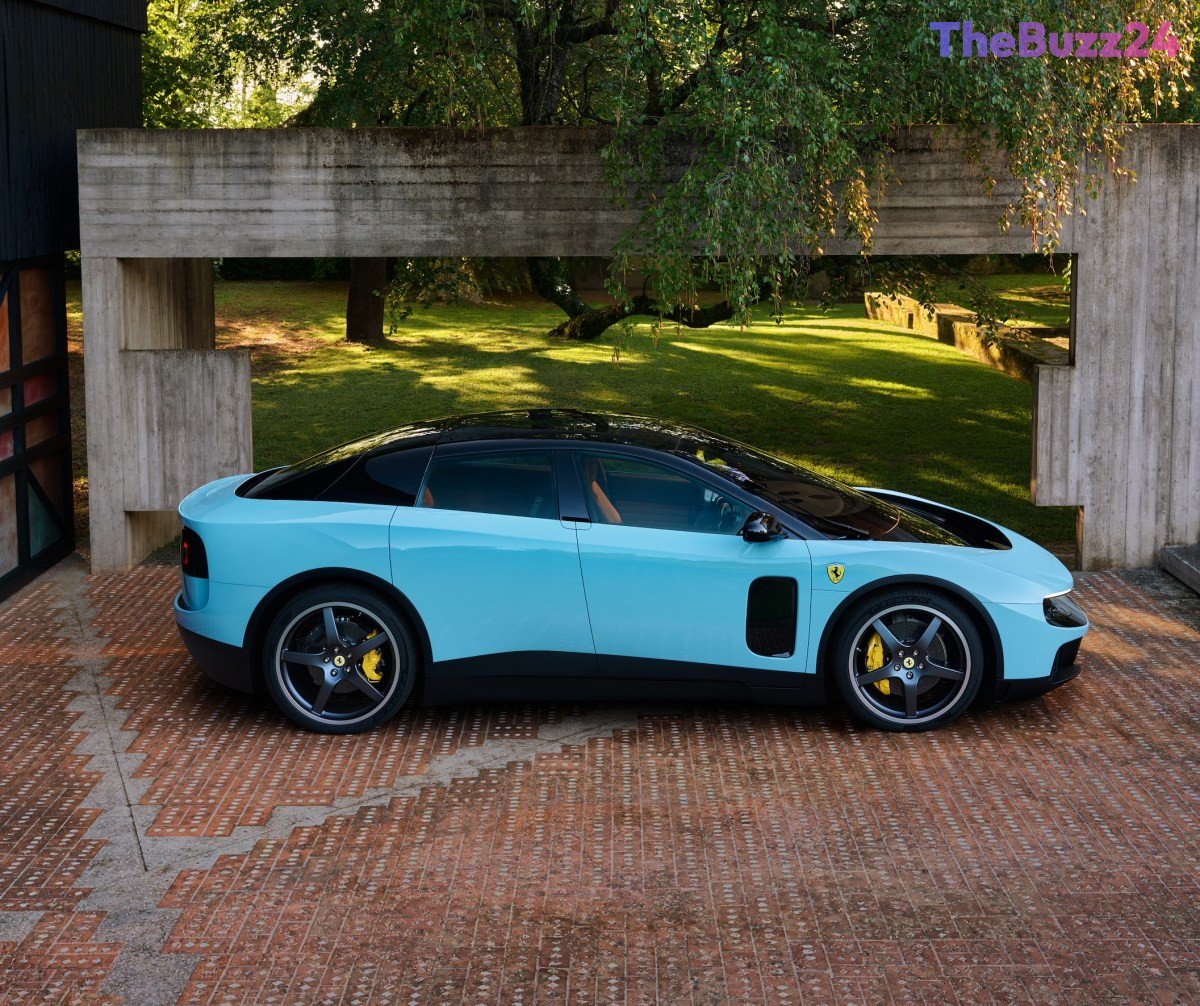
Ferrari has officially entered the electric vehicle market with the debut of the Luce, a high-performance five-seater developed in partnership with Jony Ive and his design firm, LoveFrom. The vehicle makes a powerful statement with 1,000 horsepower and a blistering zero-to-60 mph acceleration time of under two seconds. Despite these technical achievements, the car has ignited a firestorm of debate due to its unconventional, wedge-shaped exterior, which deviates significantly from the aggressive, heritage-inspired styling that has long defined the Italian automaker.
Positioned at a premium price point of approximately $650,000, the Luce represents a strategic pivot for the brand. While traditional enthusiasts have voiced concerns over the departure from Ferrari’s classic aesthetic, the interior offers a deliberate counter-trend to the industry’s move toward minimalist digital screens. Instead, the cabin features a tactile interface of physical buttons and knobs, prioritizing a tangible driving experience over modern screen-heavy dashboards.
Industry observers view the Luce as a necessary maneuver to align with tightening European Union emissions regulations, which mandate a transition away from internal combustion engines by 2035. By targeting a demographic that already embraces electric mobility, Ferrari is attempting to broaden its appeal beyond its traditional base. Furthermore, the design language is widely seen as a calculated effort to capture market share in China, where the brand has faced recent sales headwinds and where local consumers are increasingly accustomed to futuristic, high-performance electric designs.
Ultimately, the success of the Luce will depend on whether Ferrari can balance its storied legacy with the demands of a rapidly evolving global market. While the design remains controversial, the company is betting that its prestige and engineering prowess will be enough to carve out a new niche in the competitive landscape of luxury electric vehicles.
Key Takeaways
- Ferrari's first electric vehicle, the Luce, features 1,000 horsepower and a sub-two-second acceleration time.
- The vehicle's wedge-shaped design and tactile interior controls represent a significant departure from Ferrari's traditional aesthetic and current industry digital trends.
- The Luce is a strategic move to comply with 2035 EU emissions mandates and to attract a new demographic of EV buyers, particularly in the Chinese market.
Editor’s Analysis & Impact
The launch of the Luce marks a critical inflection point for Ferrari. By collaborating with Jony Ive, the company is signaling that it is not merely electrifying its existing lineup but attempting to redefine the luxury EV experience entirely. The decision to embrace a polarizing design suggests that Ferrari is willing to risk alienating its core base to secure long-term relevance in a post-combustion world. The focus on tactile controls is a clever differentiator in a market saturated with ‘iPad-on-wheels’ interiors, potentially appealing to purists who fear the loss of mechanical soul in EVs. However, the $650,000 price tag places it in a rarefied segment where brand loyalty is paramount. If the Luce fails to resonate with the Chinese market or traditionalists, Ferrari may face a difficult identity crisis as it navigates the mandatory transition to electric power.
Frequently Asked Questions
Q: What are the performance specifications of the Ferrari Luce?
A: The Luce boasts 1,000 horsepower and is capable of accelerating from zero to 60 mph in under two seconds.
Q: Why did Ferrari choose a non-digital interior for the Luce?
A: The interior features tactile buttons and knobs as a deliberate design choice to offer a more physical, engaging user experience, contrasting with the minimalist digital-heavy trends seen in most modern electric vehicles.
AI Disclosure: This article is based on verified data and official reports. Our Team and AI have cross-referenced every financial detail with primary sources to ensure total accuracy.
More from this Category