Finnish President Proposes Ambitious Expansion of European Union to 40 Member States
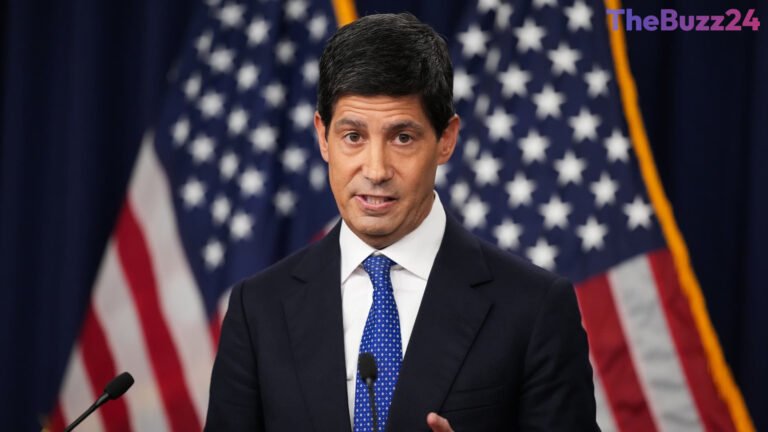
Finnish President Alexander Stubb has called for a radical expansion of the European Union, urging the bloc to increase its membership to 40 nations to bolster its geopolitical influence. Speaking at an energy summit in Helsinki, Stubb emphasized that the current global climate—marked by the ongoing conflict in Ukraine and shifting international alliances—presents a unique window of opportunity for the EU to scale its operations and solidify its strategic autonomy.
Stubb’s vision extends beyond traditional European borders, suggesting that the bloc should consider unconventional candidates, including Canada, the United Kingdom, Norway, Iceland, and Turkey. The president argued that the EU’s strength is fundamentally tied to its size and scale, suggesting that flexible membership models could integrate these diverse nations to create a more formidable global power. He specifically highlighted the potential for Canada to align more closely with European interests, framing it as a strategic alternative to North American integration.
While the EU is already in the midst of its most significant enlargement process in decades, with nine countries currently in various stages of candidacy, Stubb’s proposal pushes the boundaries of conventional policy. He noted that the Western Balkans remain a critical area of focus, alongside the need to re-engage with Turkey for security purposes. As the bloc navigates these complex geopolitical waters, Stubb urged leaders to move past bureaucratic hesitation and embrace a broader, more ambitious vision for the future of European cooperation.
Key Takeaways
- Finnish President Alexander Stubb advocates for expanding the EU to 40 member states to enhance global geopolitical power.
- The proposed expansion includes non-traditional candidates such as Canada, the U.K., Norway, Iceland, and Turkey.
- Stubb argues that the current window for enlargement is limited and that the EU must act decisively to secure its strategic autonomy.
Editor’s Analysis & Impact
President Stubb’s proposal represents a significant departure from traditional EU enlargement policy, which has historically focused on geographic proximity and strict adherence to the ‘acquis communautaire.’ By suggesting the inclusion of non-European nations like Canada, Stubb is effectively proposing a shift from a regional trade and political bloc to a global alliance of democratic, middle-power states. This reflects a growing anxiety among European leaders regarding the volatility of U.S. foreign policy and the need for a unified front against authoritarian expansion. However, the practical hurdles—ranging from internal EU consensus requirements to the complex domestic politics of candidate nations like Norway and Turkey—remain immense. If pursued, this strategy would fundamentally redefine the EU’s identity, moving it toward a more flexible, multi-tiered structure that prioritizes security and economic scale over strict territorial integration.
Frequently Asked Questions
Q: Why is the Finnish President suggesting that Canada join the European Union?
A: President Stubb suggests that Canada could benefit from closer ties with the EU as a strategic partner, framing it as an alternative to deeper integration with the United States.
Q: Is there currently a formal process for countries like Canada or the U.K. to join the EU?
A: No. Currently, the EU enlargement process is focused on nine specific candidate countries, primarily in the Western Balkans and Eastern Europe. There is no formal mechanism or active negotiation for Canada or the U.K. to join the bloc.
AI Disclosure: This article is based on verified data and official reports. Our Team and AI have cross-referenced every financial detail with primary sources to ensure total accuracy.
More from this Category