Strait of Hormuz Sees Tentative Reopening as Shipping Industry Remains Wary
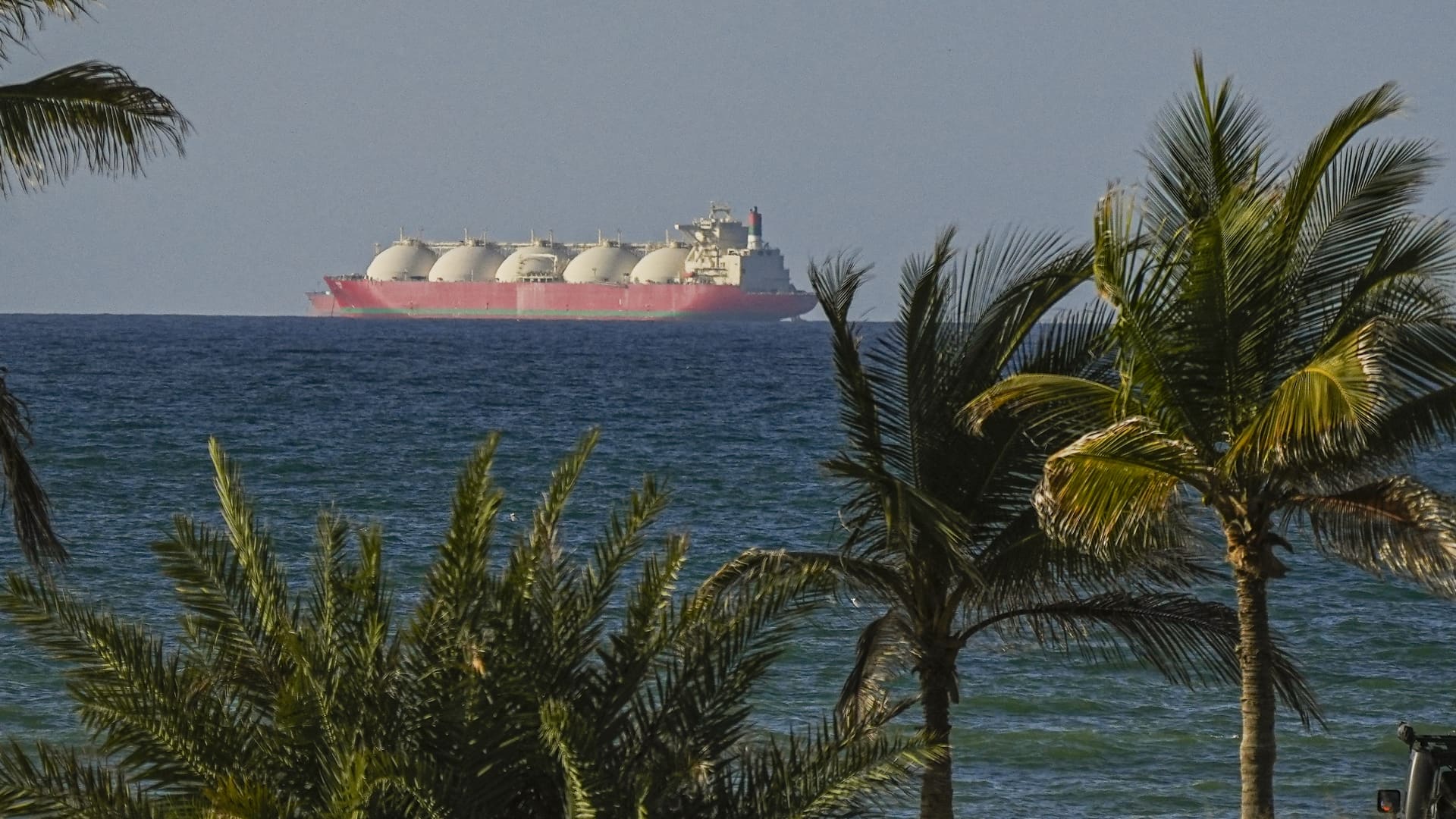
The Strait of Hormuz, a critical artery for global energy supplies, has recorded its first vessel transits following a two-week ceasefire between Iran and the United States. While the diplomatic pause has allowed for limited movement, maritime activity remains a mere fraction of pre-conflict levels. Notably, while dry cargo vessels such as the NJ Earth and the Daytona Beach have successfully navigated the waterway, oil tanker traffic remains at a standstill.
The maritime sector continues to operate under a cloud of uncertainty, driven by new operational requirements imposed by Iranian authorities. Reports suggest that Tehran is mandating that all vessels coordinate directly with its Armed Forces and adhere to strict, albeit vaguely defined, technical limitations. Furthermore, industry insiders are monitoring potential requirements for cryptocurrency-based toll payments and mandatory weapons inspections, which have deterred many major shipping firms from resuming normal operations.
Despite high-level assurances from U.S. officials, including Defense Secretary Pete Hegseth and Joint Chiefs of Staff Chairman Dan Caine, who have characterized the current state of the strait as secure, the industry remains hesitant. President Donald Trump has signaled a pivot toward diplomatic and financial engagement, suggesting potential support for Iranian reconstruction efforts. However, until shipping giants like Maersk receive definitive clarity on safety protocols and transit conditions, the flow of goods through this vital chokepoint is expected to remain significantly suppressed compared to the pre-conflict average of over 100 vessels per day.
Key Takeaways
- The Strait of Hormuz has reopened for limited dry cargo transit, but oil tanker traffic remains completely halted.
- New Iranian requirements, including potential cryptocurrency tolls and mandatory weapons inspections, are causing significant hesitation among global shipping companies.
- Despite U.S. government claims of a secure waterway, major logistics firms are prioritizing crew safety and awaiting further regulatory clarity.
Editor’s Analysis & Impact
The tentative reopening of the Strait of Hormuz highlights the fragility of global supply chains in the wake of geopolitical volatility. While the ceasefire provides a necessary diplomatic window, the transition from conflict to stability is hindered by the lack of standardized maritime protocols. The shift in U.S. policy toward potential economic cooperation with Iran marks a significant departure from previous hardline stances, yet the market remains skeptical. The primary concern for the energy sector is not just the physical safety of the strait, but the long-term implications of Iran’s new vetting and tolling requirements. If these conditions persist, the cost of insurance and transit through the region will likely remain elevated, potentially keeping global oil prices volatile even if the waterway remains technically open.
Frequently Asked Questions
Q: Why are oil tankers still not using the Strait of Hormuz?
A: Oil tankers remain sidelined due to extreme caution from shipping companies regarding new, unspecified technical requirements, potential weapons inspections, and the lack of clear, long-term safety guarantees.
Q: What are the new transit requirements mentioned for the strait?
A: Reports indicate that Iran is requiring vessels to coordinate with its Armed Forces, adhere to new technical limitations, and there is speculation regarding the implementation of cryptocurrency-based tolls and mandatory cargo inspections.
AI Disclosure: This article is based on verified data and official reports. Our Team and AI have cross-referenced every financial detail with primary sources to ensure total accuracy.
More from this Category