Fiscal Tightrope: What Starmer’s Resignation and the Rise of Andy Burnham Mean for UK Markets
United Kingdom Prime Minister Keir Starmer has announced his resignation, triggering the search for Britain’s seventh leader in just a decade. The Labour Party must now navigate a leadership transition expected to conclude by September 1. While a change at 10 Downing Street represents a major political milestone, financial experts warn that the country’s deep-seated economic challenges remain unchanged, leaving the incoming administration with a narrow path to stimulate growth while maintaining strict fiscal discipline.
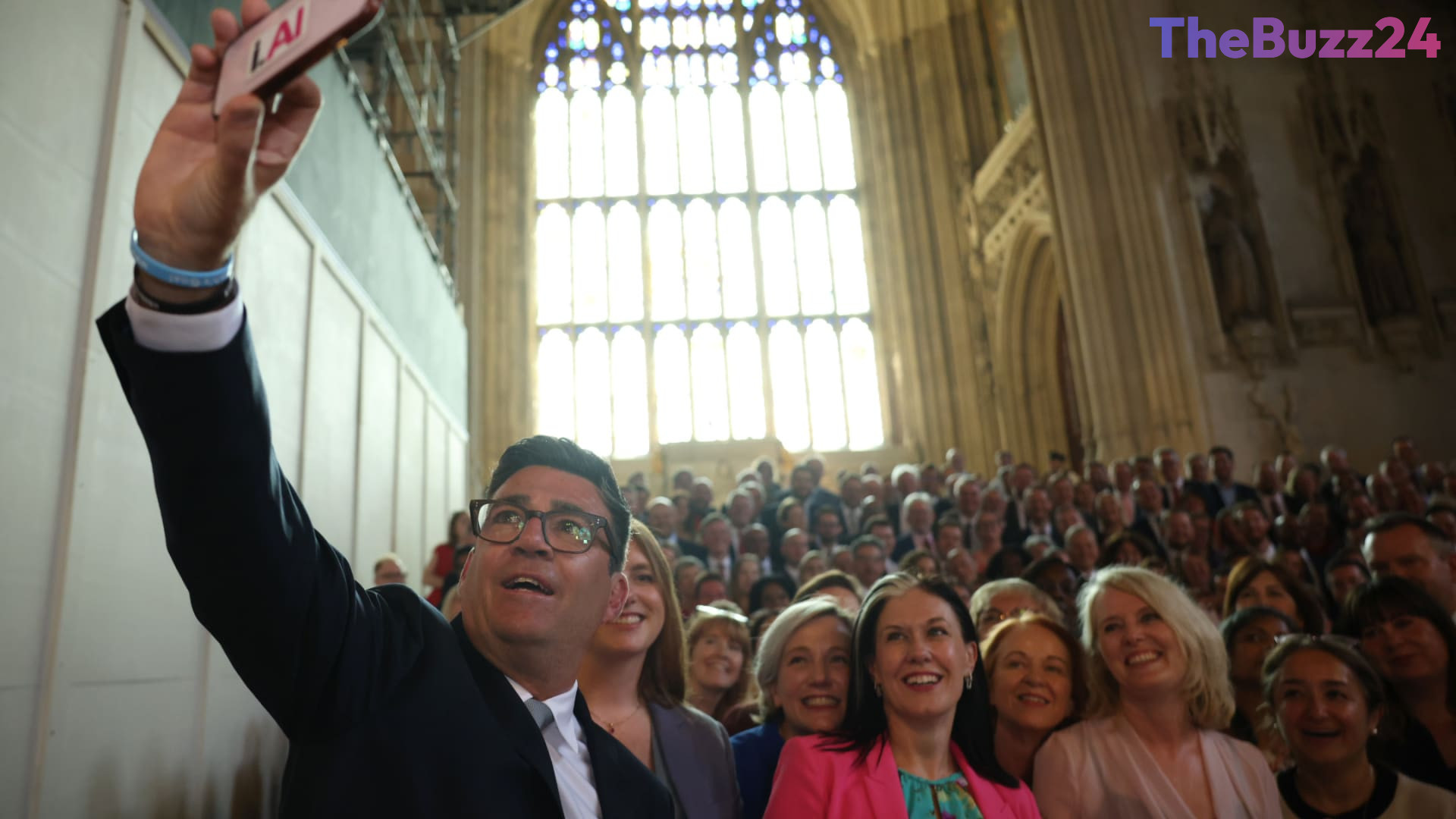
Greater Manchester Mayor Andy Burnham has emerged as the clear frontrunner to succeed Starmer. Having recently secured a seat in Parliament, Burnham’s path to leadership was further cleared after former Health Secretary Wes Streeting endorsed his candidacy, raising the possibility of an uncontested transition. Known as the “king of the north,” Burnham is perceived as being further to the left than Starmer. His past remarks questioning the influence of bond markets previously rattled investors, though he has since clarified his stance, emphasizing a pragmatic approach to fiscal management.
The transition has put the UK bond market on high alert. Yields on government bonds, known as gilts, are highly sensitive to any signs of increased public spending. Analysts suggest that the market’s immediate focus will shift to key cabinet appointments, particularly the role of Chancellor of the Exchequer. While current Chancellor Rachel Reeves represents stability, rumors of her replacement have turned attention toward potential candidates like Wes Streeting and former Labour leader Ed Miliband. Bond investors are hoping for a fiscally cautious Chancellor, while equity markets are looking for pro-business policies to ease operational costs.
Meanwhile, the British pound has remained relatively stable, as foreign exchange markets had largely priced in Starmer’s departure. However, a chaotic transition could still pressure sterling. Beyond political maneuvering, the UK economy faces structural headwinds, with the International Monetary Fund forecasting a meager 0.8% growth rate for 2026. The next prime minister will inherit a cash-strapped government, meaning any efforts to revitalize the economy must be balanced against severe fiscal constraints and monetary policy decisions from the Bank of England.
Key Takeaways
- UK Prime Minister Keir Starmer has resigned, initiating a leadership transition that is expected to conclude by September 1.
- Greater Manchester Mayor Andy Burnham is the leading candidate to succeed Starmer, drawing scrutiny from bond markets due to his left-leaning economic views.
- The British pound remains stable, but the incoming administration faces severe fiscal constraints and a sluggish economic growth forecast of 0.8% for 2026.
Editor’s Analysis & Impact
The resignation of Keir Starmer highlights the persistent political volatility that has characterized the UK over the last decade. For investors, the primary concern is not just who occupies 10 Downing Street, but who will control the Treasury. Andy Burnham’s potential ascension brings a more left-wing economic philosophy to the forefront, which could clash with the realities of a highly sensitive gilt market. The UK is locked in a tight fiscal bind; any attempt to aggressively spend out of stagnation risks triggering a bond sell-off reminiscent of past market crises. Consequently, the incoming Prime Minister will have very little room to maneuver. The choice of the next Chancellor will be the ultimate litmus test for market confidence, signaling whether the new government will prioritize fiscal discipline or riskier growth-oriented spending.
Frequently Asked Questions
Q: Why did Keir Starmer resign?
A: While the exact political catalysts behind his decision continue to unfold, his resignation sets off a leadership contest within the Labour Party to select the UK's next Prime Minister by September 1.
Q: How are financial markets reacting to Andy Burnham's candidacy?
A: Bond markets are watching closely due to Burnham's past comments on government spending and bond markets. However, foreign exchange markets have largely priced in the transition, keeping the British pound stable for now.
Q: What economic challenges will the new UK Prime Minister face?
A: The incoming leader inherits a cash-strapped administration, low economic growth forecasts (0.8% for 2026 according to the IMF), and the difficult task of balancing public spending demands against the constraints of the bond market.
AI Disclosure: This article is based on verified data and official reports. Our Team and AI have cross-referenced every financial detail with primary sources to ensure total accuracy.
More from this Category