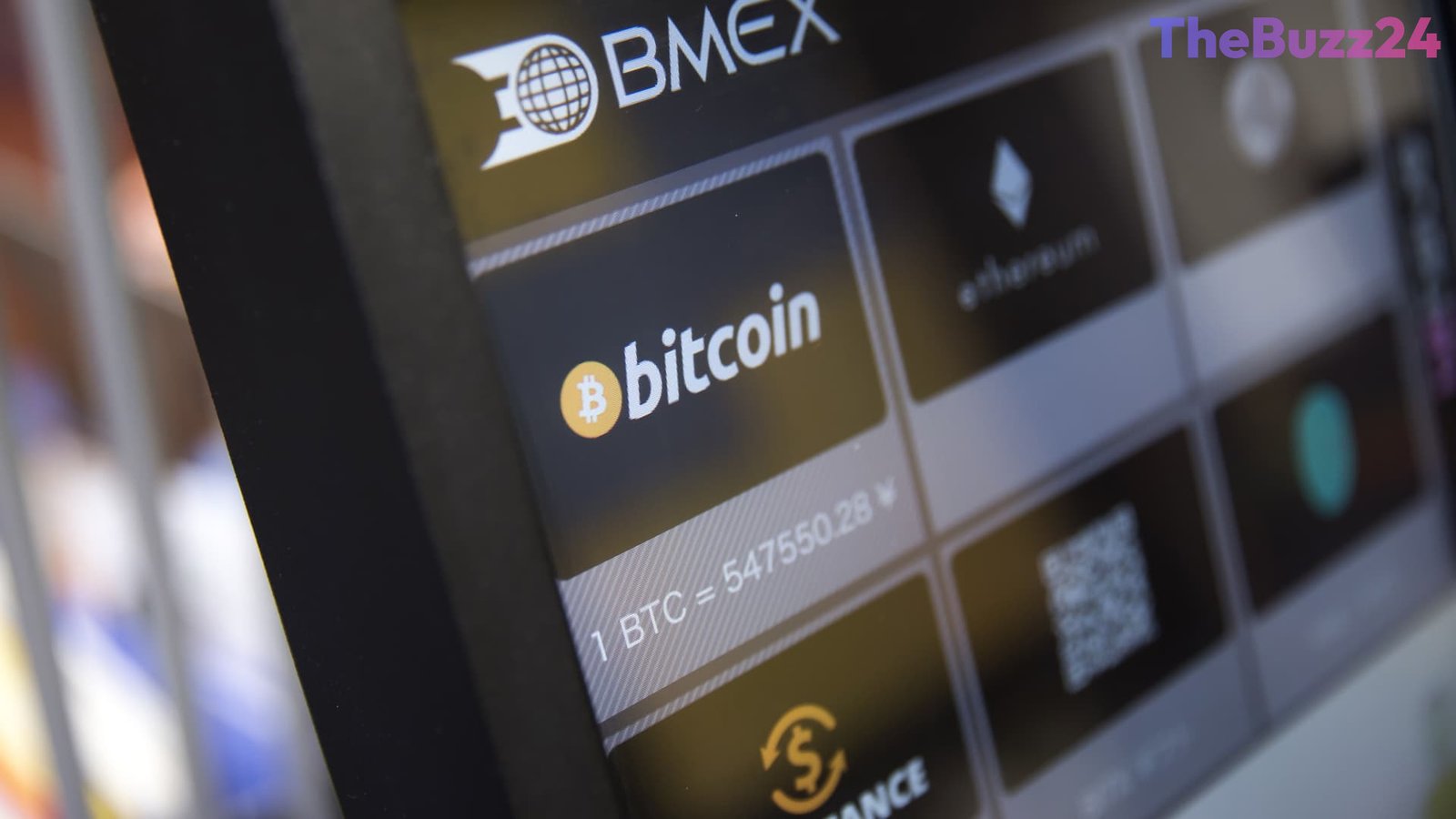
Fiscal Uncertainty Fuels Investor Interest in Bitcoin as a Hedge
Growing concerns regarding United States fiscal policy are prompting a shift in investor sentiment, with many turning toward alternative stores of value. According to BlackRock’s head of digital assets, Robbie Mitchnick, the rising national debt and persistent deficit levels are becoming primary focal points for market participants, creating a favorable environment for assets like bitcoin and gold.
As traditional financial markets grapple with the implications of long-term fiscal instability, bitcoin is increasingly being viewed as a hedge against currency debasement. This trend suggests that investors are prioritizing assets that operate independently of government-controlled monetary policy, seeking protection against the potential erosion of purchasing power caused by excessive government spending.
While legislative developments remain a point of interest for the broader cryptocurrency sector, the immediate impact of stalled regulatory efforts, such as the CLARITY Act, appears secondary to these macroeconomic drivers. For many institutional and retail investors, the fundamental appeal of bitcoin as a ‘digital gold’ is currently outweighing the uncertainty surrounding the regulatory landscape in Washington.
Key Takeaways
- Rising U.S. debt and deficit levels are driving investors toward alternative assets like bitcoin and gold.
- Bitcoin is increasingly being positioned as a hedge against macroeconomic instability and fiscal concerns.
- Macroeconomic factors are currently exerting more influence on bitcoin's market appeal than pending legislative or regulatory actions.
Editor’s Analysis & Impact
The shift in narrative surrounding bitcoin—from a speculative tech asset to a macroeconomic hedge—marks a significant maturation in its market profile. By aligning its value proposition with gold, bitcoin is successfully capturing the attention of institutional investors who are wary of long-term fiscal sustainability in major economies. This trend suggests that as global debt levels continue to climb, the demand for non-sovereign, scarce assets will likely intensify. The industry outlook remains bullish for assets that offer a perceived ‘safe haven’ status, provided that macroeconomic volatility persists. However, the sector must still navigate the eventual return of regulatory scrutiny, which, while currently sidelined by fiscal concerns, remains a critical long-term variable for mainstream adoption and integration into traditional financial portfolios.
Frequently Asked Questions
Q: Why are investors turning to bitcoin during times of fiscal uncertainty?
A: Investors view bitcoin as a store of value similar to gold, which can act as a hedge against inflation and the potential devaluation of fiat currencies caused by high national debt.
Q: Does the status of the CLARITY Act impact bitcoin's current market performance?
A: While regulatory clarity is important for the broader crypto industry, current market demand for bitcoin is being driven more by macroeconomic concerns regarding U.S. fiscal policy than by specific legislative progress.
AI Disclosure: This article is based on verified data and official reports. Our Team and AI have cross-referenced every financial detail with primary sources to ensure total accuracy.
More from this Category