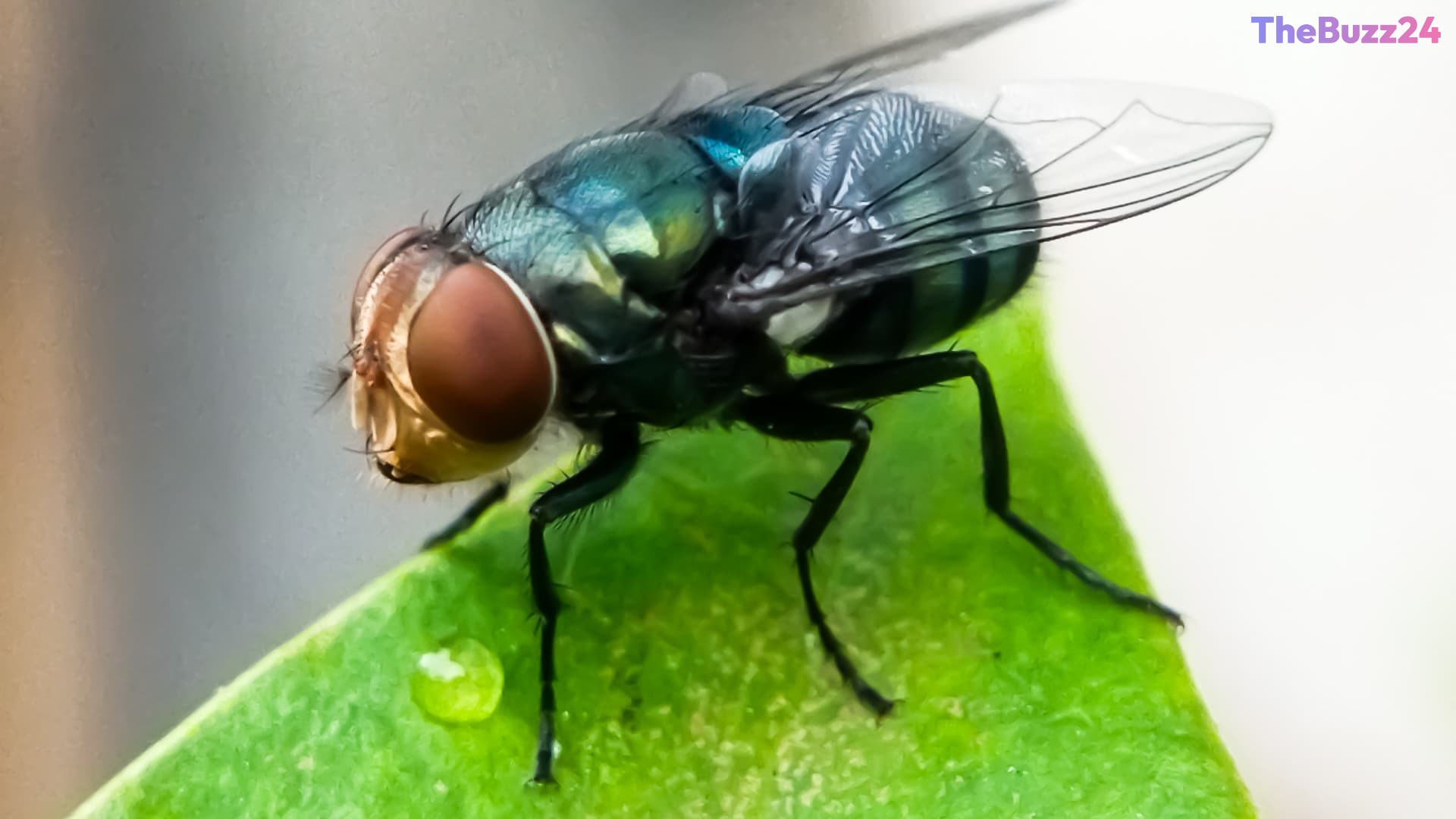
Flesh-Eating Screwworm Detected in Texas: Authorities Launch Eradication Effort
A case of the New World screwworm has been identified in Zavala County, Texas, marking a concerning development for the region’s agricultural sector. The parasite was discovered in a three-week-old calf, where larvae were found embedded in the animal’s umbilical area. This detection represents the first confirmed instance of the pest in the area, prompting an immediate and coordinated response from state and federal agricultural authorities.
In response to the discovery, officials have implemented strict containment protocols to prevent the spread of the infestation. These measures include the establishment of a 20-kilometer infested zone surrounding the site of the detection. Furthermore, authorities are enforcing rigorous movement controls, quarantines, and heightened surveillance throughout the affected region to ensure the pest does not migrate to other livestock populations.
The New World screwworm is a highly destructive parasite known for burrowing into the living flesh of mammals, which can lead to severe health complications for livestock and significant economic losses for farmers. While the United States has successfully eradicated this pest in the past, officials remain vigilant, emphasizing that the tools and strategies developed to combat rising cases in Central America and Mexico are being deployed to eliminate the threat once again.
Key Takeaways
- A case of New World screwworm was confirmed in a three-week-old calf in Zavala County, Texas.
- Authorities have established a 20-kilometer quarantine zone and are conducting active surveillance to contain the parasite.
- The New World screwworm is a dangerous pest that burrows into living tissue, posing a significant threat to livestock health and the agricultural economy.
Editor’s Analysis & Impact
The detection of the New World screwworm in Texas serves as a stark reminder of the persistent biosecurity threats facing the U.S. agricultural industry. Because this parasite can cause rapid, severe tissue damage in livestock, its presence carries significant economic implications, potentially impacting trade, animal welfare, and production costs. The swift response by federal and state agencies highlights the maturity of existing eradication protocols, which rely on established surveillance and quarantine frameworks. Moving forward, the industry will likely see intensified monitoring of livestock movement in the Southwest. While the U.S. has a historical precedent for successfully eliminating this pest, the incident underscores the necessity of maintaining robust international cooperation and border biosecurity to mitigate the risks posed by shifting environmental conditions and regional outbreaks in neighboring countries.
Frequently Asked Questions
Q: What is the New World screwworm?
A: The New World screwworm is a parasitic fly larva that feeds on the living tissue of warm-blooded animals, including livestock and occasionally humans, causing severe wounds and potential death if left untreated.
Q: What measures are being taken to stop the spread?
A: Authorities have set up a 20-kilometer infested zone, implemented strict animal movement controls, and are conducting intensive surveillance to identify and eradicate any further instances of the parasite.
AI Disclosure: This article is based on verified data and official reports. Our Team and AI have cross-referenced every financial detail with primary sources to ensure total accuracy.
More from this Category