From Contractor to Civil Servant: NASA Taps Quality Engineer Kristie Foster to Bolster Artemis Mission Support
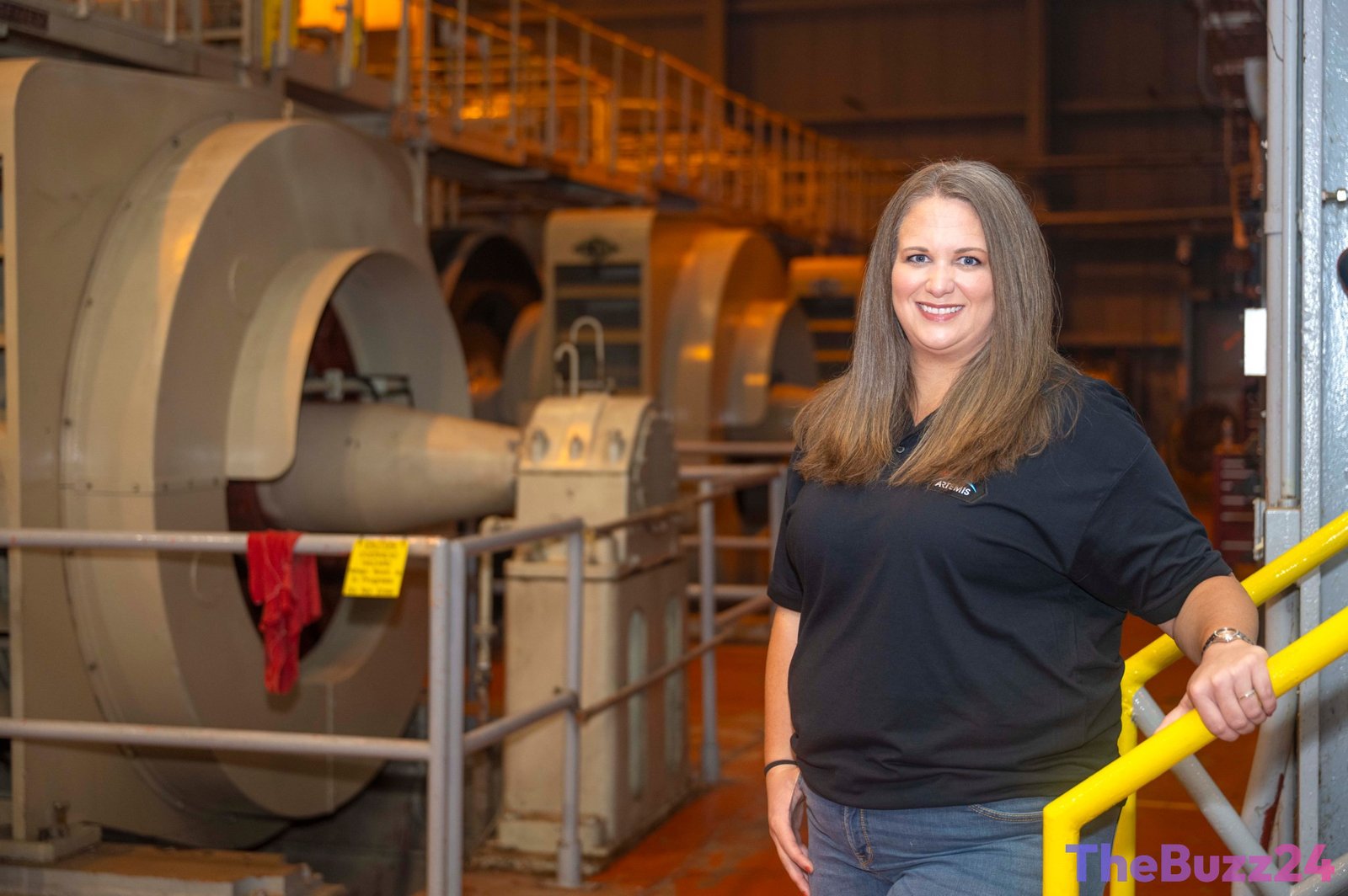
NASA has welcomed Kristie Foster, a seasoned quality engineer, into its civil service ranks at the Stennis Space Center in Mississippi. This strategic move, part of an agency-wide directive to reinforce technical expertise within its permanent workforce, aims to preserve critical institutional knowledge essential for the success of NASA’s ambitious lunar exploration goals.
Foster’s transition from a long-term contractor to a civil servant underscores NASA’s commitment to strengthening its core competencies. Her work at Stennis is directly contributing to the Artemis program, which seeks to return American astronauts to the Moon, establish a sustainable lunar presence, and maintain U.S. leadership in space exploration. This appointment is particularly meaningful for Foster, as it continues a family legacy, following her father’s retirement from NASA last year after two decades of service at the same facility.
As a quality engineer, Foster oversees quality assurance and engineering operations at one of the nation’s premier rocket propulsion testing sites. Her responsibilities span critical facilities like the High Pressure Gas Facility, which supplies essential gases through an extensive pipeline network, and the High Pressure Industrial Water Facility, utilizing a vast reservoir for cooling and sound suppression during tests. She is also involved in safety protocols for the Thad Cochran Test Stand, where Blue Origin plans to conduct hot fire tests for its New Glenn rocket’s second stage.
Foster’s dedication to safety and quality is paramount, ensuring that processes are meticulously reviewed from initial design through final execution. Her adaptable, mission-first approach is vital for advancing the Artemis missions, including Artemis III and IV, which are crucial steps toward returning humans to the lunar surface. Reflecting on the current era of space exploration, Foster expressed excitement, comparing it to the original space race and emphasizing the importance of persistence and passion in achieving ambitious goals.
Key Takeaways
- NASA has hired Kristie Foster as a civil servant at Stennis Space Center to strengthen its technical workforce.
- Foster's role as a quality engineer is crucial for supporting the Artemis program's lunar exploration objectives.
- Her transition continues a family legacy and highlights NASA's focus on retaining institutional knowledge.
Editor’s Analysis & Impact
Kristie Foster’s appointment as a NASA civil servant signifies a broader trend within the agency to solidify its in-house technical capabilities. By converting experienced contractors, NASA aims to mitigate knowledge loss and ensure continuity in critical programs like Artemis. This strategic hiring addresses the need for specialized skills in areas such as rocket propulsion testing and quality assurance, which are fundamental to achieving complex space exploration milestones. The focus on retaining institutional knowledge is vital for long-term success, especially as NASA navigates the intricate phases of lunar missions and prepares for future deep-space endeavors. This move is likely to be replicated across other key NASA centers and technical disciplines.
Frequently Asked Questions
Q: What is the significance of Kristie Foster's role at NASA Stennis?
A: Kristie Foster's role as a quality engineer is vital for ensuring the safety and success of rocket propulsion testing at NASA's Stennis Space Center. Her work directly supports the Artemis program's mission to return humans to the Moon.
Q: Why is NASA converting contractors to civil servants?
A: NASA is converting contractors to civil servants as part of a directive to strengthen its core technical competencies and retain critical institutional knowledge within the agency's permanent workforce. This helps ensure continuity and expertise for long-term projects like the Artemis missions.
Q: What is the Artemis program?
A: The Artemis program is NASA's initiative to return astronauts to the Moon, establish a sustainable lunar presence, and prepare for future missions to Mars. It involves developing new technologies, spacecraft, and landing systems.
AI Disclosure: This article is based on verified data and official reports. Our Team and AI have cross-referenced every financial detail with primary sources to ensure total accuracy.
More from this Category