From Rations to Free Transit: Nations Implement Diverse Strategies Amidst Global Fuel Crisis
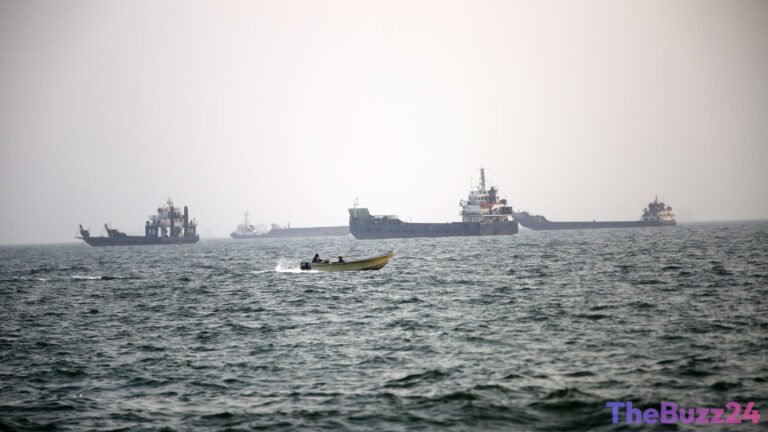
A significant global energy crisis has prompted governments worldwide to enact a broad spectrum of measures aimed at mitigating the impact of soaring fuel costs on consumers and national economies. This unprecedented disruption, which the International Energy Agency (IEA) has characterized as the “largest supply disruption in history,” stems from geopolitical tensions affecting critical shipping lanes, particularly the Strait of Hormuz, a conduit for roughly 20% of the world’s oil and natural gas.
In response, countries across continents have rolled out varied strategies. In Asia, China, the world’s largest oil buyer, has leveraged its substantial strategic oil reserves and reportedly halted fuel exports to stabilize domestic prices, while India has secured crude supplies for 60 days and significantly cut petrol and diesel excises. Southeast Asian nations like the Philippines declared a national emergency, offering transport subsidies and implementing four-day work weeks, while Sri Lanka introduced fuel rationing and designated Wednesdays as a public holiday for government institutions to conserve energy. Thailand encouraged citizens to remove jackets and set air conditioning to higher temperatures, and Vietnam temporarily removed environmental protection taxes on fuel.
European and Oceanic nations have also responded decisively. Ireland unveiled a €505 million support package, including reductions in fuel excise duties and a postponed carbon tax increase. Slovenia became the first EU member state to implement fuel rationing, limiting private motorists to 50 liters per day. In Australia, states like Victoria and Tasmania made public transport free for several months to incentivize reduced driving. Meanwhile, African nations such as Egypt introduced temporary measures like early closing times for shops and restaurants, dimmed street lighting, and mandated remote work for non-essential employees, alongside raising petrol prices and public transport fares. Ethiopia prioritized fuel for essential services and public transport, and South Sudan rationed electricity in its capital, Juba.
These diverse national responses underscore the widespread economic and social challenges posed by the current energy landscape. From direct financial relief and demand management to strict rationing and behavioral changes, governments are employing every available tool to navigate the crisis, highlighting the global interconnectedness of energy markets and the urgent need for sustainable solutions.
Key Takeaways
- The global energy market faces unprecedented disruption, primarily due to geopolitical tensions impacting critical shipping lanes like the Strait of Hormuz, leading to soaring fuel costs worldwide.
- Governments worldwide are implementing a wide array of measures, from direct subsidies and tax cuts to fuel rationing, public transport incentives, and energy conservation mandates, to cushion the economic impact on citizens.
- The diverse national responses highlight the varying economic structures and policy tools available to countries in managing a severe energy supply shock, reflecting a global effort to stabilize economies and daily life.
Editor’s Analysis & Impact
The ongoing global energy crisis, exacerbated by geopolitical tensions, is creating significant volatility across oil and gas markets. Industries heavily reliant on fuel, such as aviation, logistics, and manufacturing, are experiencing increased operational costs, which are likely to translate into higher consumer prices and contribute to inflationary pressures globally. The future outlook remains uncertain, heavily dependent on the resolution of geopolitical conflicts and the stability of global supply chains. In the short to medium term, businesses and consumers will likely continue to face elevated energy costs, potentially accelerating the transition towards renewable energy sources and driving innovation in energy efficiency. This crisis underscores the critical vulnerability of global economies to supply shocks, prompting a re-evaluation of strategic energy reserves and potentially leading to shifts in international trade dynamics.
Frequently Asked Questions
Q: What is the Strait of Hormuz and why is it important to global energy markets?
A: The Strait of Hormuz is a narrow waterway connecting the Persian Gulf with the Arabian Sea. It is a critical chokepoint through which approximately 20% of the world's oil and natural gas supplies pass, making any disruption to its flow a major global energy concern with far-reaching economic implications.
Q: What types of measures are governments implementing to address rising fuel prices?
A: Governments are deploying a diverse range of strategies, including direct fuel subsidies, reductions in excise duties and taxes, incentives for public transport (such as free fares), fuel rationing, energy conservation mandates (e.g., adjusting air conditioning temperatures, dimming lights), and encouraging remote work to reduce commuting.
Q: How does the current energy crisis compare to past disruptions?
A: The International Energy Agency (IEA) has described the current situation as the 'largest supply disruption in history,' indicating its severe and widespread impact on global energy markets and national economies, surpassing previous crises in its scope and complexity.
AI Disclosure: This article is based on verified data and official reports. Our Team and AI have cross-referenced every financial detail with primary sources to ensure total accuracy.
More from this Category