Wellington Under State of Emergency Following Catastrophic Flash Flooding
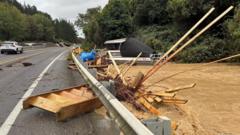
Wellington has officially declared a state of emergency as the capital city grapples with the aftermath of a severe weather event that brought unprecedented rainfall. On Monday, the region recorded 77mm of rain in less than 60 minutes, a deluge that overwhelmed drainage systems and triggered widespread flash flooding and dangerous landslides. The sudden influx of water caused significant structural damage, leaving vehicles submerged and uprooting trees throughout the metropolitan area.
Emergency services are currently engaged in search and rescue operations, with officials confirming that at least a dozen residents have been evacuated from their homes. A major concern remains for a 60-year-old man who has been reported missing in the Karori suburb. Mayor Andrew Little characterized the situation as critical, highlighting the sheer force of the water, which was powerful enough to displace heavy vehicles and dislodge manhole covers, turning residential streets into hazardous waterways.
The impact on city infrastructure has been severe, resulting in the closure of multiple schools and the cancellation of numerous flights at Wellington Airport. Authorities have issued a stern warning for citizens to avoid all non-essential travel, while Minister for Emergency Management and Recovery Mark Mitchell has advised those in flood-prone zones to seek higher ground immediately. This disaster arrives shortly after the North Island was battered by Cyclone Vaianu, placing immense strain on local recovery resources and raising concerns about the region’s vulnerability to increasingly frequent extreme weather patterns.
Key Takeaways
- Wellington declared a state of emergency after receiving 77mm of rain in under an hour.
- The flooding has caused widespread infrastructure damage, including road closures, school shutdowns, and flight cancellations.
- Search and rescue efforts are underway for a missing 60-year-old man in the Karori suburb.
Editor’s Analysis & Impact
The catastrophic flooding in Wellington serves as a stark reminder of the escalating risks posed by extreme weather events to urban infrastructure. The intensity of this rainfall, occurring so soon after Cyclone Vaianu, suggests that the region’s recovery capacity is being pushed to its limits. From a market and economic perspective, the recurring nature of these disasters necessitates a significant shift in urban planning and disaster mitigation investment. Insurance premiums and public spending on resilient infrastructure are likely to see upward pressure as the city attempts to adapt to a changing climate. The broader implication is that coastal and hilly urban centers must prioritize long-term climate adaptation strategies, as the frequency of such ‘unprecedented’ events continues to challenge existing emergency management frameworks and economic stability.
Frequently Asked Questions
Q: Why was a state of emergency declared in Wellington?
A: The state of emergency was declared due to extreme flash flooding and landslides caused by 77mm of rainfall in under an hour, which resulted in significant infrastructure damage and public safety risks.
Q: What should residents in Wellington do during this weather event?
A: Authorities advise residents to avoid all non-essential travel and urge those in low-lying or flood-prone areas to relocate to safer ground immediately.
AI Disclosure: This article is based on verified data and official reports. Our Team and AI have cross-referenced every financial detail with primary sources to ensure total accuracy.
More from this Category