Energy Crisis Deepens: Why Fuel Costs Are Poised to Hit Record Highs
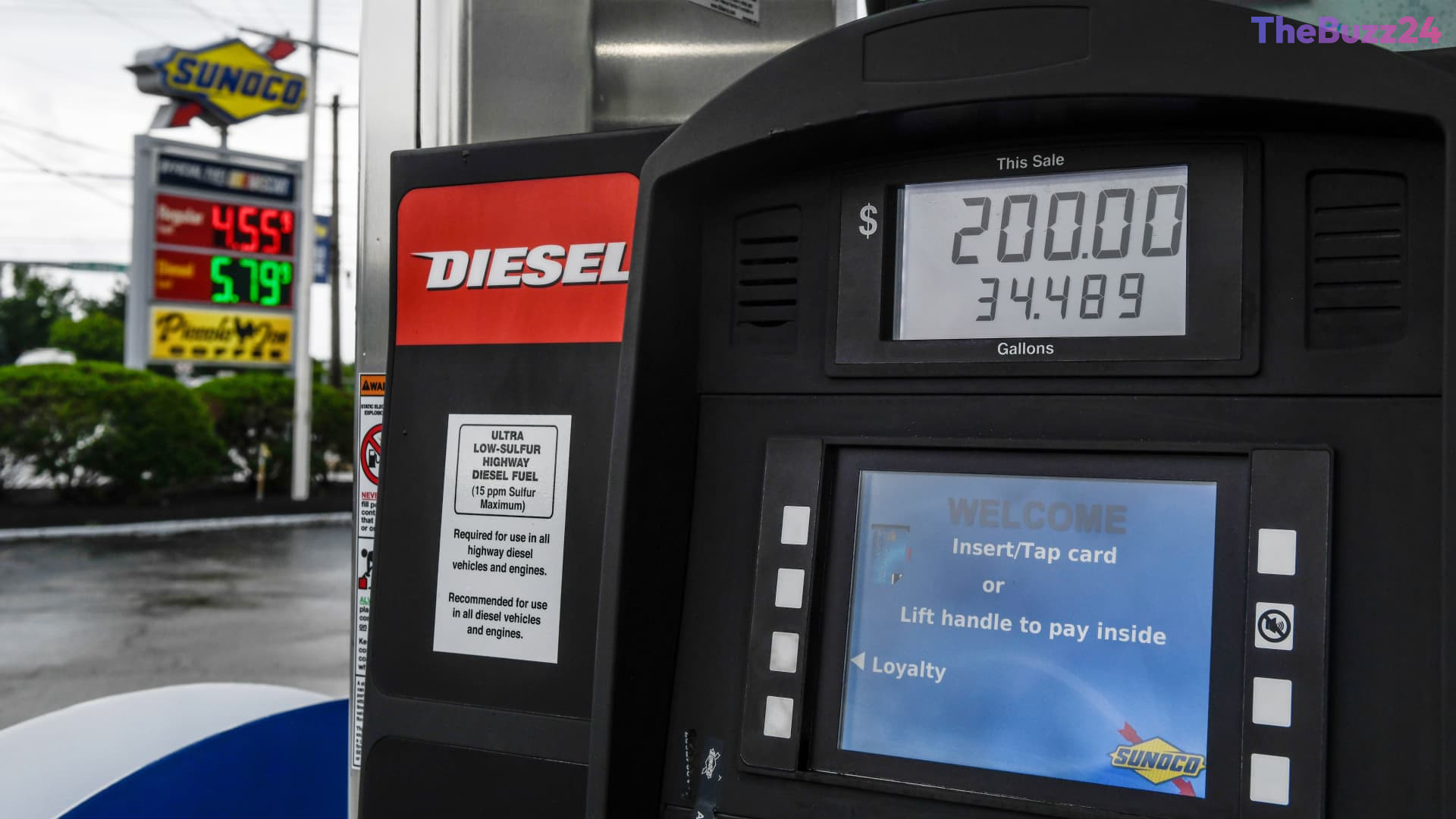
Drivers across the United States are confronting a severe financial strain as gasoline prices climb to their highest levels in nearly four years. With the national average reaching $4.55 per gallon, consumers have seen a staggering 50% increase in costs since late February. Experts warn that if the ongoing geopolitical instability surrounding the Strait of Hormuz is not addressed, the national average could surpass the $5 per gallon mark as early as June.
The Strait of Hormuz serves as a critical artery for global oil transit, and its current blockade has triggered a 40% surge in crude oil prices due to massive supply chain disruptions. While diplomatic efforts are underway to resolve the conflict, the energy sector remains in a state of extreme volatility. Market analysts caution that even if the maritime chokepoint were to reopen immediately, the process of stabilizing global oil markets will be gradual, with some forecasts suggesting a recovery period lasting until 2027.
Domestic fuel prices are being further exacerbated by intense international competition. As nations in Europe and Asia seek alternative energy sources to replace lost Middle Eastern supplies, they are increasingly relying on U.S. exports. This surge in foreign demand for American refined products is tightening domestic supply and driving prices higher. Despite the release of strategic reserves and consistent domestic production, the current global energy landscape indicates that elevated fuel costs are likely to remain a persistent economic challenge for the foreseeable future.
Key Takeaways
- Gasoline prices have risen by 50% since February, reaching a national average of $4.55 per gallon.
- The blockade of the Strait of Hormuz has caused a 40% spike in crude oil prices, disrupting global supply chains.
- High international demand for U.S. fuel exports is further straining domestic supply and contributing to sustained price inflation.
Editor’s Analysis & Impact
The current energy crisis highlights the profound vulnerability of global supply chains to geopolitical friction in the Middle East. The Strait of Hormuz remains a singular point of failure for global oil distribution, underscoring the world’s continued dependence on specific maritime chokepoints. From a market perspective, the pivot toward U.S. exports creates a complex dilemma: while domestic producers capitalize on higher export volumes, the American consumer faces significant inflationary pressure. Looking forward, this volatility will likely accelerate the global push for energy independence and the diversification of supply routes. Until structural changes in global energy logistics are implemented, the market should anticipate a prolonged period of price instability, which will continue to impact the broader transportation and logistics sectors.
Frequently Asked Questions
Q: Why are gas prices rising so sharply?
A: The primary driver is the blockade of the Strait of Hormuz, which has severely restricted the flow of global oil, leading to a 40% spike in crude oil prices.
Q: How long are these high prices expected to last?
A: Experts suggest that even if the shipping route reopens soon, the path to price normalization could be lengthy, potentially extending well into 2027.
AI Disclosure: This article is based on verified data and official reports. Our Team and AI have cross-referenced every financial detail with primary sources to ensure total accuracy.
More from this Category