Geopolitical Shift: US-South Korea Military Drills Slashed Amid Trump’s Push for North Korea Summit
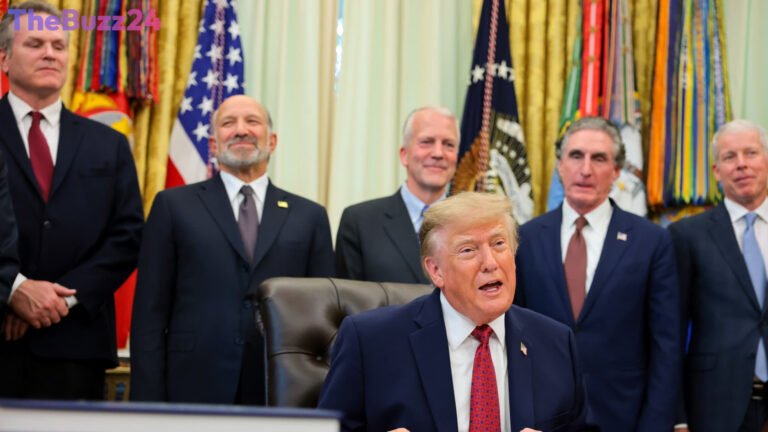
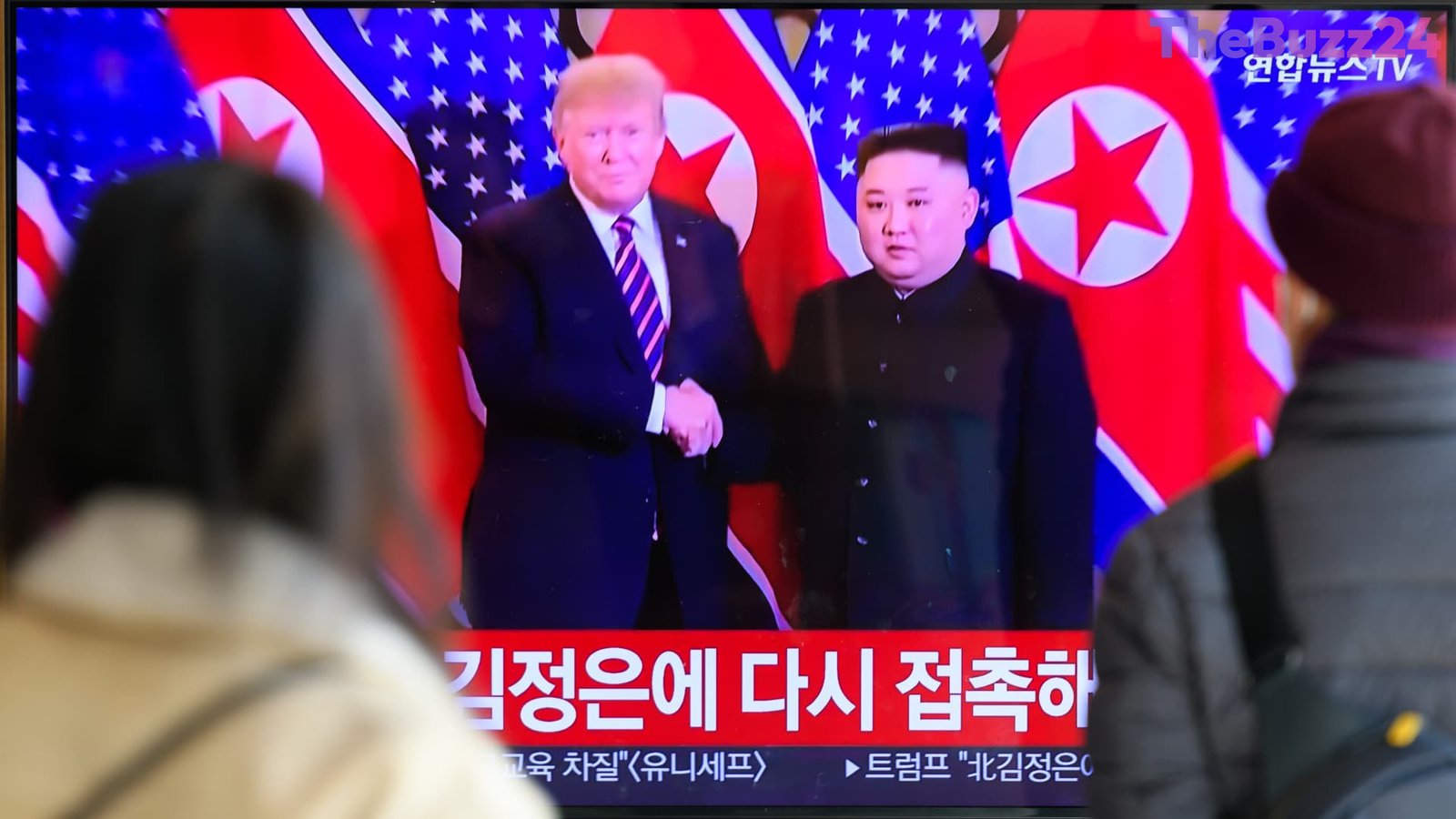
In a significant shift in East Asian security dynamics, the United States and South Korea have agreed to drastically scale back their annual joint military exercises. At the request of Washington, the upcoming Ulchi Freedom Shield drills will be shortened by approximately half, now scheduled to run from August 17 to August 21 instead of concluding on its original date of August 27. This sudden reduction, ordered directly by President Donald Trump, comes alongside reports that the U.S. administration is actively seeking to arrange a high-profile summit with North Korean leader Kim Jong Un as early as this autumn.
The decision to truncate the exercises also includes scaling back several combined field training programs, the specifics of which remain under negotiation between military officials from both nations. The original plans for this year’s command-post exercise involved around 18,000 South Korean troops and 14 distinct field-training programs. Meanwhile, diplomatic channels are reportedly buzzing with efforts to coordinate an in-person meeting between Trump and Kim, potentially timed around Trump’s scheduled trip to Asia in November for the Asia-Pacific Economic Cooperation (APEC) summit in Shenzhen, China. This would mark a return to the personal diplomacy seen during their landmark 2018 meeting in Singapore.
This sudden pivot has sent ripples through the long-standing, 70-year alliance between Washington and Seoul. The partnership has already faced strain in recent years due to ongoing debates over the transfer of wartime operational control and differing foreign policy priorities, such as Seoul’s stance on Middle Eastern security initiatives. By substantially reducing the U.S. military footprint and training commitments in the region, the administration is signaling a potential realignment of American strategic priorities.
Security analysts suggest that a prolonged reduction in U.S. military involvement could prompt South Korea and other regional allies, such as Japan and Australia, to accelerate their own defense capabilities. While some view this as a weakening of traditional deterrence, others argue that fostering defense autonomy among allies could lead to greater regional self-sufficiency. For the United States, a lighter military footprint in Asia could reduce the risk of direct conflict with major regional powers like China, while freeing up resources for domestic priorities.
Key Takeaways
- The U.S. and South Korea are halving the duration of their annual Ulchi Freedom Shield joint military exercises at Washington's request.
- President Donald Trump is reportedly seeking a face-to-face summit with North Korean leader Kim Jong Un, potentially in November during the APEC summit in China.
- The reduction in joint drills is accelerating a shift toward defense autonomy among U.S. allies in the Asia-Pacific region, including South Korea, Japan, and Australia.
Editor’s Analysis & Impact
The decision to scale back joint military exercises represents a calculated gamble by the Trump administration, prioritizing personal diplomacy over traditional military deterrence. By reducing the U.S. military footprint, Washington aims to create diplomatic leverage and goodwill ahead of a potential summit with Kim Jong Un. However, this move risks alienating South Korea and undermining the credibility of the U.S. security umbrella in East Asia. In the long term, this policy is likely to accelerate a trend toward regional self-reliance. Allies like South Korea and Japan are already boosting their defense budgets and deepening multilateral security cooperation independent of the U.S. While this transition reduces the direct financial and military burden on the United States, it also signals a transition toward a multipolar security architecture in the Indo-Pacific, where Washington’s historic hegemony is increasingly shared or contested.
Frequently Asked Questions
Q: Why are the U.S. and South Korea cutting their joint military exercises?
A: The exercises are being reduced by about half at the request of the U.S. government, following orders from President Donald Trump to scale back the drills as he seeks to revive diplomatic talks and arrange a summit with North Korean leader Kim Jong Un.
Q: When and where is the proposed summit between Trump and Kim Jong Un expected to take place?
A: While plans are not yet finalized, reports indicate that President Trump is pushing for a meeting as early as this autumn, potentially in November during his trip to Asia for the APEC summit in Shenzhen, China.
Q: How might this decision affect South Korea's defense strategy?
A: The reduction in U.S. military involvement is expected to encourage South Korea to bolster its own defense capabilities, increase military spending, and foster deeper security partnerships with other regional allies like Japan and Australia to achieve greater defense autonomy.
AI Disclosure: This article is based on verified data and official reports. Our Team and AI have cross-referenced every financial detail with primary sources to ensure total accuracy.
More from this Category