Trump Demands South Korea Commit to $50 Billion Alaska LNG Deal or Face Higher Costs
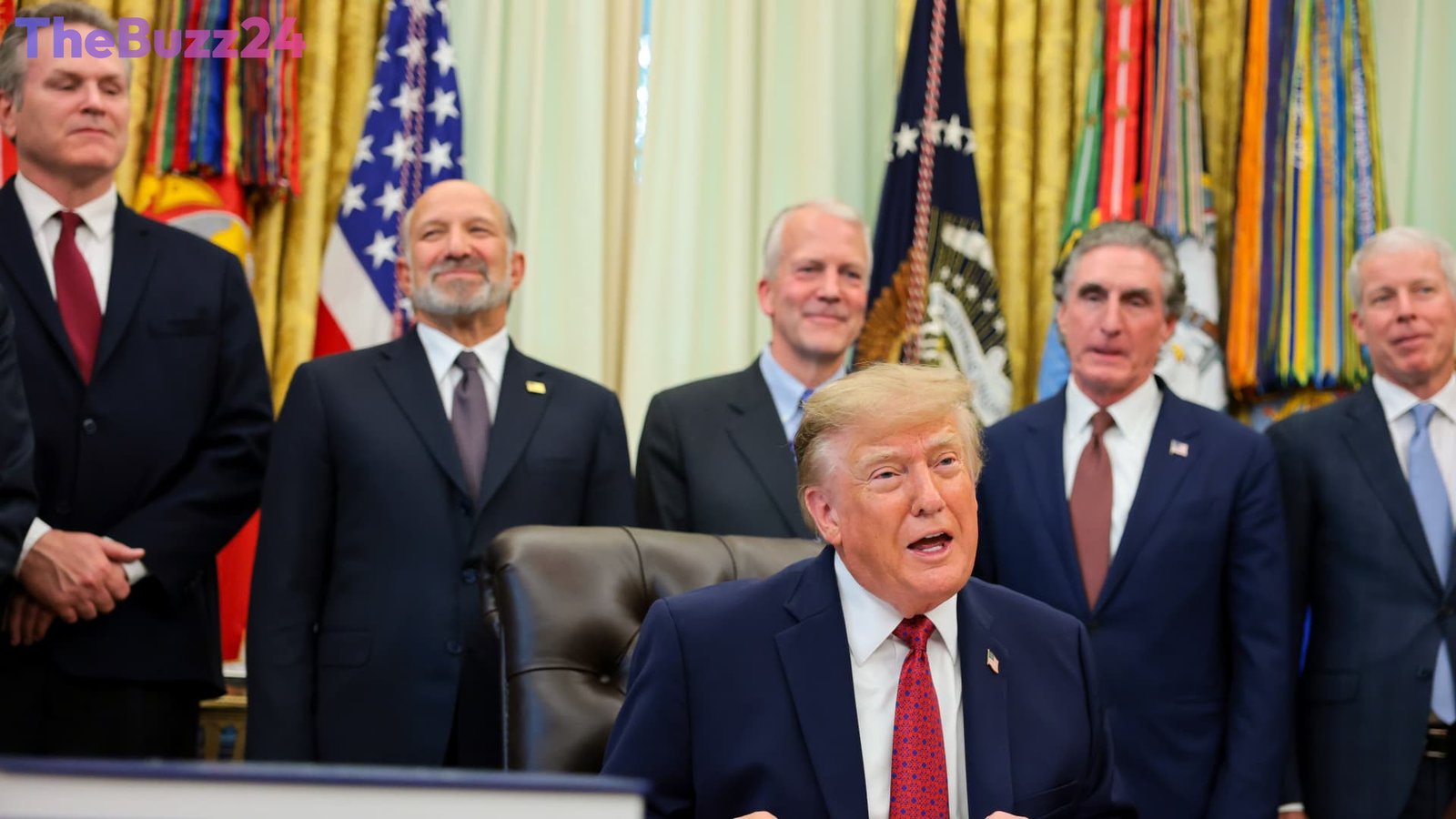
President Donald Trump has issued a strong ultimatum to South Korea regarding its potential involvement in the $50 billion Alaska LNG project, warning that failure to sign on soon could result in significantly increased costs. Trump stated that if Seoul does not commit to the deal, he would “charge them more” or potentially “double it up,” though he did not specify what exact charges would be doubled.
This declaration comes amidst a notable divergence between U.S. and South Korean positions on energy and infrastructure investments. South Korea has indicated that its participation in the Alaska LNG project is contingent upon a thorough assessment of its commercial viability and adherence to domestic legal frameworks. The country’s industry ministry has been actively evaluating the project and has reportedly sought clarification from U.S. officials through trade channels regarding the specifics of the proposed investments.
Adding to the complexity, President Trump also announced an $8.4 billion enhanced oil recovery project involving South Korea. However, South Korean local media, citing the nation’s industry ministry, reported that this oil recovery initiative was not part of the finalized agreements between the two nations. This discrepancy highlights ongoing challenges in aligning the investment plans and public announcements between the two governments.
Trump, however, defended his announcements, asserting that he had not “jumped the gun” on revealing South Korea’s involvement. He reiterated his stance on the LNG deal, emphasizing that while South Korea’s participation is welcome, the terms could become less favorable if a swift commitment is not made. The situation underscores the delicate balance of international trade negotiations and the potential for public statements to influence complex, multi-billion dollar projects.
Key Takeaways
- President Trump has pressured South Korea to finalize a $50 billion Alaska LNG deal, threatening increased costs if they delay.
- South Korea is still assessing the commercial viability and legal compliance of the Alaska LNG project.
- A separate $8.4 billion oil recovery project announced by Trump was reportedly not part of the finalized agreements according to South Korean officials.
Editor’s Analysis & Impact
President Trump’s assertive stance on the Alaska LNG project signals a potentially more transactional approach to international energy deals. The discrepancy between U.S. announcements and South Korean assessments highlights the challenges in navigating complex, multi-billion dollar infrastructure agreements, especially when public pronouncements precede finalized negotiations. This situation could impact future energy trade relations, potentially leading to increased scrutiny of investment proposals and a greater emphasis on clear, bilateral consensus before public disclosure. The market will be watching to see if this approach sets a precedent for future U.S. energy diplomacy.
Frequently Asked Questions
Q: What is the Alaska LNG project?
A: The Alaska LNG project is a proposed multi-billion dollar initiative aimed at developing liquefied natural gas (LNG) resources in Alaska for export. It involves significant infrastructure development, including pipelines and liquefaction facilities.
Q: Why is South Korea assessing the project?
A: South Korea is assessing the project to determine its commercial viability, ensuring it aligns with their energy needs and economic interests, and to confirm compliance with their domestic legal and regulatory procedures before committing to participation.
Q: What is enhanced oil recovery?
A: Enhanced oil recovery (EOR) refers to techniques used to increase the amount of crude oil extracted from a petroleum reservoir. This often involves injecting substances like carbon dioxide or water into the reservoir to maintain pressure or improve oil flow.
AI Disclosure: This article is based on verified data and official reports. Our Team and AI have cross-referenced every financial detail with primary sources to ensure total accuracy.
More from this Category