Geopolitical Tension Hits the Pitch: Iran Protests Strict U.S. Travel Rules to FIFA
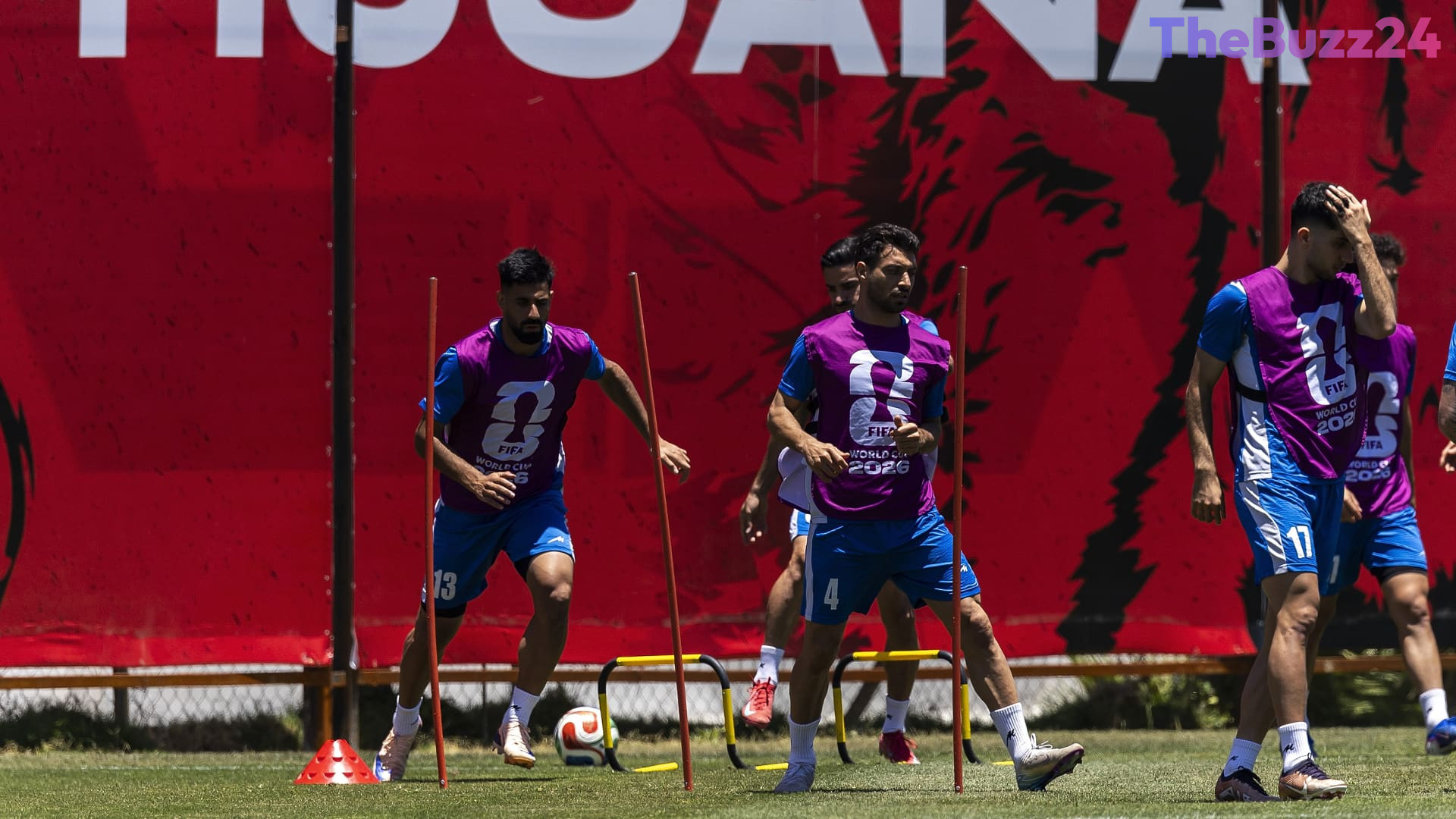
The Iranian Football Federation has officially lodged a complaint with FIFA, soccer’s global governing body, protesting stringent travel restrictions imposed by United States authorities during the ongoing World Cup. Due to diplomatic tensions and visa uncertainties, the Iranian national team is currently based in co-host nation Mexico, forcing them to commute across the border for their group-stage matches scheduled in the U.S.
Under current U.S. guidelines, the Iranian squad is permitted to enter the country only 24 hours prior to a match and must depart immediately after the game concludes. Iranian head coach Amir Ghalenoei expressed deep frustration over the logistics, labeling his squad the “most oppressed” in the tournament. The federation argues that these tight windows disrupt optimal physical recovery and technical preparation, violating FIFA’s core principle of ensuring equal competitive conditions for all participating nations.
In response to the growing friction, Andrew Giuliani, director of the White House World Cup Task Force, indicated a willingness to renegotiate the entry terms to ensure fair play while maintaining national security. Meanwhile, the U.S. Department of Homeland Security defended the measures as necessary safety precautions, confirming that the team must arrive on “match day minus one” and exit the same night. Iran, which recently drew 2-2 against New Zealand, faces upcoming Group G matches against Belgium in Los Angeles and Egypt in Seattle.
Key Takeaways
- Iran's football federation has filed a formal complaint with FIFA over restrictive U.S. travel policies that require the team to enter and exit the country within a tight 24-hour window around matches.
- The Iranian team is forced to base themselves in Mexico and commute to the U.S. for games, which coach Amir Ghalenoei claims severely impacts their physical recovery and preparation.
- While U.S. homeland security officials defend the restrictions as vital safety measures, White House representatives have expressed openness to renegotiating the terms to preserve competitive fairness.
Editor’s Analysis & Impact
This dispute highlights the inevitable intersection of global politics and international sports. Hosting a major tournament like the World Cup across multiple North American nations was designed to showcase unity, but long-standing geopolitical friction between the U.S. and Iran has instead exposed logistical and diplomatic vulnerabilities. By forcing the Iranian team to commute from Mexico under strict 24-hour visa windows, the U.S. risks facing accusations of compromising competitive integrity. FIFA finds itself in a delicate position, needing to balance host-country sovereignty and security protocols with its mandate to provide a level playing field. If the White House does not ease these restrictions, it could set a damaging precedent for future co-hosted international sporting events, where political alignments might dictate athletic preparation and performance.
Frequently Asked Questions
Q: Why is the Iranian soccer team staying in Mexico instead of the United States?
A: Due to diplomatic tensions and visa uncertainties with the U.S. government, the Iranian team established their tournament base camp in co-host nation Mexico, requiring them to travel to the U.S. solely for their scheduled matches.
Q: What are the specific travel restrictions Iran is protesting?
A: U.S. authorities require the Iranian team to enter the country no earlier than 24 hours before a match (match day minus one) and depart immediately on the night the match concludes, which Iran argues disrupts their physical recovery.
Q: Is the U.S. open to changing these travel rules for the team?
A: Yes, representatives from the White House World Cup Task Force have indicated they are open to discussing and potentially renegotiating the terms to ensure fair play, provided security standards are maintained.
AI Disclosure: This article is based on verified data and official reports. Our Team and AI have cross-referenced every financial detail with primary sources to ensure total accuracy.
More from this Category