German Officials Warn of State-Sponsored Spyware Targeting Lawmakers’ iPhones
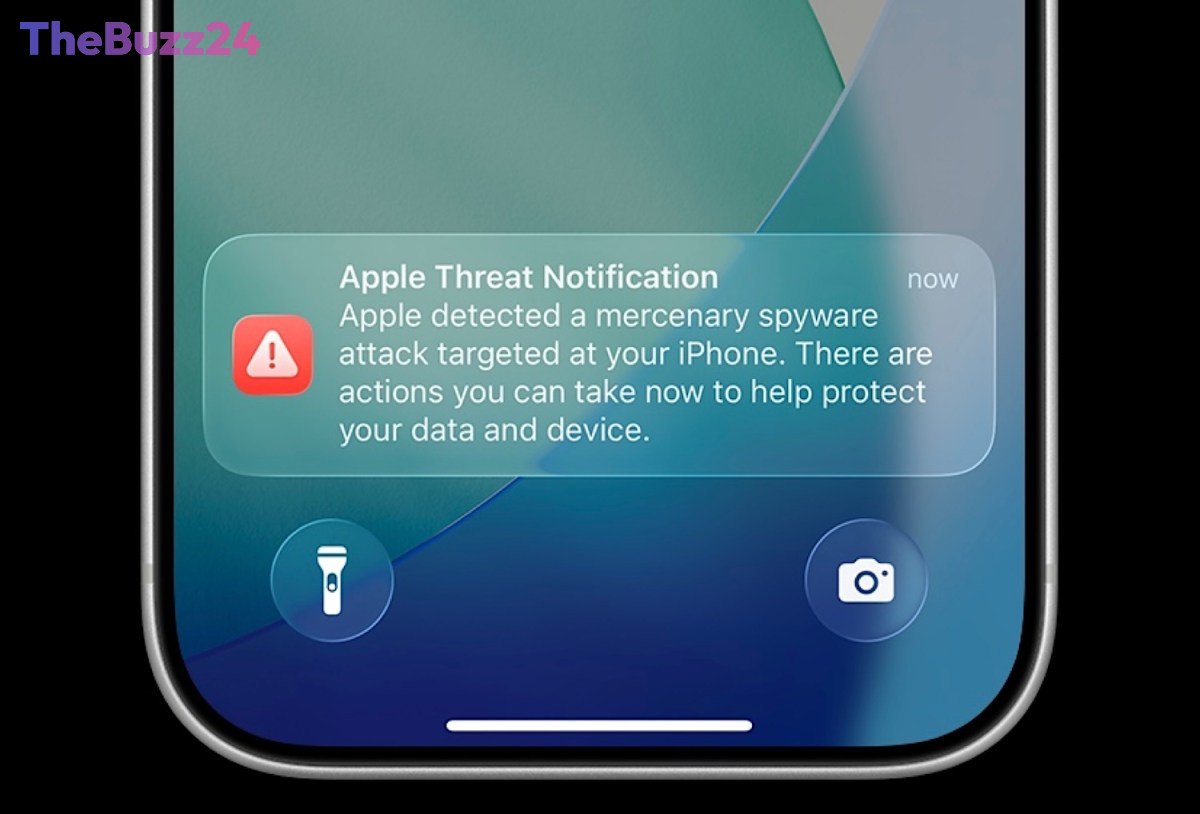
German authorities have issued a stern warning to politicians and prominent public figures, alerting them to potential targeting by state-backed spyware. This advisory comes in the wake of Apple initiating its own notifications to users believed to have been compromised by sophisticated cyberattacks.
The Federal Office for Information Security (BSI), Germany’s national cybersecurity agency, confirmed over the weekend that members of the Bundestag, the nation’s parliament, and other notable individuals had received alerts from Apple indicating possible cyber intrusion. A government spokesperson stated that the incident is being taken “very seriously,” though details regarding specific individuals within the federal government, including whether Chancellor Friedrich Merz was a target, remain undisclosed.
Apple’s threat notifications are typically sent to users suspected of being targeted by spyware, a type of malicious software capable of extracting sensitive data such as messages and location information. These attacks often leverage “zero-click” exploits, making them particularly insidious as they require no user interaction, such as clicking a link or opening a file, to compromise a device. While Apple does not officially attribute these attacks to specific state actors or confirm actual device compromise, the BSI advises that recipients of such notifications should “assume that their device may have been compromised.”
The scope of these alerts extends beyond Germany, with users in 99 countries reportedly receiving similar warnings. One filmmaker, Radwan Mortada, shared on social media that he received a new threat notification, following a previous spyware incident in 2021. The identity of the perpetrators and the specific governments behind this latest wave of attacks remain unclear, underscoring the persistent challenges posed by mercenary spyware, often acquired by governments from private vendors like Israel’s NSO Group, known for its Pegasus spyware.
Key Takeaways
- German government officials and public figures have been warned about potential targeting by state-sponsored spyware.
- Apple has begun sending threat notifications to users, including German lawmakers, whose iPhones may have been compromised.
- The attacks likely utilize sophisticated 'zero-click' exploits, and the perpetrators remain unidentified, highlighting the global threat of mercenary spyware.
Editor’s Analysis & Impact
This incident underscores the escalating threat of sophisticated spyware, often developed by private entities and acquired by state actors, targeting high-profile individuals. The use of zero-click exploits makes detection and defense exceptionally challenging, posing a significant risk to national security and personal privacy. The global reach of these alerts, affecting users in nearly 100 countries, indicates a widespread and coordinated effort. This situation highlights the urgent need for enhanced cybersecurity measures, international cooperation, and greater transparency regarding the sale and use of such surveillance technologies.
Frequently Asked Questions
Q: What is 'zero-click' spyware?
A: Zero-click spyware refers to malicious software that can infect a device without any action from the user, such as clicking a link or opening a file. These exploits are particularly dangerous as they can compromise a device stealthily.
Q: Who is behind these spyware attacks?
A: The specific actors behind this latest wave of attacks have not been officially identified. However, such sophisticated spyware is often developed by private companies and sold to governments, with NSO Group's Pegasus spyware being a well-known example.
Q: What should I do if I receive an Apple threat notification?
A: If you receive a threat notification from Apple, it is recommended to assume your device may have been compromised. You should take immediate steps to secure your device, such as updating your operating system, changing passwords, and enabling two-factor authentication.
AI Disclosure: This article is based on verified data and official reports. Our Team and AI have cross-referenced every financial detail with primary sources to ensure total accuracy.
More from this Category