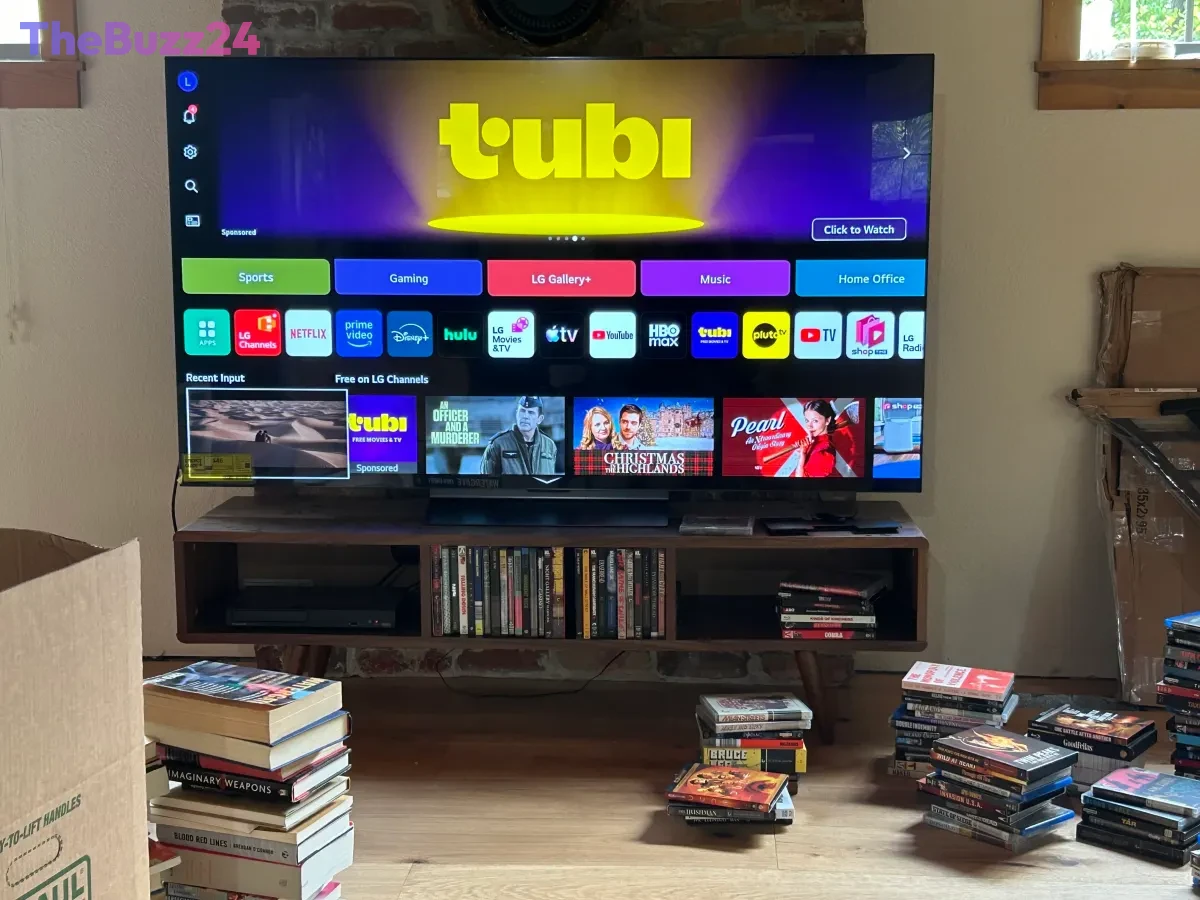
Giant TVs: A New Home Cinema Experience or a Recipe for Nausea?
The allure of a massive home television, particularly the cutting-edge OLED technology, has drawn many consumers seeking an unparalleled viewing experience. These displays, featuring self-lighting pixels, offer superior contrast, vibrant colors, and dramatic light and shadow play compared to traditional LED TVs. However, the pursuit of cinematic immersion through larger screen sizes, such as a 65-inch LG evo C4, can sometimes lead to unexpected physical discomfort for new owners.
Reports have surfaced of individuals experiencing nausea, headaches, and disorientation after upgrading to larger OLED televisions. Online forums, like Reddit, are populated with discussions from users describing similar symptoms, with some questioning if the screen size itself is the culprit. While theories range from motion-smoothing settings and screen brightness to sitting too close, some users, like the author of this piece, found that their initial discomfort subsided after a few days, suggesting a period of visual adjustment.
Beyond the potential for initial physiological reactions, practical considerations for purchasing oversized televisions are paramount. Potential buyers must assess whether their living space can comfortably accommodate a significantly larger screen without overwhelming the room. Furthermore, the setup process for these large, delicate displays can be challenging, often requiring careful handling and assembly, sometimes necessitating a quick consultation of online tutorials for guidance.
Despite these potential hurdles, the visual fidelity and customization options offered by high-end OLED TVs, including modes designed to replicate a director’s original intent, ultimately deliver a spectacular home entertainment experience. While there might be an initial adjustment period, the enhanced viewing quality can transform a home cinema into a truly immersive environment.
Key Takeaways
- Upgrading to large OLED TVs can offer superior picture quality but may cause initial physical discomfort like nausea and headaches for some users.
- Potential causes for discomfort include screen size, motion-smoothing settings, brightness, and viewing distance, though visual adjustment often resolves the issue.
- Prospective buyers should consider their room size and the practicalities of setting up a large TV, alongside the advanced features and visual benefits of OLED technology.
Editor’s Analysis & Impact
The growing trend towards larger, more immersive home entertainment systems, particularly with the advancement of OLED technology, presents both opportunities and challenges for consumers and manufacturers. While the visual benefits are undeniable, the reported physiological reactions highlight a potential disconnect between technological advancement and human sensory adaptation. This could spur further research into display technologies and user interface design to mitigate such effects. For the industry, it underscores the importance of user education regarding optimal viewing distances and settings, and potentially influences future product development to ensure comfort alongside performance. The market for premium televisions remains strong, but addressing these user-centric issues could be key to sustained growth and customer satisfaction.
Frequently Asked Questions
Q: What is OLED technology?
A: OLED (Organic Light-Emitting Diode) is a display technology where each pixel emits its own light. This allows for perfect blacks, infinite contrast, and vibrant colors, offering superior image quality compared to traditional LED TVs that rely on a backlight.
Q: Why might a large TV cause nausea or headaches?
A: The exact cause is debated, but theories include the sheer size of the screen requiring the eyes to work harder to scan the image, sensitivity to motion-smoothing features (even if not explicitly enabled), screen brightness, or sitting too close. For many, these symptoms are temporary and resolve as the eyes adjust.
Q: What should I consider before buying a very large TV?
A: Consider the dimensions of your room and viewing distance to ensure the TV fits comfortably and provides an optimal viewing experience. Also, think about the setup process, as larger screens can be unwieldy, and research the specific features and settings that might impact your viewing comfort.
AI Disclosure: This article is based on verified data and official reports. Our Team and AI have cross-referenced every financial detail with primary sources to ensure total accuracy.
More from this Category