Global Health Officials Prioritize Common Illnesses Over Ebola for Record-Breaking World Cup
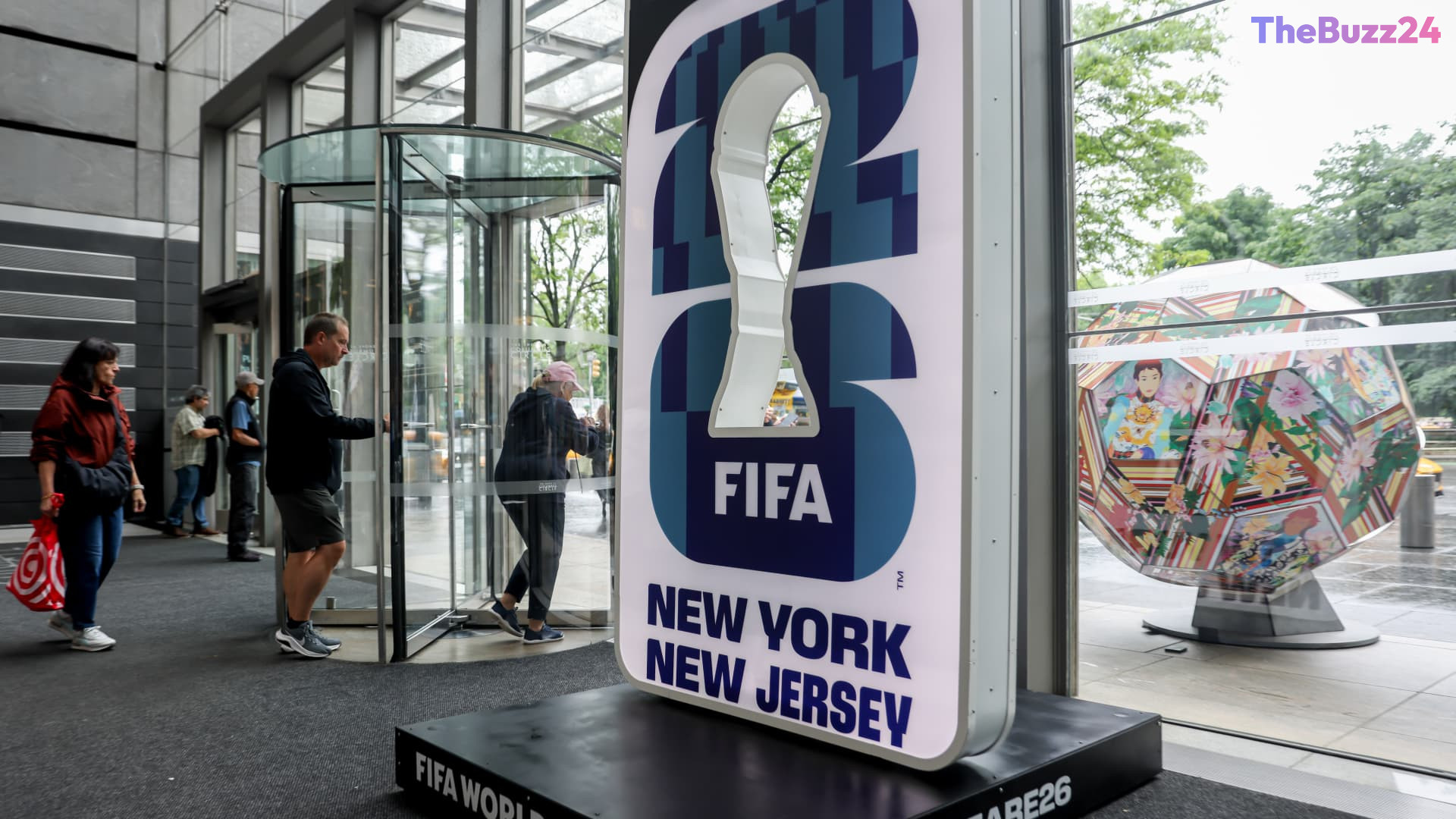
As the FIFA World Cup prepares to kick off its largest tournament in history, spanning 16 host cities across the United States, Canada, and Mexico, public health authorities are bracing for a significant challenge. Their primary focus, however, is not on exotic diseases like Ebola, despite ongoing outbreaks in Africa, but rather on highly contagious, more common illnesses such as measles and respiratory viruses, which pose a greater risk in large, fast-moving crowds.
Infectious disease experts, including Dr. Shruti Gohil of University of California, Irvine Health, and Dr. Amesh Adalja of Johns Hopkins, emphasize that the risk of widespread Ebola transmission during the tournament remains low. Ebola requires direct, close contact with bodily fluids for transmission, making it less likely to spread in casual crowd settings. Nevertheless, robust screening protocols are in place for travelers arriving from countries affected by Ebola outbreaks, with designated entry airports and follow-up monitoring by local health departments to ensure any potential cases are quickly identified and isolated.
Instead, health officials are particularly concerned about airborne diseases like measles, COVID-19, and influenza. The United States has recently seen a surge in measles cases, partly attributed to declining vaccination rates and vaccine hesitancy, making it a top priority for host cities. Dr. James Garrow of Philadelphia’s Department of Public Health highlighted measles as a major concern due to its extreme contagiousness. Cities like Houston, under the guidance of Dr. Theresa Tran, are also vigilant about other vaccine-preventable diseases, alongside potential threats from arboviruses, foodborne illnesses, and heat-related conditions.
To counter these threats, host cities and federal agencies are significantly scaling up their public health infrastructure. This includes enhanced wastewater monitoring, which can detect disease trends early, and the deployment of new tools like mobile testing labs, as seen in Philadelphia, to speed up diagnosis. Dallas County, for instance, is expanding its wastewater surveillance and enhancing mosquito monitoring for diseases like dengue. Despite past resource cuts to public health, organizations like Georgetown University’s Health Security Operations Center are stepping in to provide critical information sharing and coordination, ensuring a multi-layered defense to protect the millions of fans and athletes converging for this historic global event.
Key Takeaways
- The largest-ever FIFA World Cup across 16 cities in three countries presents significant public health challenges due to the movement of millions of people.
- Health officials are prioritizing highly contagious diseases like measles, COVID-19, and influenza over Ebola, given their airborne transmission and potential for rapid spread in crowds.
- Host cities and federal agencies are implementing advanced surveillance, screening, and rapid response systems, including wastewater monitoring, mobile labs, and inter-agency coordination, to mitigate disease outbreaks.
Editor’s Analysis & Impact
The upcoming FIFA World Cup underscores the evolving complexities of global public health in an interconnected world. While the immediate focus is on preventing outbreaks during the event, the proactive measures being implemented, such as enhanced wastewater surveillance and rapid diagnostic capabilities, represent a significant advancement in public health preparedness. This event serves as a critical test for these systems, potentially setting new standards for managing large-scale international gatherings. The emphasis on common, highly transmissible diseases over more sensational but less easily spread ones reflects a pragmatic and evidence-based approach to risk assessment. Long-term implications include a renewed call for sustained investment in public health infrastructure, improved international cooperation, and continued efforts to combat vaccine hesitancy, which remains a vulnerability for widespread outbreaks.
Frequently Asked Questions
Q: Why are health officials more concerned about measles than Ebola for the World Cup?
A: Health officials are more concerned about measles and respiratory viruses because they are highly contagious and spread easily through airborne transmission in large crowds. Ebola, conversely, requires direct contact with bodily fluids, making it less likely to spread in casual public settings.
Q: What specific measures are being taken to prevent disease outbreaks during the World Cup?
A: Host cities are implementing enhanced surveillance, including wastewater monitoring and metagenomic testing, deploying mobile labs for rapid on-site testing, and coordinating closely with hospitals for quick response. Additionally, travelers from Ebola-affected regions undergo specific health screenings upon entry.
Q: How does the unprecedented scale of this World Cup impact public health preparedness?
A: As the largest World Cup ever, spanning 16 cities across three countries, it necessitates an unprecedented level of coordination and scaling up of health systems. This includes managing the movement of millions of fans and athletes, requiring robust, multi-layered strategies for disease detection, prevention, and response across diverse jurisdictions.
AI Disclosure: This article is based on verified data and official reports. Our Team and AI have cross-referenced every financial detail with primary sources to ensure total accuracy.
More from this Category