Global Markets Brace for ‘Long Grind’ as U.S.-Iran Escalation Dampens Hopes for Swift Resolution
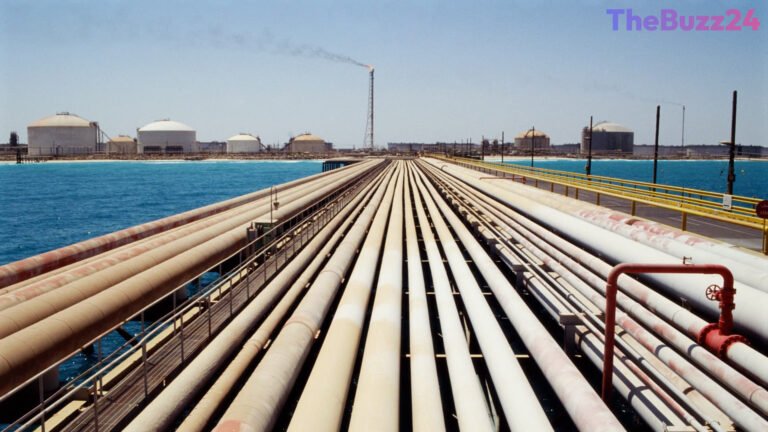
Global financial markets are adjusting to the reality of a protracted conflict between the United States and Iran, moving away from expectations of a swift diplomatic breakthrough. Following recent military actions, including strikes by U.S. Central Command on Iranian targets and subsequent retaliatory strikes by Tehran affecting Gulf nations, investors are pricing in a persistent geopolitical risk premium. While Asian markets experienced downward pressure, U.S. futures showed resilience, and crude oil prices hovered below the $100-per-barrel mark, cushioned by alternative shipping routes and strategic reserves despite tensions in the critical Strait of Hormuz.
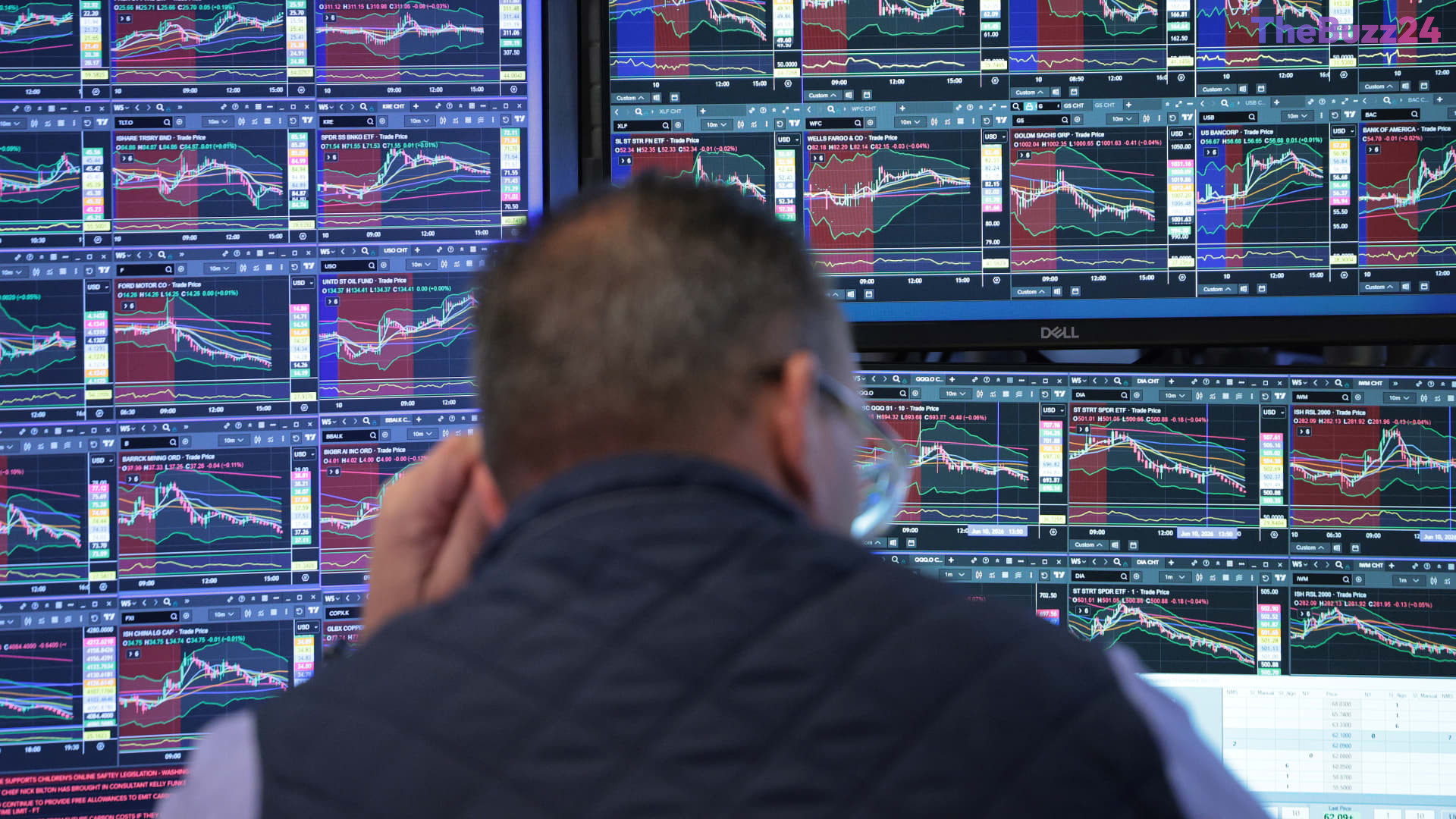
Financial experts suggest that the primary challenge for global markets is no longer a temporary inflationary spike, but rather a structural shift toward sustained higher energy costs and elevated borrowing rates. This environment forces a repricing of capital, raising the earnings hurdles for corporations across various sectors. Analysts point out that the era of broad-based market gains may be giving way to a more selective investment landscape where geopolitical uncertainty remains a permanent fixture in valuation models.
Despite the heightened tensions, some investment strategists maintain that a localized, intermittent conflict remains the most likely scenario rather than an all-out global war. Historical market patterns suggest that equities often recover after initial geopolitical shocks, prompting advisors to recommend that investors remain committed to their long-term portfolios. However, credit rating agencies like Fitch Ratings have already downgraded their global sovereign sector outlook to “deteriorating,” warning that a prolonged stalemate could drag down global economic growth, push bond yields higher, and entrench inflationary pressures.
Key Takeaways
- Investors are shifting expectations from a quick diplomatic resolution to a prolonged 'long grind' conflict between the U.S. and Iran.
- Despite disruptions in the Strait of Hormuz, oil prices remain under $100 due to strategic reserves and alternative export routes.
- Fitch Ratings downgraded its global sovereign sector outlook to 'deteriorating,' citing risks of lower growth and higher inflation.
Editor’s Analysis & Impact
The escalating friction between the U.S. and Iran marks a critical transition for global financial markets, shifting from short-term panic-selling to a structural repricing of geopolitical risk. Investors can no longer rely on the assumption of cheap capital and stable energy corridors. Instead, a persistent risk premium is being integrated into asset valuations. While energy markets have shown resilience due to strategic reserves and diversified supply chains, the broader macroeconomic impact—characterized by sticky inflation and elevated interest rates—will likely compress corporate profit margins. Sectors highly sensitive to borrowing costs and energy inputs will face stiffer headwinds. Ultimately, this conflict underscores a broader shift toward a fragmented global economy, where geopolitical alignment and supply chain security dictate market performance more than traditional monetary policy.
Frequently Asked Questions
Q: How is the U.S.-Iran conflict affecting global oil prices?
A: While oil prices have risen, they have largely remained below $100 a barrel. This stability is attributed to alternative shipping routes bypassing the Strait of Hormuz, increased energy exports from the U.S., and releases from strategic petroleum reserves.
Q: What does a 'long grind' scenario mean for everyday investors?
A: A 'long grind' implies that geopolitical tensions will remain elevated for an extended period. For investors, this means higher borrowing costs, persistent inflation, and a higher cost of capital, making selective stock picking more crucial than broad-market investing.
Q: Why did Fitch Ratings downgrade its global sovereign sector outlook?
A: Fitch Ratings revised its outlook to 'deteriorating' due to fears that a prolonged U.S.-Iran conflict will stifle global economic growth, drive up inflation, increase bond yields, and heighten overall geopolitical instability.
AI Disclosure: This article is based on verified data and official reports. Our Team and AI have cross-referenced every financial detail with primary sources to ensure total accuracy.
More from this Category