Global Oil Supply Lines Face Unprecedented Peril as Maritime Conflicts Escalate Across Three Seas
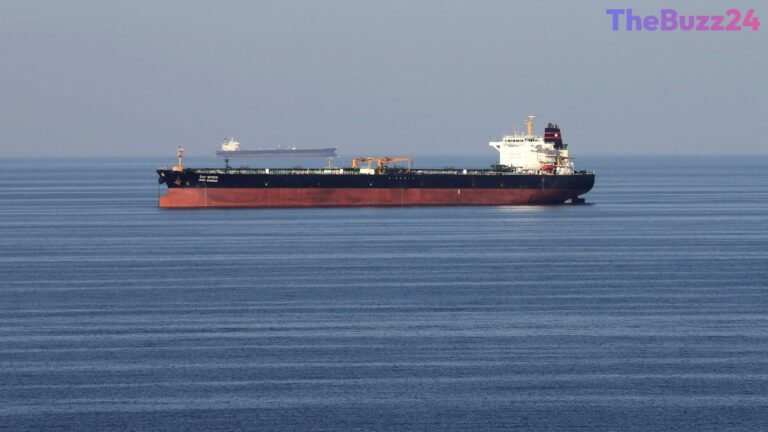
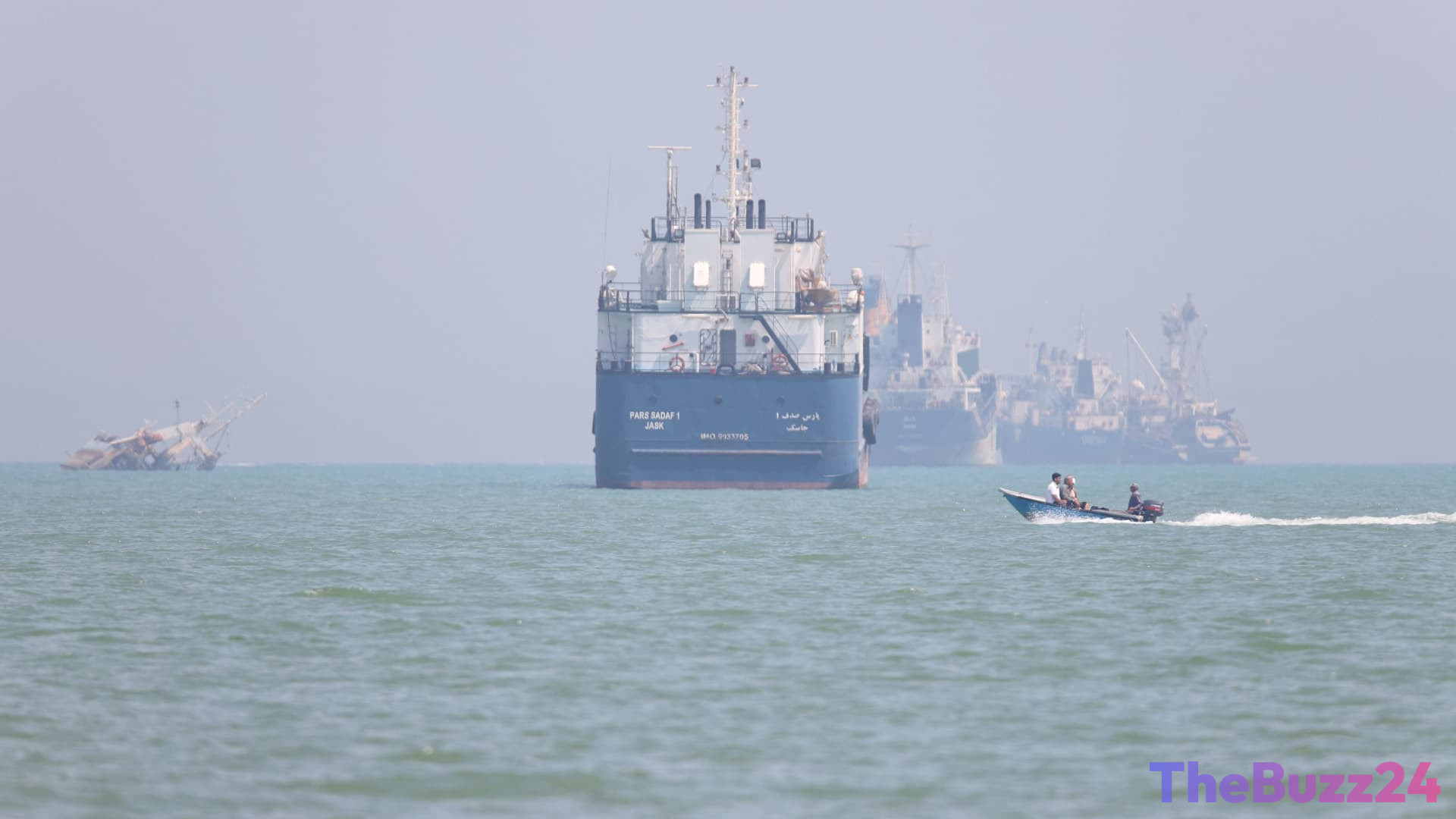
Global energy markets are facing a severe supply crisis as critical maritime chokepoints in both the Middle East and Europe come under simultaneous military threat. In the Middle East, the Strait of Hormuz and the Bab el-Mandeb Strait are experiencing heightened aggression from Iranian forces and Yemen-based Houthi militants. This coordinated pressure has disrupted vital shipping lanes, forcing energy companies to navigate highly volatile waters. Concurrently, Eastern Europe has become another active front, with Ukrainian forces intensifying maritime strikes against Russian-linked tankers and cargo vessels in the Black Sea and the Sea of Azov.
The economic fallout of these multi-front maritime conflicts is already manifesting in global energy pricing. Brent crude recently surged past the $100 per barrel threshold, marking a price increase of over 30% within a single month. This price spike follows the collapse of a brief maritime memorandum of understanding between the United States and Iran, which had temporarily restored some stability to the Strait of Hormuz. Since early March, over 60 commercial vessels have been targeted in the Persian Gulf region, resulting in multiple crew casualties and prompting shipping firms to reconsider their routes.
Alternative logistics routes offer little relief due to severe operational bottlenecks. Saudi Arabia’s strategy to bypass the Strait of Hormuz by piping crude to its western coast is now compromised by Houthi attacks near the Bab el-Mandeb Strait. While some oil can be redirected through Egyptian pipelines to the Mediterranean, the process is logistically cumbersome. Supertankers, unable to transit the shallow Suez Canal fully loaded, must offload cargo, transit the canal partially empty, and reload on the other side—or undertake a grueling eight-week round-trip journey around Africa.
Meanwhile, the conflict in Eastern Europe is squeezing the refined products market. The Caspian Pipeline Consortium recently halted tanker loadings at the Russian port of Novorossiysk following maritime strikes, directly threatening Kazakhstan’s oil exports, which rely on the pipeline for 80% of their transit. Additionally, Ukrainian drone strikes have disabled more than half of Russia’s domestic refining capacity, forcing Moscow to implement an export ban on refined petroleum products. Industry analysts warn that if these geopolitical tensions escalate into full-scale regional warfare, Brent crude could surpass its historical peak of $148 per barrel.
Key Takeaways
- Simultaneous military threats in the Strait of Hormuz, Bab el-Mandeb, and the Black Sea are severely disrupting global oil transit.
- Brent crude has surged past $100 per barrel, driven by a 30% price increase amid escalating maritime hostilities and the collapse of diplomatic agreements.
- Ukrainian attacks on Russian infrastructure have disabled over 50% of Russia's refining capacity and disrupted Kazakh crude exports through the Caspian Pipeline Consortium.
Editor’s Analysis & Impact
The convergence of military escalations in the Middle East and Eastern Europe represents a structural shift in geopolitical risk for global energy markets. Historically, localized conflicts caused temporary price spikes, but the current simultaneous targeting of key chokepoints—Hormuz, Bab el-Mandeb, and the Black Sea—threatens to permanently alter global shipping logistics. The complexity of bypassing these waterways, combined with the vulnerability of land-based pipelines and refining infrastructure, means supply inelasticity will likely persist. Investors should prepare for sustained volatility. If diplomatic efforts fail to secure these vital corridors, the energy sector could see Brent crude testing historic highs, triggering widespread inflationary pressures across the global economy and forcing Western nations to accelerate strategic reserve releases or seek alternative, non-marine supply chains.
Frequently Asked Questions
Q: Why are Saudi Arabia's alternative pipeline routes failing to solve the shipping crisis?
A: While Saudi Arabia can pipe oil to its western coast, the subsequent maritime route requires passing through the Bab el-Mandeb Strait, which is under threat from Houthi militants. Bypassing this via the Suez Canal requires complex offloading and reloading procedures because supertankers are too deep for the canal, making the alternative logistically difficult and time-consuming.
Q: How is the conflict in Ukraine affecting oil exports from Kazakhstan?
A: Kazakhstan exports approximately 80% of its crude oil through the Caspian Pipeline Consortium, which terminates at the Russian port of Novorossiysk. Due to Ukrainian maritime attacks in the Black Sea, loading operations at this port have been suspended, threatening to shut in a significant portion of Kazakhstan's 1.7 million barrels per day production.
Q: What could happen to oil prices if the Middle East conflict escalates further?
A: Market analysts warn that a continued escalation could push Brent crude past its 2022 high of $128 per barrel. In a worst-case scenario involving full-scale regional war, prices could surpass the historic 2008 peak of $148 per barrel.
AI Disclosure: This article is based on verified data and official reports. Our Team and AI have cross-referenced every financial detail with primary sources to ensure total accuracy.
More from this Category