Global Powers Converge: Xi, Putin, Trump Set for Historic Trilateral Summit
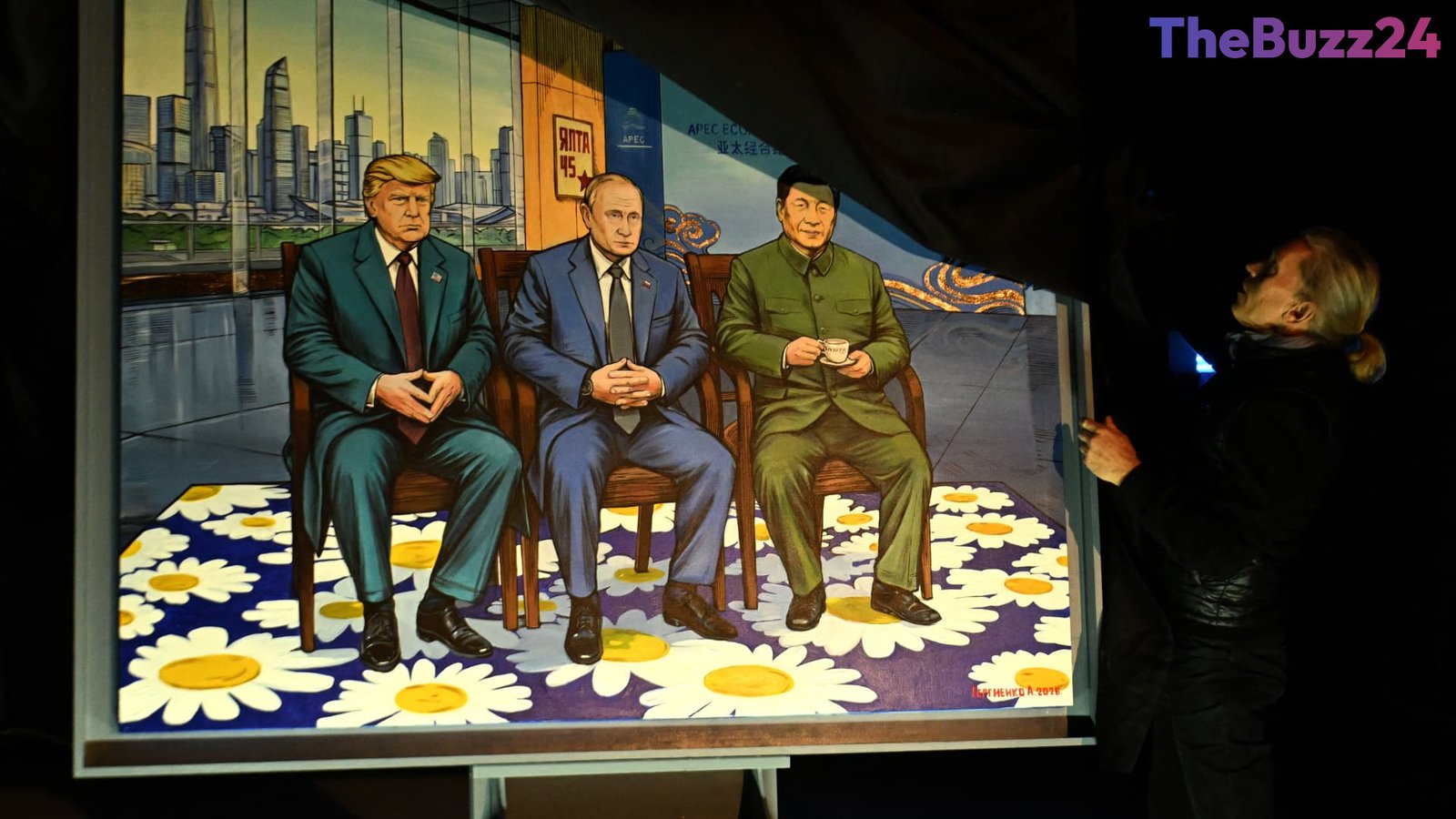
An unprecedented trilateral summit involving Chinese President Xi Jinping, Russian President Vladimir Putin, and U.S. President Donald Trump is set to convene in Shenzhen on Thursday, marking the first time all three leaders will gather simultaneously. The historic meeting, taking place on the sidelines of the APEC conference, is anticipated to address some of the most pressing global challenges. Analysts suggest that merely bringing these three powerful figures to the table represents a significant political achievement, particularly for Beijing, underscoring its growing diplomatic influence.
Despite the high-level participation, the precise agenda for the summit remains a point of contention among the participating nations. The U.S. has indicated its intention to prioritize discussions on nuclear non-proliferation and the ongoing conflict in the Middle East, specifically the U.S.-Israeli war against Iran. Conversely, Washington has downplayed the likelihood of extensive talks regarding the Ukraine war, a topic that Moscow has placed high on its diplomatic agenda, with President Putin’s position on the conflict appearing resolute. China has not publicly specified its primary discussion points for the trilateral talks.
Beyond geopolitical flashpoints, the summit is also expected to tackle critical economic issues. A U.S.-China trade truce, slated to expire in January, is likely to be a central topic, with many anticipating an extension and a push towards establishing a more durable framework for balanced trade relations. The substantial U.S. trade deficit with China is a key concern for Washington, and efforts to narrow this gap will be a significant part of the economic discussions. While this trilateral format is new, the leaders have engaged in numerous bilateral meetings over the years, setting a precedent for complex diplomatic engagements.
Key Takeaways
- The first-ever trilateral summit between Chinese President Xi Jinping, Russian President Vladimir Putin, and U.S. President Donald Trump is confirmed for Shenzhen.
- Key agenda items include nuclear non-proliferation, the Middle East conflict, and U.S.-China trade relations, with the Ukraine war being a point of differing priorities.
- The summit holds significant political and diplomatic implications, particularly highlighting China's role in facilitating such a high-level gathering.
Editor’s Analysis & Impact
This unprecedented trilateral summit signals a significant shift in global diplomatic dynamics, moving beyond traditional bilateral engagements to a more complex, multi-polar framework. For markets, the outcomes could influence trade policies, particularly between the U.S. and China, potentially impacting global supply chains and investment flows. Discussions on the Middle East and nuclear non-proliferation carry implications for energy markets and regional stability. The differing agendas, especially regarding the Ukraine conflict, highlight persistent geopolitical fault lines. Looking ahead, the summit’s success or failure in finding common ground will shape future international relations, potentially leading to either de-escalation of tensions or a deepening of strategic rivalries. It underscores the growing influence of China as a diplomatic broker and the evolving roles of major powers in addressing global challenges.
Frequently Asked Questions
Q: What is the primary significance of this summit?
A: It marks the first time the leaders of China, Russia, and the United States have met simultaneously, signaling a potentially new era of trilateral diplomacy and global power dynamics.
Q: What are the main topics expected to be discussed?
A: Key agenda items include nuclear non-proliferation, the Middle East conflict, and U.S.-China trade relations. The Ukraine war is also a significant point of discussion, though priorities differ among the leaders.
Q: Why is the agenda considered 'uncertain'?
A: The U.S. and Russia have publicly expressed different priorities, with the U.S. focusing on nuclear issues and the Middle East, while Russia emphasizes the Ukraine conflict. China's specific agenda remains undisclosed, contributing to the uncertainty.
AI Disclosure: This article is based on verified data and official reports. Our Team and AI have cross-referenced every financial detail with primary sources to ensure total accuracy.
More from this Category