Global Superstars Deliver Record-Breaking World Cup Half-Time Spectacle
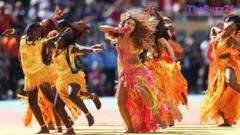
The World Cup final reached a new level of entertainment as a star-studded lineup of global icons took to the stage for a half-time show that challenged the scale of the Super Bowl. The performance, which lasted a record-breaking 27 minutes and 22 seconds, featured legendary acts including Madonna, Shakira, Justin Bieber, and the K-pop sensation BTS. Madonna made a dramatic entrance alongside Brazilian football icons Ronaldo and Ronaldinho, while Justin Bieber showcased his musical versatility with a guitar-led segment.
The event was marked by a vibrant display of pyrotechnics and choreography, drawing a massive crowd of spectators and high-profile guests. Among those in attendance were Kylie Jenner, Timothee Chalamet, Beyonce, Jay-Z, and actress Anya Taylor-Joy. The show also saw a reunion between Shakira and Burna Boy, who had previously performed at the tournament’s opening ceremony. The extended duration of the performance sparked debate, as it significantly exceeded the standard 15-minute half-time break mandated by the International Football Association Board.
Beyond the musical performances, the closing ceremony featured appearances by Jennifer Hudson, who performed the national anthem, and actor Tom Cruise, who delivered a speech emphasizing the unifying power of football. Other notable artists, including Post Malone, Nicole Scherzinger, and Robbie Williams, contributed to the festivities. Despite the star power, the production received mixed reviews, with some figures in the football community questioning the impact of such an extensive break on the flow of the match.
Key Takeaways
- The World Cup final featured a record-breaking 27-minute half-time show featuring global stars like Madonna, BTS, and Shakira.
- The extended duration of the performance drew criticism for exceeding the standard 15-minute break allowed by football regulations.
- The event attracted a high-profile audience, including major celebrities and public figures, highlighting the intersection of sports and global pop culture.
Editor’s Analysis & Impact
The integration of high-production musical performances into major sporting events like the World Cup signals a strategic shift toward ‘event-based’ sports broadcasting. By mirroring the Super Bowl model, organizers are clearly aiming to capture a broader demographic beyond traditional football fans, effectively turning the match into a global cultural phenomenon. However, this approach creates tension between commercial entertainment goals and the integrity of the sport. The controversy surrounding the extended half-time duration highlights a growing friction between FIFA’s commercial ambitions and the traditional rules governing match play. Moving forward, organizers will need to balance the demand for high-octane entertainment with the logistical and physical needs of the athletes, as excessive delays risk alienating purists while potentially setting a new standard for future international tournaments.
Frequently Asked Questions
Q: How long was the World Cup half-time show?
A: The half-time show lasted 27 minutes and 22 seconds, making it the longest in World Cup history.
Q: Why was the length of the half-time show controversial?
A: The duration exceeded the 15-minute limit typically mandated by the International Football Association Board (Ifab) for player stoppages.
AI Disclosure: This article is based on verified data and official reports. Our Team and AI have cross-referenced every financial detail with primary sources to ensure total accuracy.
More from this Category