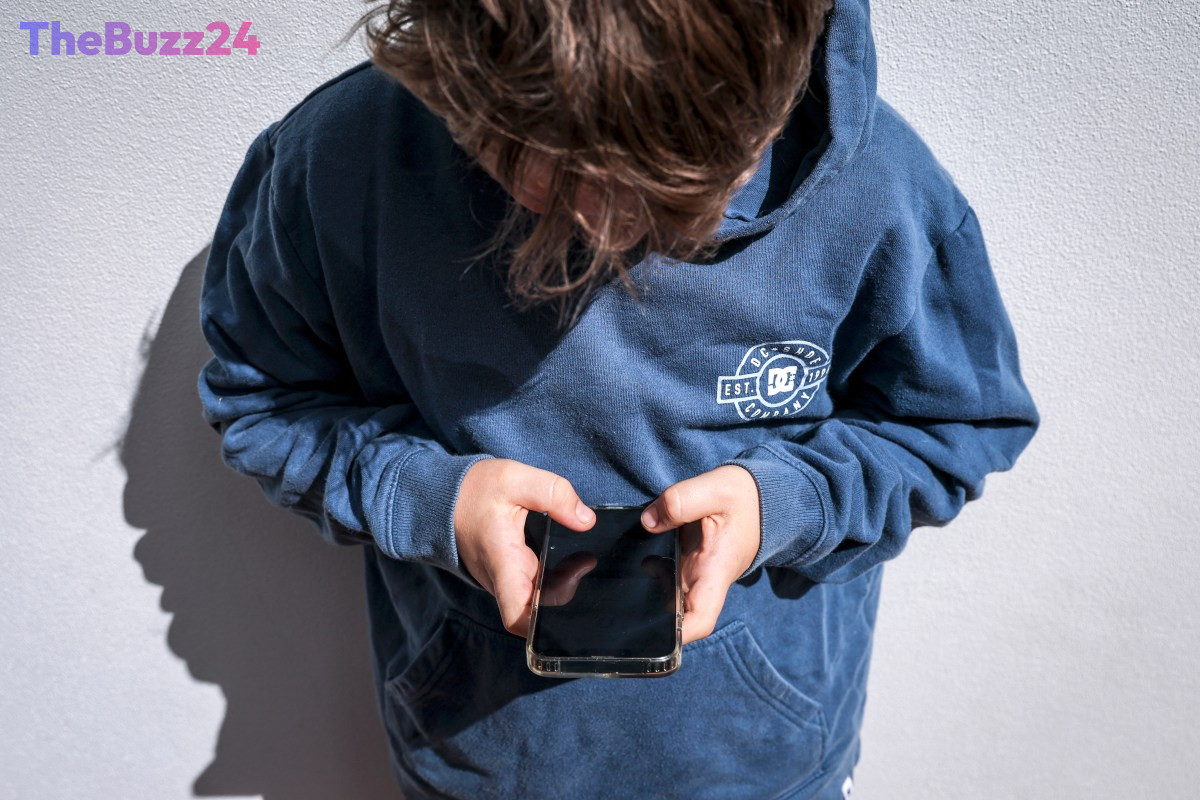
Global Wave: Nations Move to Shield Children with Social Media Bans
A growing number of countries are enacting or considering significant restrictions on social media access for minors, driven by concerns over the potential harms to young users. These measures aim to mitigate risks such as cyberbullying, addiction, negative impacts on mental health, and exposure to online predators. While some nations have already implemented bans, others are in the process of drafting legislation, signaling a global trend towards greater regulation of digital platforms for children and adolescents.
Australia has taken the lead, becoming the first country to ban social media for individuals under 16 in December 2025. This pioneering legislation targets major platforms like Facebook, Instagram, TikTok, and X, while exempting certain services such as WhatsApp and YouTube Kids. The Australian government mandates that social media companies employ robust age verification methods beyond self-declaration, with substantial penalties for non-compliance, potentially reaching $34.4 million USD.
Following Australia’s example, several European nations are also moving forward with similar initiatives. The United Kingdom recently announced plans to ban social media for those under 16, with Prime Minister Keir Starmer indicating a potential implementation by spring 2027. This move includes restrictions on AI companion chatbots, requiring them to verify users are over 18. Austria is preparing legislation to ban social media for children up to 14, with draft laws expected soon. Denmark aims to implement a ban for those under 15 by mid-2026, supported by a new digital evidence app for age verification. France has passed a bill to restrict access for children under 15, pending Senate approval, while Greece plans a similar ban for under-15s starting in January 2027. Germany is discussing a proposal to bar children under 16, though coalition partners have expressed reservations. Spain is also seeking parliamentary approval for a ban on social media for those under 16, alongside efforts to hold executives accountable for hate speech.
Beyond Europe and Australia, countries in Asia are also addressing the issue. Indonesia announced a ban for children under 16 on platforms including YouTube, TikTok, and Facebook. Malaysia intends to implement a ban for under-16s this year. Canada’s proposed digital safety bill includes provisions to ban social media for those under 16, with an option for platforms to avoid the ban by demonstrating protective policies. Poland and Slovenia are also drafting legislation to prohibit social media use for children under 15. These widespread regulatory efforts highlight a global consensus on the need to protect young people in the digital sphere, despite ongoing debates about the effectiveness and privacy implications of such bans.
Key Takeaways
- Multiple countries worldwide are introducing or considering bans on social media for children and teenagers.
- These bans aim to protect minors from risks like cyberbullying, addiction, and mental health issues, with Australia being the first to implement such a measure.
- While regulatory efforts are gaining momentum, concerns remain regarding the effectiveness of blanket bans and potential privacy issues related to age verification.
Editor’s Analysis & Impact
The global surge in social media bans for minors signifies a critical juncture in the relationship between technology platforms and young users. Governments are increasingly prioritizing child welfare over unfettered digital access, reflecting growing public concern about the mental and social impacts of online engagement. This trend could force social media companies to fundamentally rethink their design, age-gating mechanisms, and content moderation policies. The economic implications are significant, potentially impacting user growth and advertising revenue for platforms heavily reliant on younger demographics. Furthermore, the varying approaches across nations may lead to a fragmented regulatory landscape, posing compliance challenges for global tech giants and potentially spurring innovation in child-safe digital technologies.
Frequently Asked Questions
Q: Which countries have already banned social media for children?
A: Australia was the first country to implement a ban on social media for children under 16 in December 2025. Several other countries, including the UK, Austria, Denmark, France, Greece, Indonesia, Malaysia, and others, are in the process of enacting or have announced plans for similar restrictions.
Q: What are the main reasons behind these social media bans for minors?
A: The primary drivers for these bans are concerns about the negative impacts of social media on children's well-being, including cyberbullying, addiction, mental health issues (such as anxiety and sleep problems), and exposure to online predators. Governments also cite the addictive design of many platforms as a contributing factor.
Q: Are there any criticisms or concerns regarding these bans?
A: Yes, critics raise concerns about the effectiveness of blanket bans, potential privacy issues related to age verification methods, and the extent of government intervention in personal online activities. Some argue that such measures might ignore the realities of how younger generations use technology and could be circumvented.
AI Disclosure: This article is based on verified data and official reports. Our Team and AI have cross-referenced every financial detail with primary sources to ensure total accuracy.
More from this Category