Yellow Skies Fade to Black: Spirit Airlines Shuts Down After Bailout Collapse
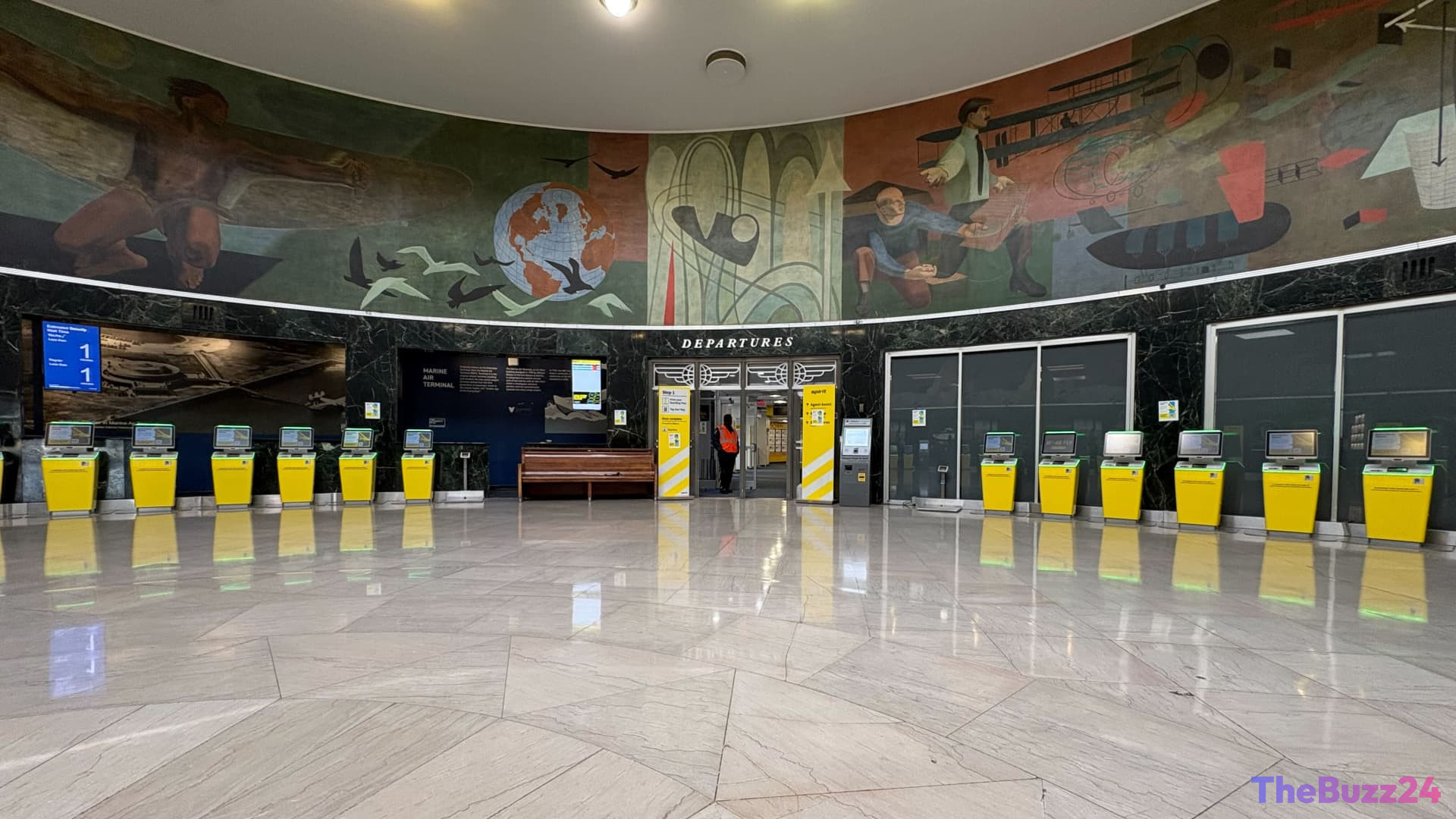
Spirit Airlines officially ceased all flight operations early Saturday morning, marking the abrupt end of a 34-year run for the pioneer of ultra-low-cost air travel in the United States. The shutdown occurred at 3:00 a.m. Eastern Time after last-minute negotiations for a federal bailout fell through. The collapse of the airline has left more than 17,000 direct and indirect employees out of work and forced competing carriers to scramble to accommodate stranded passengers.
The final blow came when Spirit’s bondholders rejected a last-minute rescue package proposed by the federal government. The deal, which would have injected up to $500 million into the struggling carrier, would have granted the government a 90% equity stake and priority over other creditors. However, Commerce Secretary Howard Lutnick ultimately informed Spirit CEO Dave Davis that negotiations had collapsed, prompting bondholders to advise the board that liquidation was inevitable. By Saturday morning, the airline’s digital platforms were replaced with notices informing travelers that all operations had ceased.
While the sudden halt shocked many travelers, Spirit’s financial troubles had been compounding for years. Despite a highly profitable decade in the 2010s, the airline had not turned a profit since 2019. The carrier faced a perfect storm of challenges, including intense competition from legacy airlines, soaring labor and operational costs, and a costly engine defect that grounded a significant portion of its fleet. Additionally, a federal judge blocked a proposed acquisition by JetBlue Airways on antitrust grounds, and recent spikes in jet fuel prices further strained the company’s fragile liquidity.
In the wake of the shutdown, major airlines including United, Southwest, JetBlue, and Frontier announced capped fares and expanded schedules to assist displaced Spirit passengers. Meanwhile, labor unions representing Spirit’s pilots and flight attendants are urging federal officials to expedite unemployment assistance and ensure workers receive earned compensation. The demise of the bright yellow fleet marks a significant consolidation in the domestic aviation market, leaving budget-conscious travelers with fewer ultra-low-cost options.
Key Takeaways
- Spirit Airlines officially ceased all operations at 3:00 a.m. ET on Saturday following the collapse of a proposed $500 million federal bailout.
- The shutdown has resulted in the immediate loss of over 17,000 direct and indirect jobs, prompting labor unions to call for federal intervention and emergency financial support for displaced workers.
- Rival airlines, including United, Southwest, and JetBlue, have capped fares and adjusted schedules to help transport stranded Spirit passengers.
Editor’s Analysis & Impact
The collapse of Spirit Airlines marks a watershed moment for the U.S. aviation industry, signaling the potential end of the ultra-low-cost carrier (ULCC) business model as we know it. Spirit pioneered unbundled, bare-bones pricing, forcing legacy carriers to introduce “basic economy” options. However, the model proved unsustainable in a post-pandemic environment characterized by soaring fuel costs, high inflation, and a consumer shift toward premium travel experiences. The blocked merger with JetBlue left Spirit without a viable lifeline, exposing its deep structural vulnerabilities. Moving forward, the domestic market will likely see increased consolidation and upward pressure on airfares, particularly on routes previously dominated by Spirit. Budget-conscious travelers will face fewer choices, while surviving legacy and mid-tier airlines will aggressively compete to capture Spirit’s former market share in key hubs like Fort Lauderdale and Orlando.
Frequently Asked Questions
Q: Why did Spirit Airlines shut down?
A: Spirit Airlines ceased operations after a proposed $500 million federal bailout deal collapsed. The airline had been struggling financially since 2019 due to rising fuel costs, intense competition, engine defects, and a blocked merger with JetBlue.
Q: What should stranded Spirit Airlines passengers do?
A: Since Spirit has canceled all flights and suspended customer service, passengers must book alternative travel. Several major airlines, including United, Southwest, JetBlue, and Frontier, are offering capped fares and expanded capacity to assist displaced travelers.
Q: What will happen to Spirit Airlines employees?
A: Approximately 17,000 employees have lost their jobs. Labor unions are currently lobbying federal transportation and labor departments to ensure workers receive their earned pay, vacation compensation, and enhanced unemployment benefits.
AI Disclosure: This article is based on verified data and official reports. Our Team and AI have cross-referenced every financial detail with primary sources to ensure total accuracy.
More from this Category