Rising Oil Prices Threaten Gold’s Market Stability
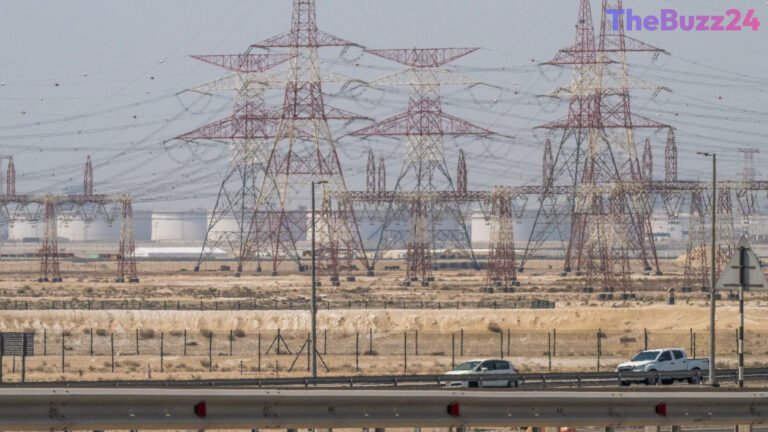
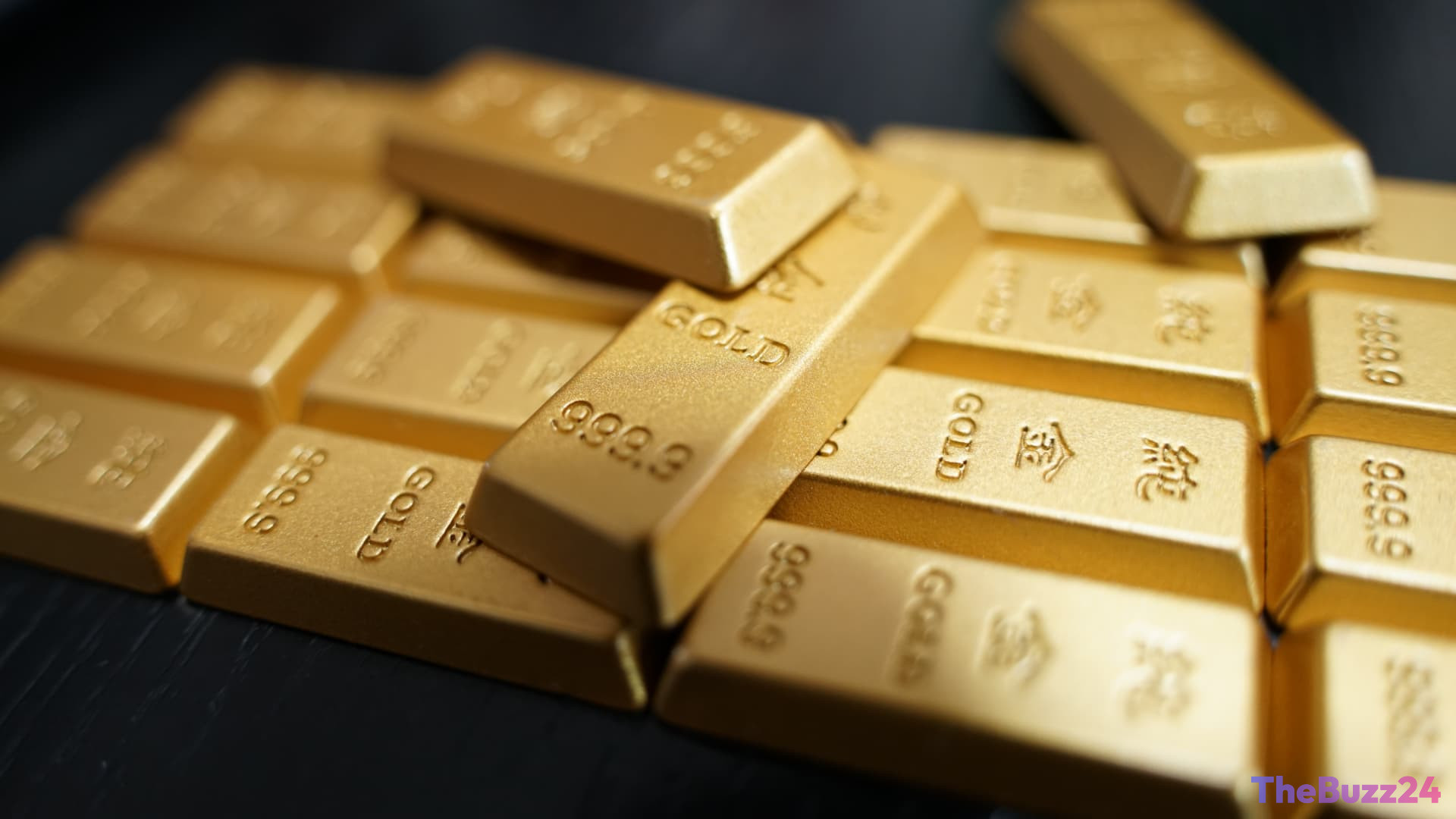
The global commodities market is currently experiencing a significant shift as the rapid appreciation of crude oil prices begins to weigh heavily on precious metals. As energy costs climb, they are fueling broader inflation expectations, which in turn influence Treasury yields. This dynamic creates a challenging environment for gold, an asset that does not yield interest, making it less attractive to investors when borrowing costs are on the rise.
Financial indicators are already showing signs of investor anxiety. There has been a notable increase in bearish sentiment surrounding gold-linked investments, evidenced by a spike in put option volume. Traders are actively hedging their positions against a potential decline in gold prices, reflecting a growing consensus that the current economic climate may favor higher interest rates for a longer duration.
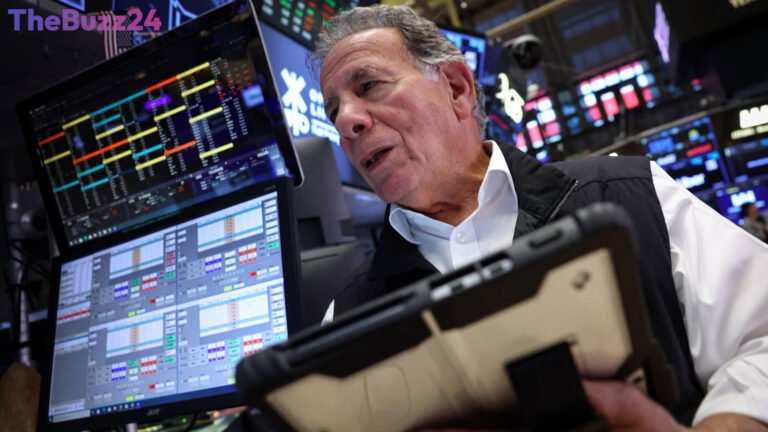
This trend is further underscored by the performance of the 10-year Treasury yield, which has reached yearly highs. As the market anticipates upcoming labor data, the correlation between energy prices and monetary policy has become the central focus for institutional investors. If the current rally in oil persists, the resulting pressure on bond yields could force a sustained retreat in the price of gold, marking a pivotal moment for commodity traders worldwide.
Key Takeaways
- Surging crude oil prices are driving inflation expectations, which negatively impact non-yielding assets like gold.
- Increased put option activity suggests that investors are actively hedging against a potential downturn in gold prices.
- The 10-year Treasury yield's climb to yearly highs indicates market expectations for prolonged elevated interest rates.
Editor’s Analysis & Impact
The current divergence between energy and precious metals highlights the sensitivity of the global economy to supply-side shocks. When oil prices rise, they act as a tax on the broader economy, forcing central banks to consider tighter monetary policies to curb inflation. For gold, which traditionally serves as a hedge against uncertainty, the current environment is paradoxical; while it should benefit from inflation, the simultaneous rise in Treasury yields makes the opportunity cost of holding gold too high for many institutional investors. Looking forward, the market will likely remain volatile until there is clear evidence that inflation is cooling. If energy prices remain elevated, we may see a sustained rotation of capital out of precious metals and into fixed-income assets, potentially resetting the valuation floor for gold in the coming quarters.
Frequently Asked Questions
Q: Why do rising oil prices hurt the price of gold?
A: Rising oil prices often lead to higher inflation, which prompts central banks to raise interest rates. Because gold does not pay interest, it becomes less attractive to investors compared to bonds or other interest-bearing assets when rates are high.
Q: What role do Treasury yields play in this market dynamic?
A: Treasury yields serve as a benchmark for borrowing costs. When they rise, they increase the opportunity cost of holding gold, as investors can earn a guaranteed return on government bonds instead of holding a non-yielding commodity.
AI Disclosure: This article is based on verified data and official reports. Our Team and AI have cross-referenced every financial detail with primary sources to ensure total accuracy.
More from this Category