Google Translate Rolls Out New Interactive Pronunciation Practice Feature
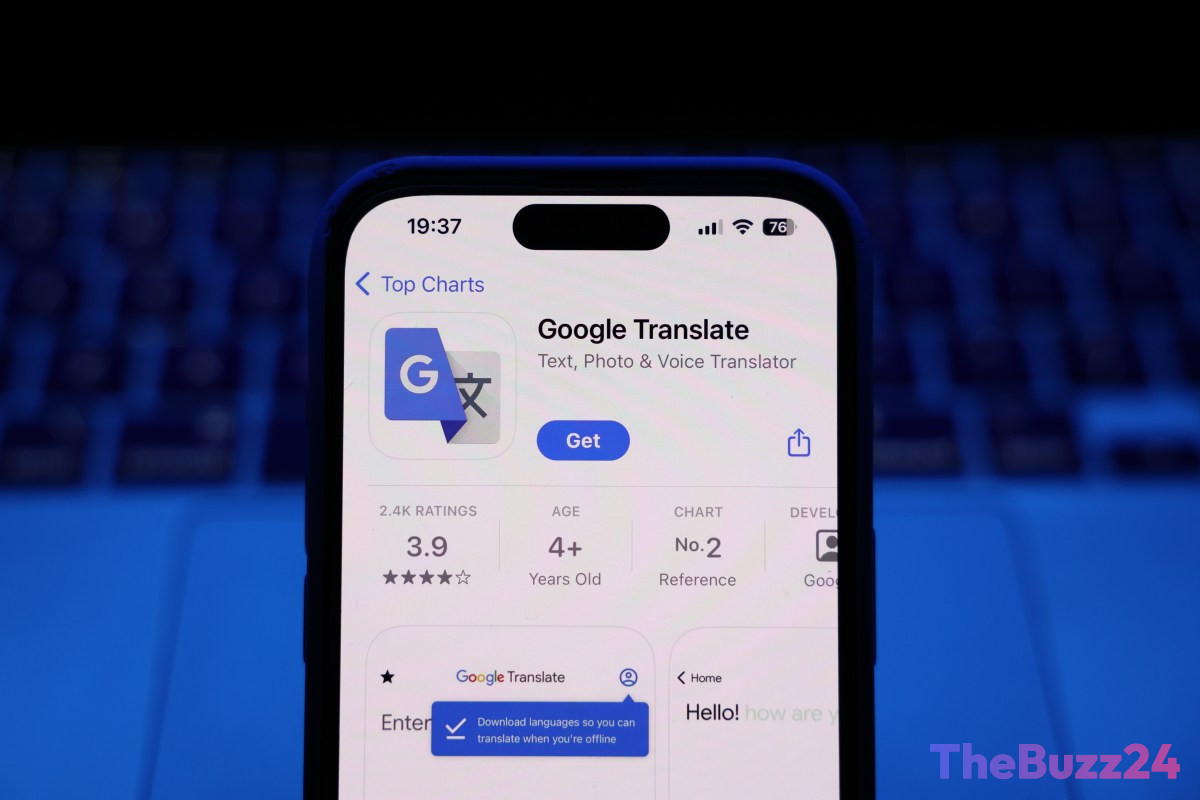
Google has updated its Translate service to include an interactive pronunciation practice tool, aiming to help language learners improve their speaking skills. This new feature leverages advanced speech recognition technology to analyze how users pronounce words and phrases, offering real-time feedback. By transitioning from a passive translation tool to an active learning assistant, the platform is expanding its utility for global communication.
The functionality is designed to be highly intuitive within the existing user interface. When users search for a translation or look up a word’s definition, they are presented with a microphone icon alongside the pronunciation guide. Upon speaking the word into their device, Google’s machine learning algorithms assess the acoustic patterns of the input, comparing it against standard pronunciations to highlight areas that need improvement.
This update represents a significant step forward in integrating educational technology directly into everyday utility apps. Previously, users had to rely on dedicated language learning software to receive spoken feedback. By embedding this capability directly into Google Translate, the tech giant is making language acquisition resources more accessible to millions of users worldwide, free of charge.
Currently rolling out across various regions and languages, the feature is expected to receive continuous updates as Google refines its voice recognition models. This development underscores a broader industry trend where translation tools are evolving into comprehensive language-learning ecosystems, blurring the lines between quick-reference utilities and structured educational platforms.
Key Takeaways
- Google Translate has introduced an interactive feature that allows users to practice and improve their pronunciation of translated words.
- The tool utilizes advanced speech recognition and machine learning to analyze spoken input and provide instant, constructive feedback.
- This update shifts Google Translate from a basic translation utility into an active language-learning tool, competing with dedicated educational apps.
Editor’s Analysis & Impact
The integration of real-time pronunciation feedback into Google Translate marks a pivotal shift in the digital language learning landscape. By leveraging its sophisticated speech recognition and machine learning capabilities, Google is directly challenging established language learning platforms. This move democratizes access to high-quality speaking practice, which is often the most difficult aspect of language acquisition to master without a tutor. For Google, this feature increases user engagement and time spent within its ecosystem. Looking ahead, we can expect Google to further integrate generative AI to simulate full conversational practice, transforming Translate from a simple dictionary into a comprehensive, AI-driven personal language coach.
Frequently Asked Questions
Q: How does the new pronunciation feature in Google Translate work?
A: The feature uses your device's microphone to record you speaking a word or phrase. Google's speech recognition technology then analyzes your pronunciation and provides feedback on which parts were correct and where you can improve.
Q: Is this pronunciation tool available for all languages?
A: The feature is being rolled out gradually, starting with support for English and expanding to other major languages. Google plans to support more languages as its voice recognition models improve.
Q: Do I need to download a separate app to use this feature?
A: No, the pronunciation practice tool is integrated directly into the existing Google Translate app and web interface, meaning users do not need to install any additional software.
AI Disclosure: This article is based on verified data and official reports. Our Team and AI have cross-referenced every financial detail with primary sources to ensure total accuracy.
More from this Category