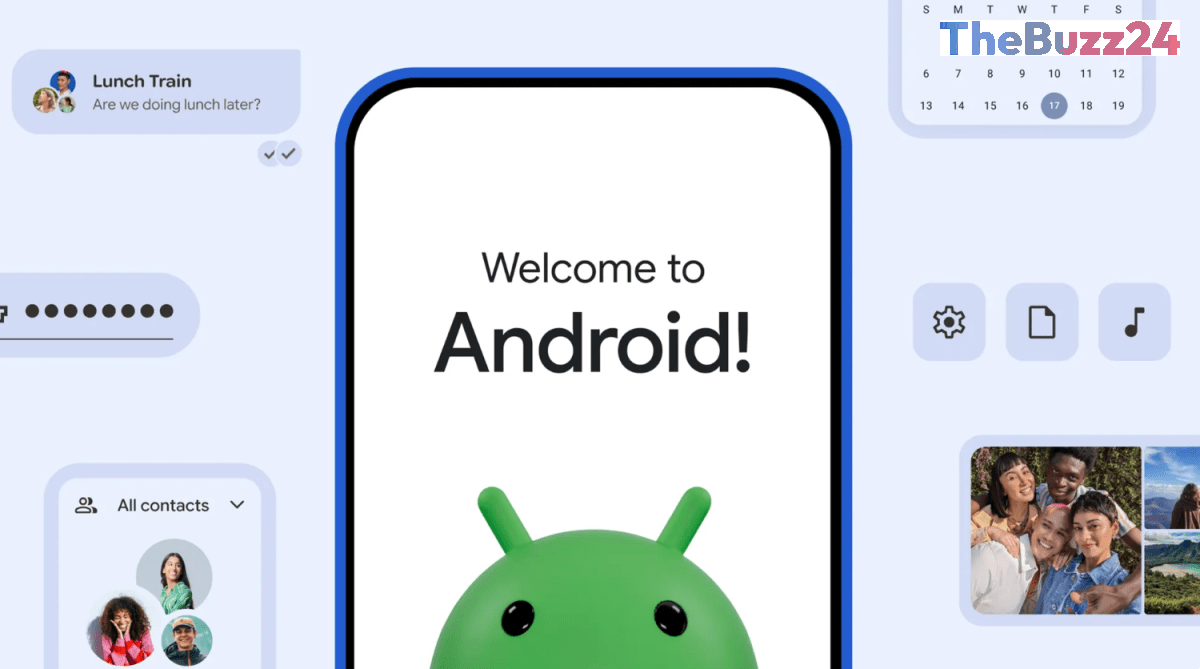
Google Unveils Enhanced Android Migration Tool for Seamless iPhone Switching
Google has introduced a significant upgrade to its Android ecosystem, integrating a new migration experience directly into Android 17. This innovation is designed to simplify the transition for users moving from an iPhone to an Android device, eliminating the need for a separate application and enabling wireless transfer of a broader array of data types.
The enhanced feature allows users to effortlessly transfer essential personal data, including photos, videos, contacts, messages, and calendars. Crucially, it now supports the migration of more sensitive information such as Google Account details, saved passwords, Wi-Fi credentials, and even eSIM profiles. This comprehensive data transfer capability addresses many of the previous hurdles associated with switching smartphone platforms, making the process far more user-friendly.
This strategic move by the tech giant aims to lower the barriers to entry for the Android ecosystem, actively seeking to attract a larger segment of iPhone users. By streamlining the onboarding process and expanding data compatibility, Google is making a concerted effort to enhance Android’s appeal and facilitate a smoother transition for those considering a change.
The new migration method has already begun its rollout, becoming available on select Pixel devices. Additionally, it is featured on the recently launched Samsung Galaxy Z Flip8 and Z Fold8 series. The company anticipates a broader deployment to more Android devices in the near future, further extending its reach and impact.
Key Takeaways
- Google has integrated a new, wireless migration tool directly into Android 17 to simplify switching from iPhone.
- The tool significantly expands the types of data transferable, including Google Account details, passwords, Wi-Fi credentials, and eSIM.
- This initiative aims to reduce friction and attract more iPhone users to the Android ecosystem by making the transition seamless.
Editor’s Analysis & Impact
Google’s latest enhancement to Android’s migration capabilities marks a significant strategic play in the fiercely competitive smartphone market. By directly addressing the pain points of switching from iOS, Google is intensifying its efforts to chip away at Apple’s ecosystem lock-in. This move could lead to a measurable shift in market share, particularly among users who have been hesitant to switch due to data transfer complexities. The inclusion of eSIM and Wi-Fi credentials is a game-changer, making the transition almost frictionless. We can anticipate Apple potentially responding with its own improvements to user retention or even facilitating Android-to-iOS transfers. This development underscores the growing importance of user experience in platform loyalty and could accelerate the adoption of new Android devices, especially premium models, by making them more accessible to a broader audience.
Frequently Asked Questions
Q: What is the main improvement in the new Android migration experience?
A: The primary improvement is the ability to wirelessly transfer a wider range of data types directly from an iPhone to an Android device, including Google Account information, passwords, Wi-Fi credentials, and eSIM, without needing a separate app.
Q: Which Android devices currently support this new migration feature?
A: The enhanced migration feature has begun rolling out to select Pixel devices and is also available on the newly released Samsung Galaxy Z Flip8 and Z Fold8 series. It is expected to become available on more Android devices soon.
Q: Why is Google making it easier to switch from iPhone to Android?
A: Google's objective is to lower the barriers for iPhone users considering a switch to Android. By simplifying the data transfer process and supporting more data types, the company aims to attract a larger segment of the smartphone market and increase Android's user base.
AI Disclosure: This article is based on verified data and official reports. Our Team and AI have cross-referenced every financial detail with primary sources to ensure total accuracy.
More from this Category