Google Unveils Pixel 11 Series, Pixel Watch 5, and New Pixel Tag with Deep Gemini AI Integration
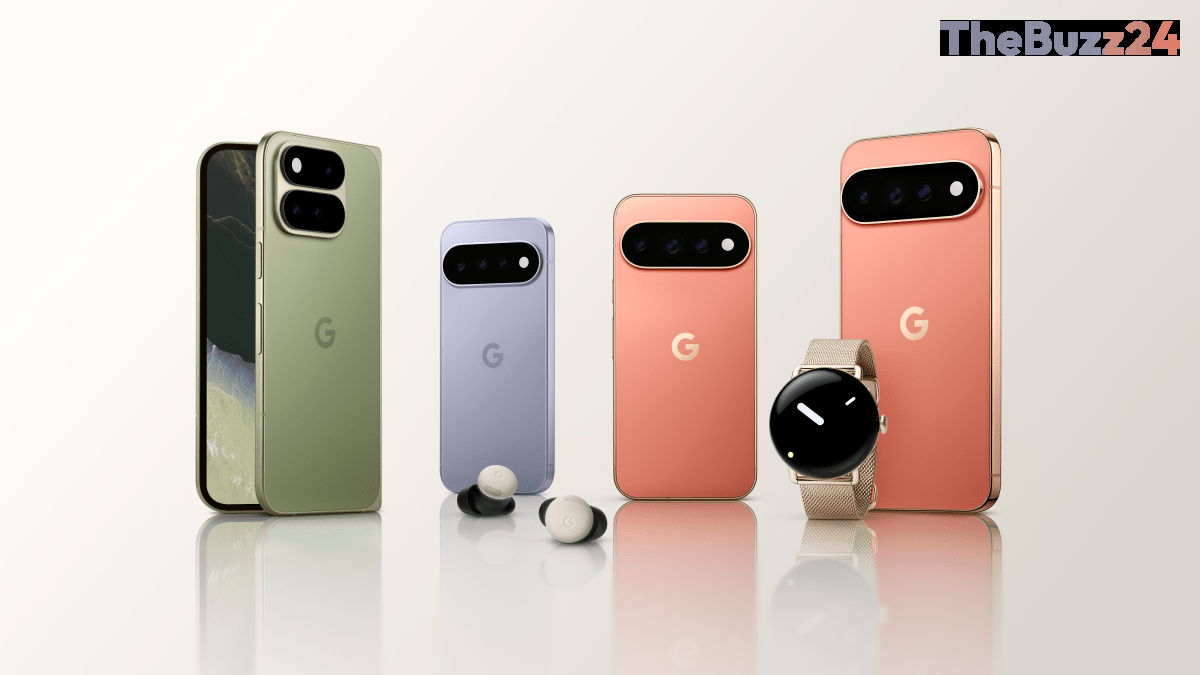
Google has officially unveiled its next generation of hardware products alongside a major expansion of artificial intelligence functionality across its ecosystem. The flagship smartphone lineup introduces the Pixel 11, featuring a newly engineered glass camera bar that is over 40 percent thinner than previous designs. To account for growing digital demands and component supply adjustments, the entry-level Pixel 11 doubles its base storage capacity to 256GB and carries a starting price of $899. Meanwhile, the higher-end Pixel 11 Pro and Pixel 11 Pro XL models introduce enhanced drop resistance and advanced scratch-resistant screen coatings, with prices beginning at $1,099.
The foldable segment also received a substantial upgrade with the debut of the Pixel 11 Pro Fold. Designed to be nearly 10 percent lighter and almost a millimeter thinner than its predecessor, the foldable device uses a glass-fiber composite back cover and a reinforced hinge to deliver three times the durability, alongside a 48-megapixel camera system and 30x Super Zoom capabilities. Entering a new accessory market, Google launched the Pixel Tag, a compact $29 tracking device that integrates with Android’s Find Hub network. Users can monitor belongings via smartphones, smartwatches, or hands-free voice commands using Gemini on compatible earbuds.
Smartwear updates arrived in the form of the Pixel Watch 5, starting at $399 for the 41mm model and $429 for the 45mm version, alongside a dedicated Stephen Curry workout edition. The smartwatch expands its health tracking capabilities by offering automated monthly trend reports for insulin resistance and blood pressure. Tying the hardware portfolio together is a slate of new Gemini AI tools, including real-time American Sign Language translation through Live Transcribe, an intuitive speech engine called Rambler that processes natural run-on speech, and enhanced camera search tools.
Key Takeaways
- The new Pixel 11 lineup features double the base storage (256GB) starting at $899, along with a significantly thinner glass camera bar.
- Google launched the $29 Pixel Tag to compete in the item tracking market using the Android Find Hub network.
- New Gemini AI enhancements bring American Sign Language translation, improved natural voice processing, and advanced health metric tracking on the Pixel Watch 5.
Editor’s Analysis & Impact
Google’s latest product reveal highlights a clear strategy to leverage proprietary artificial intelligence to justify higher baseline price points across its hardware lineup. By eliminating lower storage tiers and incorporating premium materials—such as scratch-resistant displays and composite foldables—Google is positioning the Pixel brand firmly in the premium hardware category. The introduction of the Pixel Tag directly addresses a key gap in Android’s accessory ecosystem, putting pressure on competitors by offering deep integration with Gemini voice assistants. Furthermore, accessibility features like camera-based sign language translation showcase how Google is utilizing its software strengths as a primary differentiator in a maturing smartphone market.
Frequently Asked Questions
Q: How much does the Google Pixel 11 cost and what is its base storage?
A: The baseline Pixel 11 starts at $899 and comes with 256GB of storage, effectively doubling the standard entry-level storage of previous models.
Q: What is the Pixel Tag and how does it locate lost items?
A: The Pixel Tag is a $29 location tracker that syncs with Android's Find Hub network, allowing users to trace lost items using the Find Hub app, a Pixel Watch, or Gemini voice prompts on Pixel Buds.
Q: What health features are new to the Pixel Watch 5?
A: The Pixel Watch 5 introduces automated monthly trend summaries for blood pressure and insulin resistance within the Google Health ecosystem.
AI Disclosure: This article is based on verified data and official reports. Our Team and AI have cross-referenced every financial detail with primary sources to ensure total accuracy.
More from this Category