Google Transforms Android Home Screens with Generative AI Widget Builder
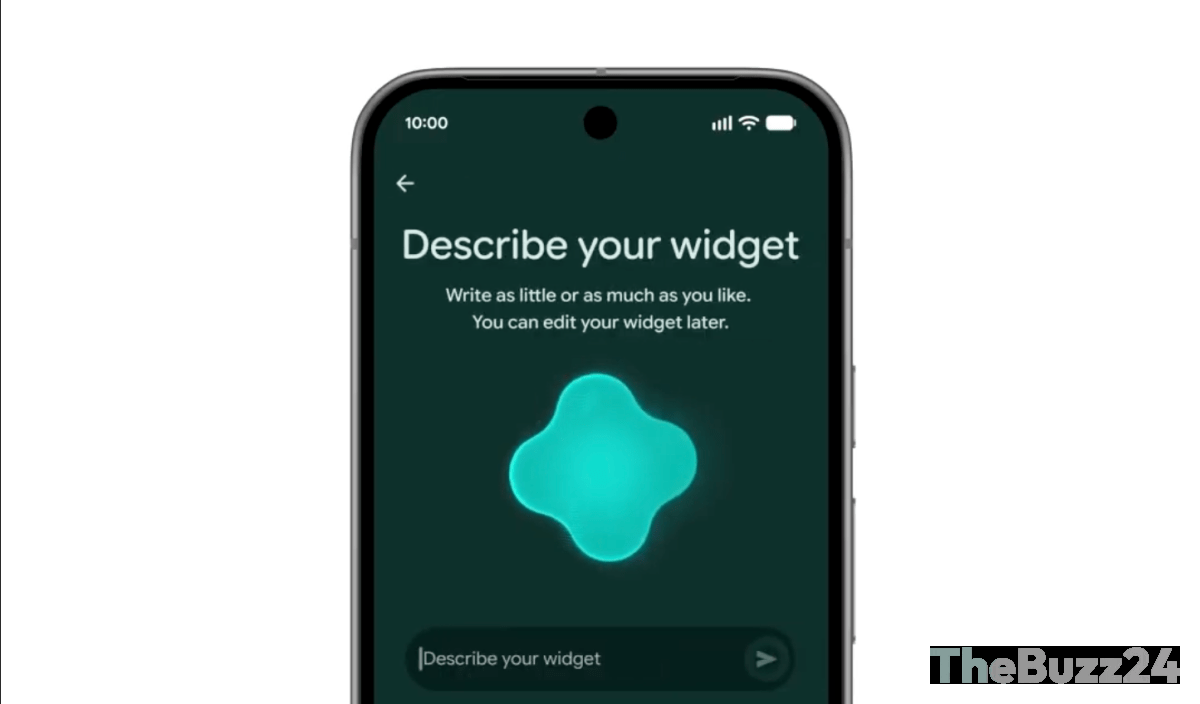
Android users are on the verge of a major interface overhaul as a new generative AI tool prepares to debut, allowing for the creation of fully custom home screen widgets. By entering simple text prompts, users can instruct the system to build functional, responsive dashboards that cater to their unique preferences. This shift moves the mobile experience away from static, one-size-fits-all widgets toward a dynamic environment that adapts to individual needs, whether for tracking niche health metrics or specialized weather patterns.
At the heart of this innovation is the Gemini AI model, which transforms these widgets into intelligent data hubs. The system excels at aggregating information from a variety of integrated services, including Gmail and Calendar, to provide a cohesive snapshot of a user’s daily life. For instance, a traveler could generate a single dashboard that pulls together real-time flight data, hotel bookings, and countdown timers, effectively eliminating the need to toggle between multiple apps to find essential information.
This integration marks a significant milestone in the evolution of the Android operating system, signaling a deeper commitment to AI-driven personalization. The feature is slated for a summer launch, with initial availability focused on Google Pixel and Samsung Galaxy hardware. Beyond the widget capabilities, the update will also bring improvements to Gboard’s voice dictation and more advanced autofill features, further refining the intuitive nature of the mobile interface.
Key Takeaways
- Android is introducing a generative AI tool that allows users to create custom home screen widgets via text prompts.
- Powered by the Gemini AI model, the widgets act as intelligent hubs that aggregate data from services like Gmail and Calendar.
- The feature will launch this summer, with priority access given to Google Pixel and Samsung Galaxy device users.
Editor’s Analysis & Impact
The introduction of generative AI-powered widgets represents a strategic pivot in mobile UI design, moving from passive information display to proactive, context-aware assistance. By allowing users to define their own widget functionality, Google is effectively lowering the barrier to entry for complex data visualization on mobile devices. This move not only increases user engagement with the Android ecosystem but also sets a new standard for how operating systems handle multitasking and information retrieval. As AI models become more deeply embedded in the OS layer, we can expect a decline in the reliance on standalone apps for simple tasks, as the ‘intelligent hub’ model becomes the primary interface for user interaction. This shift will likely force competitors to accelerate their own AI-native UI developments to remain relevant in an increasingly personalized smartphone market.
Frequently Asked Questions
Q: How do I create a widget using the new AI tool?
A: Users will be able to generate widgets by providing a simple text description of their needs, which the Gemini AI model will then translate into a functional, responsive dashboard.
Q: Which devices will receive this update first?
A: The initial rollout is prioritized for Google Pixel and Samsung Galaxy devices, with a scheduled release set for this summer.
AI Disclosure: This article is based on verified data and official reports. Our Team and AI have cross-referenced every financial detail with primary sources to ensure total accuracy.
More from this Category