Grand Canyon Operations Halted as Search Continues Following Deadly Flash Flood
The Grand Canyon is facing a critical emergency as search and rescue teams continue to look for approximately 15 individuals following a catastrophic flash flood that struck the area over the weekend. The disaster, which resulted in at least one confirmed fatality, has severely damaged the park’s primary water infrastructure, forcing officials to implement strict conservation measures and suspend overnight lodging for visitors.
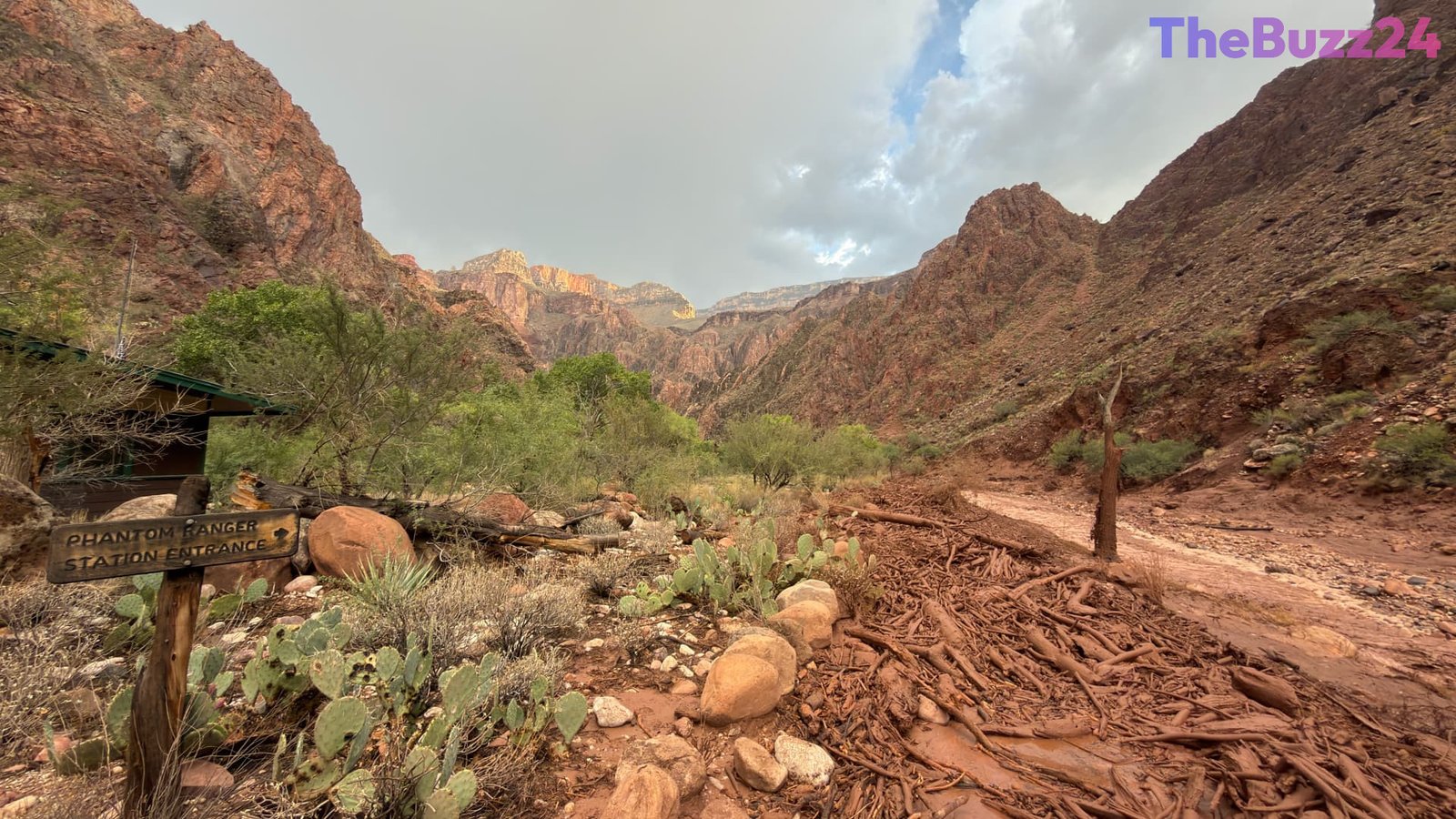
Heavy monsoon rains triggered sudden, violent torrents in Bright Angel Creek, leading to the dramatic rescue of over 60 people who were airlifted from the canyon floor. Witnesses described harrowing scenes of mudslides, falling boulders, and rapidly rising debris walls that forced hikers to scramble for higher ground. The force of the water was significant enough to destroy footbridges and permanently alter the landscape of the canyon floor.
In response to the destruction of the vital water pipeline, park authorities have halted all overnight stays for tourists to preserve remaining resources for the 1,600 permanent residents of Grand Canyon Village. While a $208 million project to modernize the aging water system is currently underway, the recent damage has created significant uncertainty regarding the timeline for repairs and the long-term stability of the park’s infrastructure. A flood watch remains in effect as saturated soil and ongoing monsoonal moisture continue to pose a high risk for further weather-related incidents.
Key Takeaways
- A flash flood at the Grand Canyon has resulted in one death and approximately 15 people remaining unaccounted for.
- The destruction of the park's main water pipeline has forced a suspension of overnight lodging for tourists.
- Over 60 individuals were successfully airlifted from the canyon floor following the sudden onset of severe weather.
Editor’s Analysis & Impact
The flash flood at the Grand Canyon highlights the extreme vulnerability of critical infrastructure within protected natural landscapes. The destruction of the water pipeline, which was already undergoing a massive $208 million rehabilitation, underscores the difficulty of maintaining essential services in remote, geologically active environments. From a market and industry perspective, this event serves as a case study in the risks associated with climate-driven extreme weather events affecting high-traffic tourism hubs. The financial burden of reconstructing such infrastructure in a protected area is immense, and the incident will likely trigger a broader debate regarding the sustainability of current visitor capacities and the necessity of more resilient, decentralized water management systems in national parks. Future operations will face increased scrutiny regarding safety protocols during monsoon seasons, potentially impacting long-term tourism revenue and park management strategies.
Frequently Asked Questions
Q: Why are overnight stays currently suspended at the Grand Canyon?
A: Overnight stays are suspended because the flash flood destroyed the park's primary water pipeline, necessitating strict water conservation to support the needs of permanent residents.
Q: Is it safe to visit the Grand Canyon during the monsoon season?
A: The monsoon season, which typically runs through the summer, significantly increases the risk of flash flooding. Visitors are advised to monitor weather forecasts closely, as conditions can change rapidly and create dangerous, life-threatening situations in narrow canyons.
AI Disclosure: This article is based on verified data and official reports. Our Team and AI have cross-referenced every financial detail with primary sources to ensure total accuracy.
More from this Category