Haleon Sees Sales Boost by Targeting GLP-1 Weight-Loss Drug Side Effects
Consumer health giant Haleon, known for brands like Advil and TUMS, is experiencing a notable surge in sales by strategically targeting the rapidly expanding market of individuals using GLP-1 weight-loss medications. The company has successfully implemented a focused approach in the United States to position its products as solutions for the common side effects associated with these popular drugs, capitalizing on their widespread adoption.
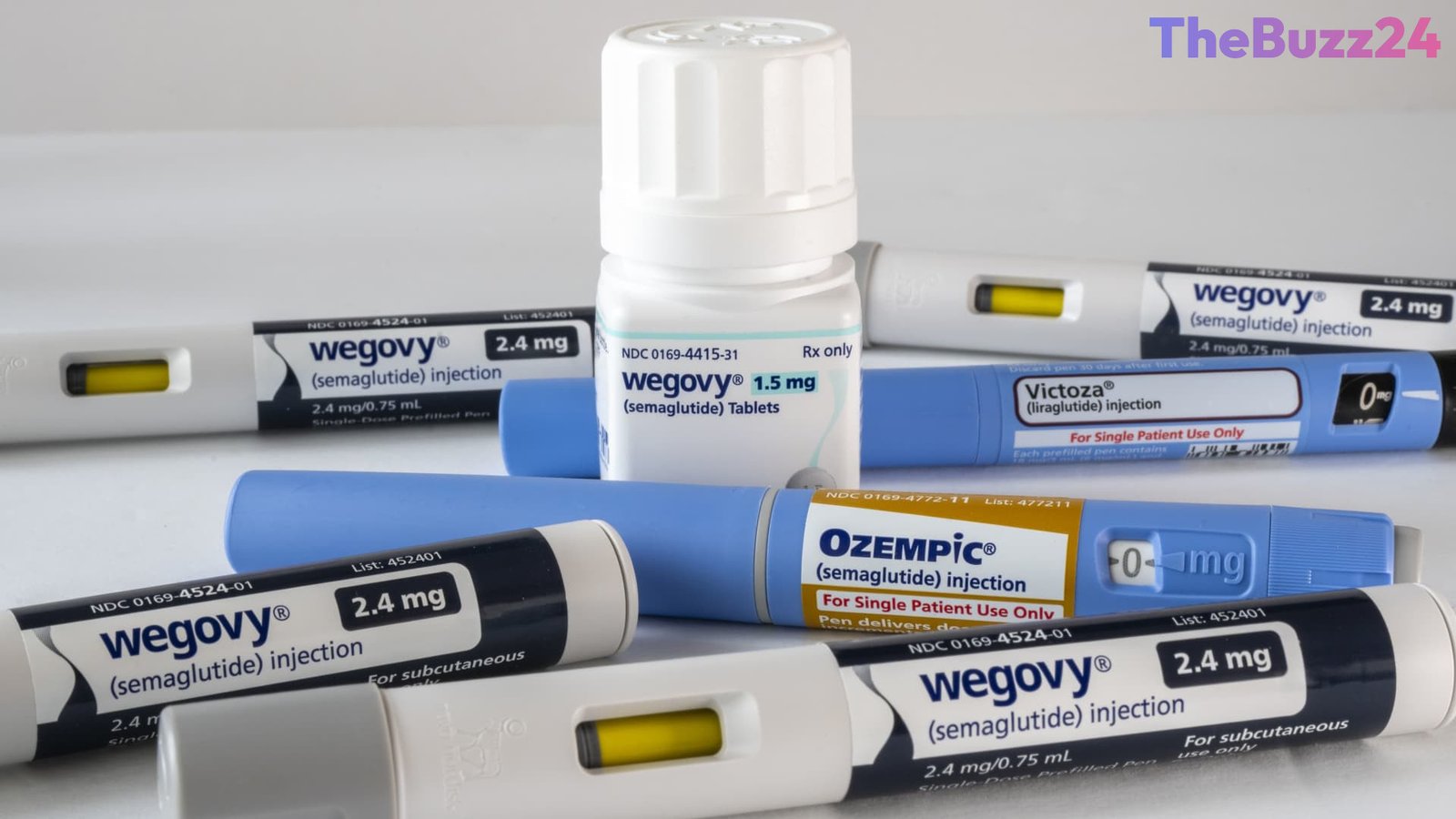
GLP-1 agonists, including Novo Nordisk’s Wegovy and Eli Lilly’s Zepbound and Foundayo, function by mimicking a natural hormone that helps users feel fuller for longer, thereby facilitating weight loss. While highly effective, these medications frequently lead to various gastrointestinal side effects such as nausea, vomiting, constipation, diarrhea, abdominal pain, and stomach cramps. Haleon’s diverse portfolio, which includes Advil for pain relief, TUMS for indigestion, and Biotène for oral care, directly addresses many of these discomforts.
To reach this specific consumer base, Haleon has partnered with major U.S. retailers, including CVS Pharmacy, to implement an innovative “dual placement” strategy. This involves stocking Haleon products in both conventional store aisles and specially curated “GLP-1 destination sets” designed for users of these weight-loss drugs. This previously unreported strategy has yielded significant results, with a Haleon spokesperson confirming an average 24% sales lift per store during the first quarter of the year. The company currently holds the majority of GLP-1 shelf space at CVS, observing that items in these dedicated sections consistently outperform those in stores without such specialized displays.
With approximately 11% of Americans now utilizing GLP-1 weight-loss medications, according to analytics firm Gallup, the market for complementary health products is substantial and growing. While CVS Pharmacy has acknowledged expanding its product assortment to help manage side effects, Haleon has also engaged in discussions with other retail giants like Walmart and Target regarding its in-store GLP-1 strategy, signaling a broader rollout of this successful approach.
Key Takeaways
- Haleon is strategically increasing sales by positioning its products to alleviate side effects commonly associated with popular GLP-1 weight-loss drugs.
- The company's "dual placement" strategy with retailers like CVS Pharmacy, featuring dedicated GLP-1 sections and regular aisles, has resulted in an average 24% sales lift per store.
- GLP-1 medications, such as Wegovy and Zepbound, are experiencing widespread adoption, creating a significant and growing market for complementary consumer health products.
Editor’s Analysis & Impact
Haleon’s proactive strategy highlights a significant emerging market trend: the creation of ancillary industries around blockbuster pharmaceutical innovations. As GLP-1 weight-loss drugs gain widespread adoption, consumer health companies are uniquely positioned to address the common side effects, turning a challenge into a lucrative opportunity. This approach could inspire other over-the-counter brands to develop targeted solutions, intensifying competition in this niche. The future outlook suggests continued growth in this segment, driven by the increasing number of GLP-1 users. This demonstrates a sophisticated market adaptation, moving beyond traditional product placement to highly targeted consumer segments, underscoring the broad economic ripple effects of new drug categories.
Frequently Asked Questions
Q: What are GLP-1 weight-loss drugs?
A: GLP-1 (Glucagon-like peptide-1) weight-loss drugs, such as Novo Nordisk's Wegovy and Eli Lilly's Zepbound, are medications that mimic a natural hormone to help individuals feel fuller for longer, thereby aiding in weight loss.
Q: What common side effects are associated with GLP-1 medications?
A: Users of GLP-1 drugs often experience gastrointestinal side effects, including nausea, vomiting, constipation, diarrhea, abdominal pain, and stomach cramps.
Q: How is Haleon capitalizing on the rise of GLP-1 drugs?
A: Haleon is strategically placing its products, such as Advil, TUMS, and Biotène, in both regular store aisles and dedicated 'GLP-1 destination sets' within major retailers like CVS Pharmacy, to directly target users seeking relief from these common side effects.
AI Disclosure: This article is based on verified data and official reports. Our Team and AI have cross-referenced every financial detail with primary sources to ensure total accuracy.
More from this Category