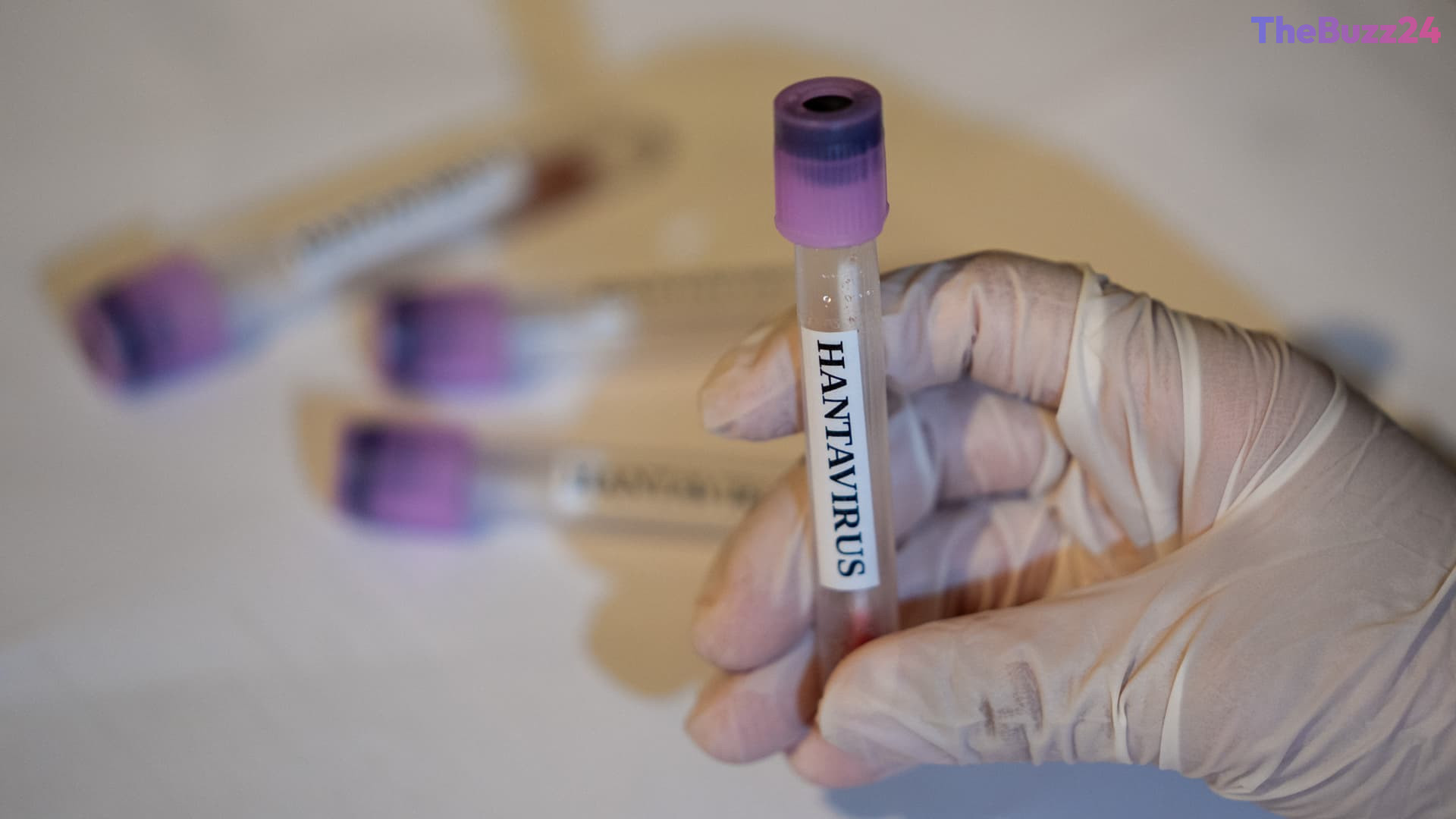
U.S. Health Officials Monitor Dozens Following International Hantavirus Outbreak
Public health authorities in the United States are currently monitoring 41 individuals for potential exposure to hantavirus following an international outbreak linked to a cruise ship. While no active cases have been confirmed within the country, officials have initiated surveillance protocols as a precautionary measure to prevent any domestic spread of the virus.
The individuals under observation include passengers who were repatriated to facilities in Nebraska and Atlanta, travelers who returned home before the outbreak was identified, and those who may have had contact with symptomatic individuals during transit. These individuals have been instructed to self-isolate for 42 days, a duration that covers the virus’s maximum incubation period, to ensure any potential symptoms are identified and managed immediately.
Globally, the situation has resulted in 11 reported cases, including eight laboratory-confirmed infections and three fatalities. Despite the severity of the incident, experts emphasize that the Andes strain of hantavirus involved in this outbreak does not typically spread easily between humans. This distinguishes it from highly contagious respiratory illnesses like influenza or COVID-19, which rely on efficient person-to-person transmission.
While the risk to the general public remains low, the ongoing monitoring serves as a critical component of national biosecurity. Health agencies continue to track the situation closely, noting that the long incubation window of the virus necessitates continued vigilance. The incident has also sparked broader discussions regarding the necessity of maintaining robust surveillance systems to detect and contain emerging infectious diseases before they can escalate into larger health crises.
Key Takeaways
- U.S. health officials are monitoring 41 people for potential hantavirus exposure, though no domestic cases have been confirmed.
- The outbreak is linked to a cruise ship incident that has resulted in 11 cases and three deaths globally.
- The Andes strain of hantavirus involved has a low risk of person-to-person transmission, unlike common respiratory viruses.
Editor’s Analysis & Impact
The current hantavirus situation highlights the persistent challenges of global travel in the context of emerging infectious diseases. While the Andes strain of hantavirus is not highly contagious, the logistical complexity of tracking passengers across international borders tests the limits of public health surveillance infrastructure. From a market and industry perspective, this incident underscores the growing demand for rapid diagnostic technologies and integrated global health data systems. As governments prioritize pandemic preparedness, we can expect increased investment in early-warning systems and quarantine protocols. The broader implication is a shift toward more stringent health screening processes in the travel and tourism sectors, which may face long-term operational adjustments to mitigate the risk of future outbreaks and maintain consumer confidence in international transit.
Frequently Asked Questions
Q: Is hantavirus easily spread between people?
A: No. Unlike viruses such as influenza or COVID-19, the Andes strain of hantavirus involved in this outbreak does not easily transmit from person to person.
Q: Why are people being monitored for 42 days?
A: The 42-day isolation period is based on the virus's maximum incubation window, ensuring that any potential infections are caught and contained before they can spread.
AI Disclosure: This article is based on verified data and official reports. Our Team and AI have cross-referenced every financial detail with primary sources to ensure total accuracy.
More from this Category