Fuel Shortages and Patriotic Displays: How the Ukraine War is Hitting Home in Russia
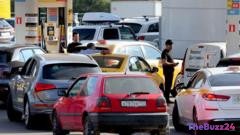
Moscow and several other Russian regions are facing severe fuel shortages, characterized by massive queues at petrol stations and empty pumps. The crisis has been triggered by a series of successful Ukrainian drone strikes targeting Russian oil refineries and storage facilities, which have severely disrupted refining capacity and domestic logistics. This disruption has forced the Russian government to take the highly unusual step of importing petrol, a striking development for one of the world’s leading crude oil exporters.
In an effort to mitigate the supply crunch, authorities have temporarily authorized the production and sale of Euro 2 petrol. This lower-grade, high-sulfur fuel was banned in Russia in 2013 due to its environmental impact and potential to damage modern vehicle engines. While the government-aligned press, including Rossiyskaya Gazeta, has warned that regular use of Euro 2 could degrade fuel injectors and catalytic converters, the measure highlights the urgency of the domestic energy crisis. Additionally, Ukrainian drone strikes have targeted other critical infrastructure, including distribution centers for the major e-commerce platform Wildberries, compounding economic disruptions.
Despite President Vladimir Putin downplaying the impact of these infrastructure attacks as having “no critical consequences,” public anxiety is reportedly on the rise. Independent analysts, including Novaya Gazeta columnist Andrei Kolesnikov, note a growing disconnect between the Kremlin’s optimistic rhetoric and the daily realities experienced by citizens, who are dealing with rising prices, fuel queues, and the audible sounds of air defense systems.
To counter domestic unease, the state has intensified patriotic messaging. Recent public celebrations, such as Russian Flag Day, have featured military hardware displays alongside traditional festivities, signaling a deeper militarization of daily life. While some citizens express a resilient, patriotic outlook, others describe a sense of powerlessness, focusing on psychological adaptation and short-term survival as the conflict continues to encroach on their daily lives.
Key Takeaways
- Ukrainian drone strikes on Russian oil refineries have caused severe domestic fuel shortages, forcing Moscow to import petrol.
- The Russian government has temporarily legalized lower-grade Euro 2 petrol to ease the crisis, despite risks of damaging modern car engines.
- Despite state-sponsored patriotic events and Kremlin efforts to downplay the situation, public anxiety is rising as the war's physical and economic impacts hit home.
Editor’s Analysis & Impact
The ongoing fuel crisis in Russia exposes a critical vulnerability in the nation’s wartime economy. Despite its status as a global energy superpower, Russia’s domestic supply chain is highly susceptible to targeted asymmetric warfare. The decision to import fuel and reintroduce low-grade Euro 2 petrol underscores the severity of the refining bottlenecks caused by Ukrainian drone strikes. Looking ahead, these disruptions are likely to drive up domestic inflation and complicate logistics for both civilian and military operations. Furthermore, the targeting of e-commerce giants like Wildberries indicates that the economic toll is expanding beyond the energy sector. While the Kremlin continues to project stability and foster patriotism through public events, the tangible domestic impacts of the conflict are eroding the public’s sense of security, forcing a shift toward short-term economic survival.
Frequently Asked Questions
Q: Why is Russia experiencing a petrol shortage?
A: The shortage is primarily driven by Ukrainian drone strikes on Russian oil refineries and distribution infrastructure, which have severely disrupted refining capacity and domestic logistics.
Q: What is Euro 2 petrol, and why is Russia using it now?
A: Euro 2 is a lower-grade, high-sulfur fuel that was banned in Russia in 2013. The government has temporarily authorized its production because it is faster to refine, helping to quickly address the current fuel deficit despite the risk of damaging modern car engines.
Q: How is the Russian public responding to these disruptions?
A: While public anxiety is rising due to fuel queues, high prices, and nearby explosions, many citizens are attempting to adapt psychologically, while the state actively promotes patriotic events and military displays to maintain morale.
AI Disclosure: This article is based on verified data and official reports. Our Team and AI have cross-referenced every financial detail with primary sources to ensure total accuracy.
More from this Category