Hawkish Signals Emerge as Federal Reserve Officials Push for Imminent Rate Hikes
Just days after the Federal Reserve opted to hold benchmark interest rates steady, senior policymakers are signaling that borrowing costs must rise soon to effectively tame persistent price pressures. St. Louis Fed President Alberto Musalem and Dallas Fed President Lorie Logan both stressed on Friday that monetary policy remains too loose given the ongoing resilience of the broader economy. Their public remarks significantly strengthen market expectations for a rate increase before the year concludes.
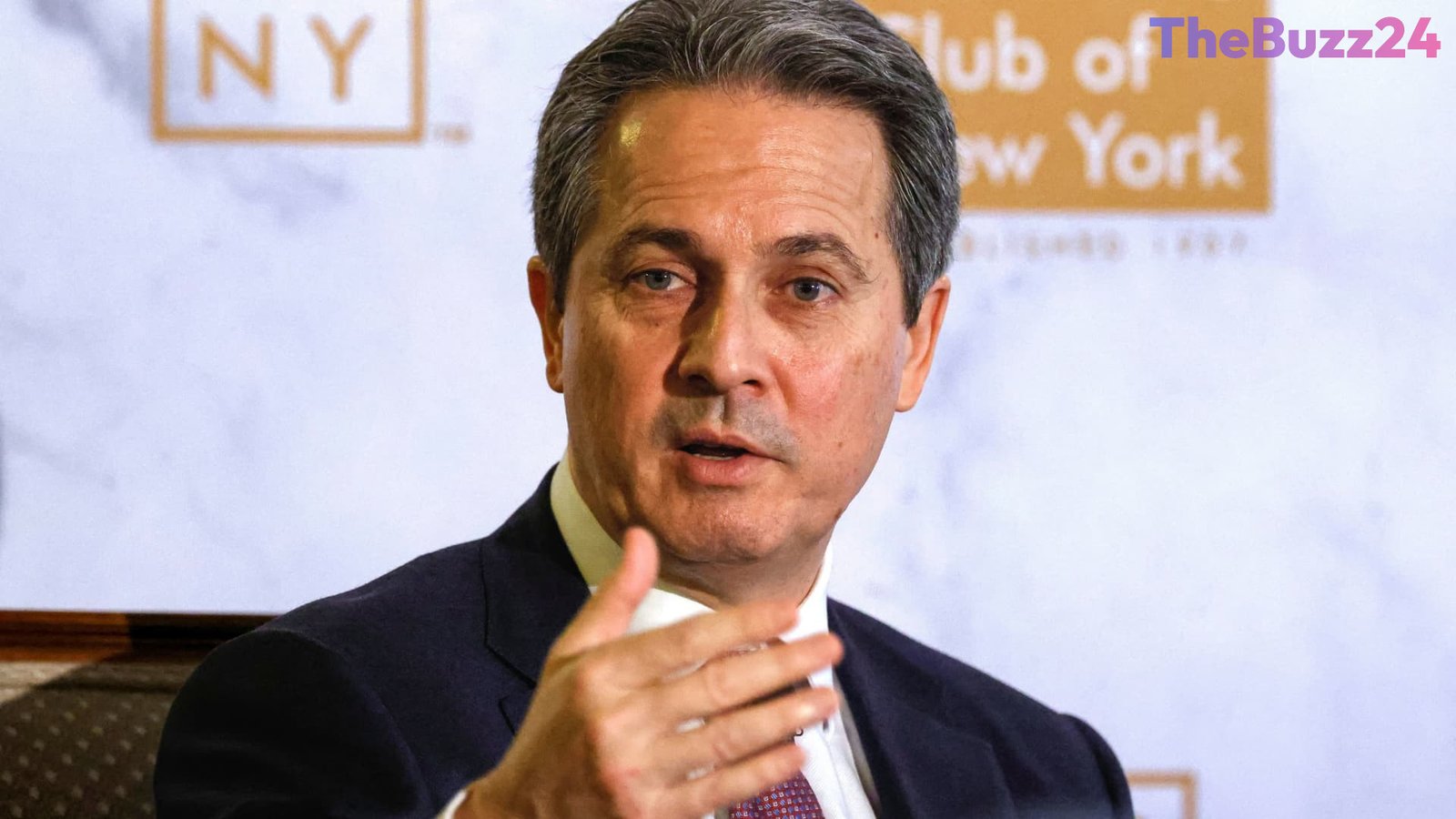
Musalem argued that immediate, measured adjustments are far preferable to severe, reactive tightening later. Speaking before a gathering of economists in New York, he emphasized that acting preemptively in smaller quarter-point increments minimizes long-term risks to the labor market and general economic momentum. Musalem highlighted robust third-quarter annualized gross domestic product growth of 3.4%, alongside an unemployment rate holding steady at 4.2%. However, with personal consumption expenditures inflation lingering stubbornly above 3%, he warned that elevated inflation risks becoming deeply entrenched unless policymakers respond decisively.
Echoing these hawkish sentiments at Davidson College, Logan projected that the Federal Open Market Committee (FOMC) will likely need to implement at least two more 25-basis-point increases. Logan, who holds a voting seat on the policy committee for the upcoming December gathering, noted that choosing not to hike at every single meeting does not alter the underlying trajectory of policy tightening. Following two additional hikes, she recommended that central bankers pause to evaluate economic data and financial market stability before mapping out their next steps.
The growing appetite for higher rates reflects deep internal divisions within the central bank. During the most recent monetary policy meeting, two committee members dissented from the decision to hold rates flat, preferring an immediate quarter-point increase. Outside observers and former policymakers have also echoed concerns over the central bank’s perceived hesitation, arguing that with core inflation hovering noticeably above the 2% target, delaying further monetary restraint poses a heightened threat to price stability.
Key Takeaways
- Federal Reserve officials Alberto Musalem and Lorie Logan have signaled that interest rate hikes must resume soon to curb persistent inflation.
- Logan anticipates at least two additional 25-basis-point rate increases, emphasizing that interim pauses do not change the ultimate path toward tighter policy.
- Despite resilient economic indicators such as 3.4% GDP growth, annual inflation hovering above 3% is driving division among policymakers regarding the urgency of hikes.
Editor’s Analysis & Impact
The public commentary from Fed officials highlights a critical pivot back toward tightening after a brief period of caution. With strong economic growth driven by heavy technological capital expenditures and steady consumer demand, the risk of a wage-price spiral or sticky core inflation remains elevated. Central bankers are wary of repeating historical policy missteps where easing or pausing too early reignited inflation expectations. Financial markets will need to recalibrate their risk models to accommodate higher-for-longer borrowing costs, which could exert renewed downward pressure on equity valuations and elevate Treasury yields into next year.
Frequently Asked Questions
Q: Why are Federal Reserve officials advocating for rate hikes now?
A: Officials are concerned that inflation remains above the Fed's 2% target, sitting near 3%, while strong economic growth and low unemployment could allow inflationary pressures to become entrenched.
Q: How many rate increases are policymakers expecting?
A: Dallas Fed President Lorie Logan indicated that the central bank likely needs to implement at least two additional quarter-point (25-basis-point) rate hikes before pausing to reassess conditions.
Q: Were there disagreements during the Fed's latest rate decision?
A: Yes, two voting members on the Federal Open Market Committee dissented against the decision to keep rates unchanged, voting instead for an immediate quarter-point rate increase.
AI Disclosure: This article is based on verified data and official reports. Our Team and AI have cross-referenced every financial detail with primary sources to ensure total accuracy.
More from this Category