High-Stakes Decoy: How a Secret Plane Swap in Turkey Protected Trump From Iranian Threat
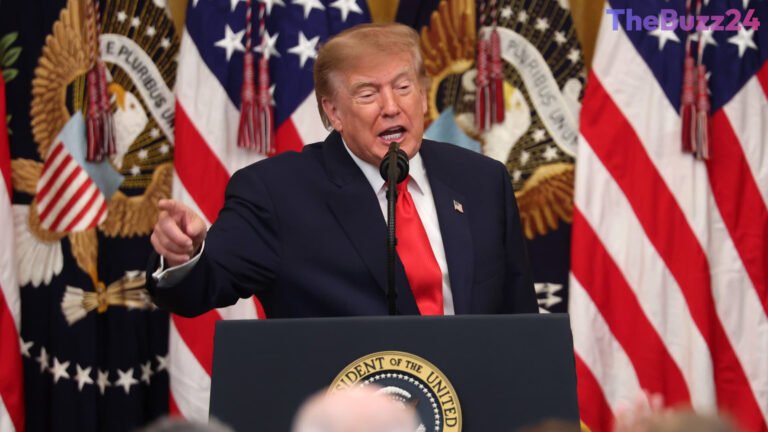
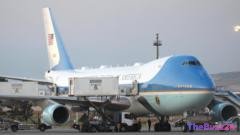
A highly sophisticated security operation was recently executed in Turkey to protect President Donald Trump from an imminent security threat. Following a NATO summit in Ankara, Trump secretly exited his primary aircraft, which then acted as a decoy, to board a separate military flight. The elaborate ruse was initiated by the U.S. military and the Secret Service after intelligence flagged a potential threat linked to Iranian operatives, including reports of a shoulder-mounted missile launcher spotted near the summit.
To maintain the illusion that the president was still aboard the original aircraft, which retained the “Air Force One” call sign, several high-ranking administration officials remained on the decoy flight. Among those left behind were Secretary of State Marco Rubio and Treasury Secretary Scott Bessent. This arrangement also served to preserve the presidential line of succession in the event of an emergency. Other key figures, including White House Deputy Chief of Staff Stephen Miller and Communications Director Steven Cheung, along with the traveling press corps, remained on the decoy plane, unaware of the swap.
Meanwhile, Trump was clandestinely transported to the secondary military transport via a catering truck. Accompanying him on the actual flight out of Ankara were Defense Secretary Pete Hegseth, Deputy Chief of Staff Dan Scavino, and other close aides. While the Secret Service frequently employs “shell games”—such as switching identical limousines or helicopters—to protect commanders-in-chief, this level of deception is rare. A similar tactic was notably used in 2000 when President Bill Clinton traveled to Pakistan on an unmarked jet while a decoy plane landed separately.
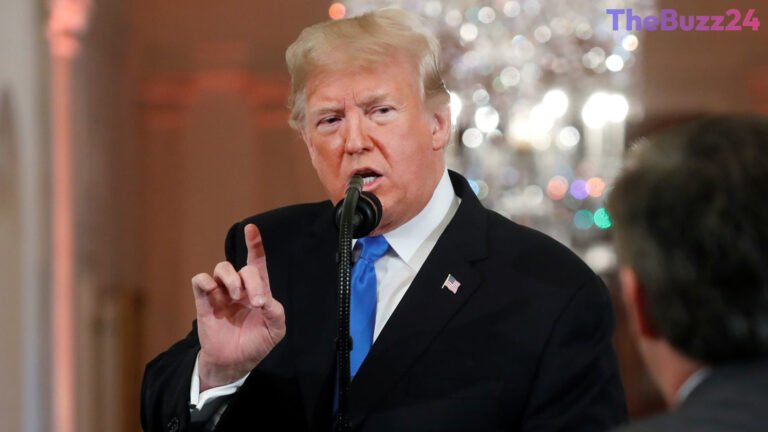
The incident has sparked internal discussions regarding the safety of the press pool and the officials who unknowingly acted as shields on the decoy aircraft. The White House Correspondents’ Association has engaged with administration officials to advocate for the safety of independent journalists and to establish clearer protocols for extraordinary security situations in the future. Trump later defended the decision, noting that the security measures were entirely directed by his protective detail due to the high volume of threats directed at his presidency.
Key Takeaways
- President Trump was secretly transferred to a secondary military plane in Turkey using a catering truck as a cover due to an active security threat.
- High-profile cabinet members, including Marco Rubio and Scott Bessent, remained on the decoy Air Force One flight to maintain the line of succession.
- The press corps and several officials were unaware they were flying on a decoy plane, prompting discussions about safety protocols for journalists.
Editor’s Analysis & Impact
This extraordinary security maneuver highlights the escalating geopolitical tensions between the United States and Iran, showcasing the extreme measures required to protect American leadership abroad. The use of cabinet-level officials and the press corps as an unwitting shield raises significant ethical and operational questions. While the Secret Service’s primary directive is the absolute protection of the president, placing key succession figures like the Secretary of State on a high-risk decoy flight could have backfired catastrophically if an attack had occurred. Moving forward, this incident will likely force a reevaluation of how the White House balances presidential security with the safety of the press and cabinet members, potentially leading to stricter protocols for international travel in hostile environments.
Frequently Asked Questions
Q: Why did President Trump switch planes in Turkey?
A: The switch was ordered by the U.S. military and Secret Service due to a credible security threat, reportedly involving Iranian intelligence and the presence of a shoulder-mounted missile launcher near the NATO summit.
Q: Who remained on the decoy plane during the flight?
A: Secretary of State Marco Rubio, Treasury Secretary Scott Bessent, White House Deputy Chief of Staff Stephen Miller, Communications Director Steven Cheung, and the traveling press pool remained on the decoy aircraft.
Q: Has a decoy plane ever been used for a U.S. president before?
A: Yes, decoy tactics are a standard part of presidential security. For example, in March 2000, President Bill Clinton flew into Pakistan on an unmarked executive jet while an official-looking decoy plane landed separately.
AI Disclosure: This article is based on verified data and official reports. Our Team and AI have cross-referenced every financial detail with primary sources to ensure total accuracy.
More from this Category