Historic FAA Ground Stop Disrupts Global Aviation After Critical System Failure
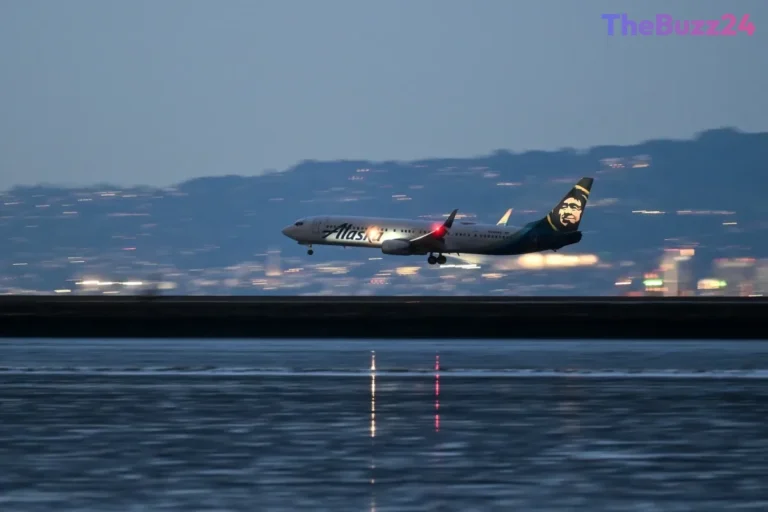
The Federal Aviation Administration (FAA) has lifted a massive nationwide ground stop that halted air travel across the United States for over four hours. The unprecedented stoppage, triggered by an extraordinary failure in key communication systems, forced the grounding of thousands of aircraft and sent shockwaves through international flight schedules. Officials confirmed that the disruption was caused by a technical overload in legacy infrastructure rather than a malicious cyber incident.
The system breakdown led to widespread travel chaos, resulting in nearly 8,000 flight cancellations and more than 8,500 delays in a single day. At the height of the outage, over 3,500 planes were airborne, forcing air traffic controllers to divert numerous flights or allow them to land under contingency protocols. Global travel networks were severely impacted as international flights bound for the U.S. from Europe, Canada, and Australia were temporarily suspended or delayed, leaving tens of thousands of passengers stranded worldwide.
Transportation Secretary Sean Duffy explained during a briefing that an outdated analogue telecommunications system became overwhelmed after new technological components were introduced. The sudden surge in data caused switches and routers to crash, affecting both primary communications and radar capabilities across all air traffic control centers. Duffy emphasized that updating the nation’s aging aviation infrastructure is urgent, estimating that a comprehensive modernization effort could cost upwards of $50 billion. Meanwhile, Homeland Security Secretary Markwayne Mullin reassured the public that passengers were never in physical danger and confirmed there was no connection to recent global IT disruptions.
Major carriers including Delta Air Lines, United Airlines, American Airlines, and JetBlue are working to clear massive backlogs, though transportation officials warn that operational recovery will take several days. Passengers affected by the outage are navigating federal consumer protection regulations. Under current aviation law, travelers facing significant delays or cancellations are entitled to full cash refunds if they choose not to rebook, while international travelers departing from regions like the UK retain rights to airline-provided meals and overnight lodging during extended disruptions.
Key Takeaways
- A nationwide FAA ground stop lasting over four hours grounded thousands of domestic and international flights due to an air traffic control system overload.
- Federal authorities ruled out a cyberattack, citing an influx of data that crashed legacy telecommunications hardware during tech updates.
- Full operational recovery across major airlines is expected to take several days, with full refund rules applying to affected passengers who decline alternative flights.
Editor’s Analysis & Impact
The recent nationwide flight grounding highlights an urgent vulnerability within critical infrastructure: the dependency of modern aviation on legacy technology systems. While passenger safety was maintained, the commercial fallout—spanning thousands of cancelled flights and severe global ripple effects—underscores the fragile balance between old hardware and modern data demands. Transportation officials estimate a $50 billion investment will be required to modernize the FAA’s telecommunications and radar systems completely. Moving forward, lawmakers will face heightened pressure to allocate federal funds to overhaul national air traffic control systems. For the airline industry, this event will likely spur renewed demands for infrastructure investment and policy updates regarding passenger compensation during regulatory system failures.
Frequently Asked Questions
Q: Was the FAA ground stop caused by a cyberattack?
A: No, federal authorities confirmed there was zero evidence of a cyberattack, attributing the outage to an analogue system overload during a technological integration process.
Q: Are passengers entitled to a full refund for flights cancelled during the outage?
A: Yes, under federal aviation rules, passengers whose flights are cancelled or significantly delayed and who choose not to accept alternative travel arrangements are entitled to a full refund.
Q: How long will it take for flight schedules to return to normal?
A: Transportation officials warn that it will take several days to fully resolve the logistical backlog caused by thousands of stranded aircraft and displaced flight crews.
AI Disclosure: This article is based on verified data and official reports. Our Team and AI have cross-referenced every financial detail with primary sources to ensure total accuracy.
More from this Category