Hong Kong Telecom Giant HKT Exits U.S. Amid Escalating National Security Concerns
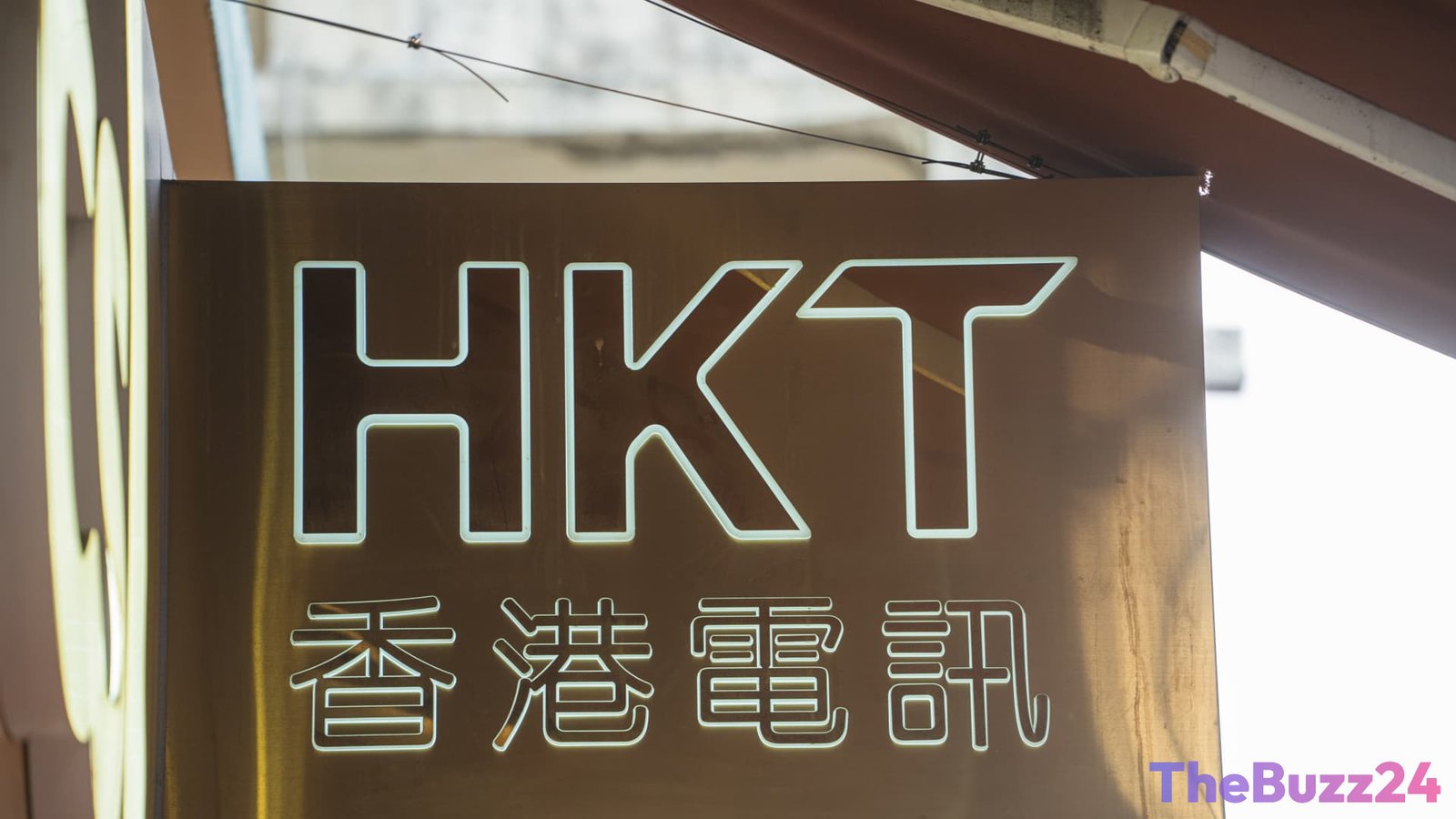
HKT, a prominent Hong Kong telecommunications provider and a subsidiary of PCCW Ltd, has agreed to discontinue its operations within the United States. This decision comes after significant pressure from the Federal Communications Commission (FCC), which cited national security concerns. The agreement mandates HKT to file an application to cease services within 30 days and to fully withdraw from the U.S. market by September 1, 2027.
The FCC had previously initiated proceedings to revoke HKT’s operating authority, primarily due to its affiliation with China Unicom, a shareholder in PCCW. This move aligns with a broader U.S. strategy to restrict Chinese telecom entities from operating domestically, a policy that has already seen China Mobile, China Telecom, and China Unicom barred from providing international telecommunications services in the U.S.
This latest development is part of an ongoing, extensive crackdown by Washington on Chinese telecommunications firms, driven by increasing concerns over potential espionage and risks to critical infrastructure. Recently, the FCC voted to prohibit all Chinese laboratories from testing U.S. electronics starting December 2028. Furthermore, the commission announced plans to soon prevent Chinese telecom firms from direct access to U.S. phone numbers and is considering measures to bar them from connecting to U.S. networks and operating data centers within the country. These actions are underscored by past incidents, such as the late 2024 revelation that a Chinese state-sponsored cyber espionage group, Salt Typhoon, allegedly stole consumer call records and infiltrated U.S. telecom infrastructure.
Beijing has consistently voiced strong opposition to these U.S. actions, denying any wrongdoing and warning of necessary countermeasures if Washington continues its unilateral approach.
Key Takeaways
- HKT will cease all U.S. operations by September 1, 2027, following pressure from the FCC over national security concerns.
- This action is part of a broader U.S. government crackdown on Chinese telecom companies, which includes bans on other major carriers and new restrictions on labs and network access.
- The U.S. cites risks of espionage and infrastructure compromise, while China denies wrongdoing and warns of potential countermeasures.
Editor’s Analysis & Impact
The withdrawal of HKT from the U.S. market signifies a deepening rift in the global telecommunications sector, driven by geopolitical tensions and national security priorities. This move will likely lead to a further balkanization of the internet and telecom infrastructure, with countries increasingly prioritizing domestic control and perceived security over open market access. For the U.S. market, it reinforces a trend of reduced competition from state-affiliated foreign entities, potentially leading to higher costs or fewer service options in some niches, but also a perceived enhancement of national cybersecurity. The broader implications suggest that companies with ties to geopolitical rivals will face intense scrutiny, impacting investment flows and operational strategies globally. Expect continued regulatory pressure and potential retaliatory measures from China, further complicating international business relations.
Frequently Asked Questions
Q: Why is HKT halting its U.S. operations?
A: HKT is halting its U.S. operations under pressure from the Federal Communications Commission (FCC), which cited national security concerns, particularly due to HKT's affiliation with China Unicom, a shareholder in its parent company, PCCW Ltd.
Q: What are the broader implications of the U.S. crackdown on Chinese telecom companies?
A: The U.S. crackdown reflects a broader strategy to protect national security from potential espionage and infrastructure risks. It implies a continued decoupling of U.S. and Chinese tech sectors, potentially leading to a more fragmented global telecommunications landscape and increased scrutiny for foreign companies with state ties.
Q: What is China's stance on these U.S. actions?
A: China has consistently denied any wrongdoing regarding espionage claims and firmly opposes the U.S. actions. Beijing has warned that it would take necessary countermeasures if the U.S. side persists in acting unilaterally.
AI Disclosure: This article is based on verified data and official reports. Our Team and AI have cross-referenced every financial detail with primary sources to ensure total accuracy.
More from this Category