Hormuz Strait Incident Ignites U.S.-Iran Tensions, Response Promised
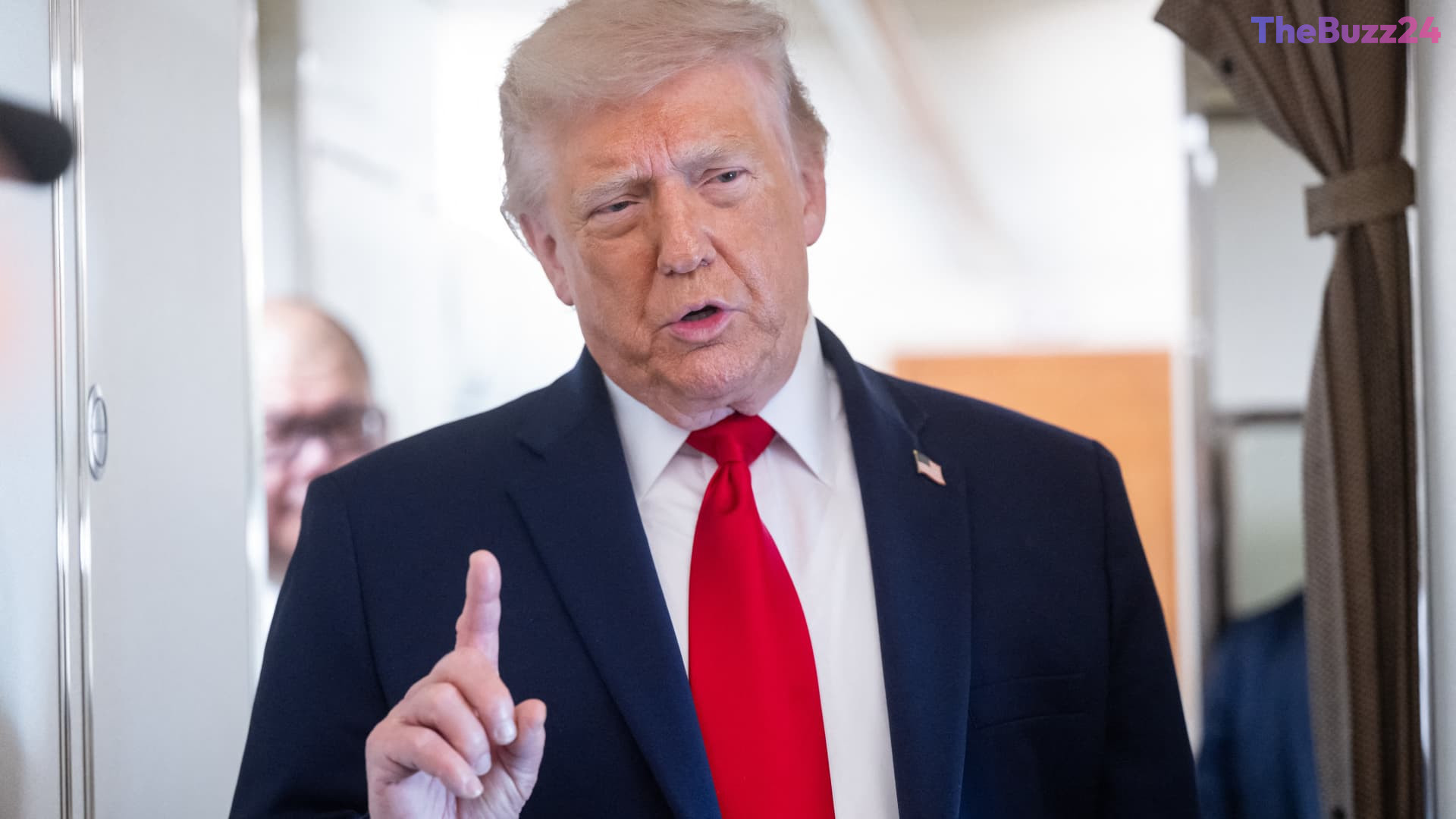
President Donald Trump has declared that the United States “must, of necessity, respond” following an incident in the Strait of Hormuz where an Apache helicopter was allegedly shot down. Trump directly accused Iran of being responsible for the attack on the U.S. military aircraft, which was reportedly patrolling the critical waterway. Despite the gravity of the accusation, the President confirmed that the two pilots involved in the incident were rescued safely and remained uninjured.
The incident quickly drew a response from Iranian officials, though none directly claimed responsibility for downing the helicopter. Iranian Foreign Minister Abbas Araghchi issued a statement noting that “Foreign forces in proximity to our territory are at constant risk on account of their own human errors, plain accidents, or potentially being caught in crossfire.” He further suggested that the “best solution is for them to leave” and emphasized Iran’s preference for diplomacy while also being fluent in “other languages.” Similarly, parliamentary speaker Mohammad Bagher Ghalibaf echoed these sentiments, warning against breaking commitments. Initially, U.S. Central Command had stated the American AH-64 Apache went down near the coast of Oman and that the incident was under investigation, without immediately attributing blame.
This escalation comes amidst a backdrop of fluctuating U.S.-Iran relations, marked by President Trump’s recent assertions that a “very, very good deal” with Tehran could be finalized within days. He had previously suggested such an agreement would prevent Iran from acquiring nuclear weapons and ensure the immediate reopening of the Hormuz Strait. However, these optimistic claims have been a recurring theme throughout the ongoing conflict, with no concrete deal yet emerging, casting doubt on the immediate prospects for de-escalation. The nature of the promised U.S. response remains unspecified, adding to the regional uncertainty.
Key Takeaways
- President Trump accused Iran of shooting down a U.S. Apache helicopter in the Strait of Hormuz and vowed a U.S. response.
- Iranian officials issued indirect warnings to foreign forces in the region, emphasizing risks and their readiness for non-diplomatic actions, without directly claiming responsibility.
- The incident escalates tensions despite President Trump's recent claims of an imminent "very good deal" with Iran, highlighting the volatile nature of U.S.-Iran relations.
Editor’s Analysis & Impact
This incident in the Strait of Hormuz significantly heightens geopolitical tensions between the U.S. and Iran, with immediate implications for global energy markets. The Strait is a crucial chokepoint for oil shipments, and any perceived instability could lead to spikes in crude prices and increased insurance costs for maritime transport. The future outlook suggests a period of elevated risk, as the nature of the promised U.S. “response” remains ambiguous, potentially leading to further military posturing or retaliatory actions. This event also casts a shadow over any prospects for diplomatic breakthroughs, contradicting recent optimistic statements about a potential deal. Broader implications include a testing of regional alliances, a challenge to international maritime security, and the persistent threat of miscalculation escalating into a wider conflict, impacting global trade and stability.
Frequently Asked Questions
Q: What is the Strait of Hormuz and why is it important?
A: The Strait of Hormuz is a narrow, strategically vital waterway connecting the Persian Gulf with the Arabian Sea and the Gulf of Oman. It is one of the world's most important chokepoints for oil transit, with a significant portion of the world's seaborne oil passing through it daily.
Q: What was the U.S. President's immediate reaction to the incident?
A: President Donald Trump accused Iran of shooting down a U.S. Apache helicopter and stated that the United States "must, of necessity, respond" to the attack, though he did not specify the form of the response.
Q: How did Iran respond to the accusations?
A: Iranian officials, including the Foreign Minister, did not directly claim responsibility but issued warnings about the risks foreign forces face near Iranian territory, suggesting that the best solution for them is to leave and indicating a readiness for non-diplomatic actions.
AI Disclosure: This article is based on verified data and official reports. Our Team and AI have cross-referenced every financial detail with primary sources to ensure total accuracy.
More from this Category