Comey Lawyers Allege Illegal Secret Service Surveillance in Trump Threat Case
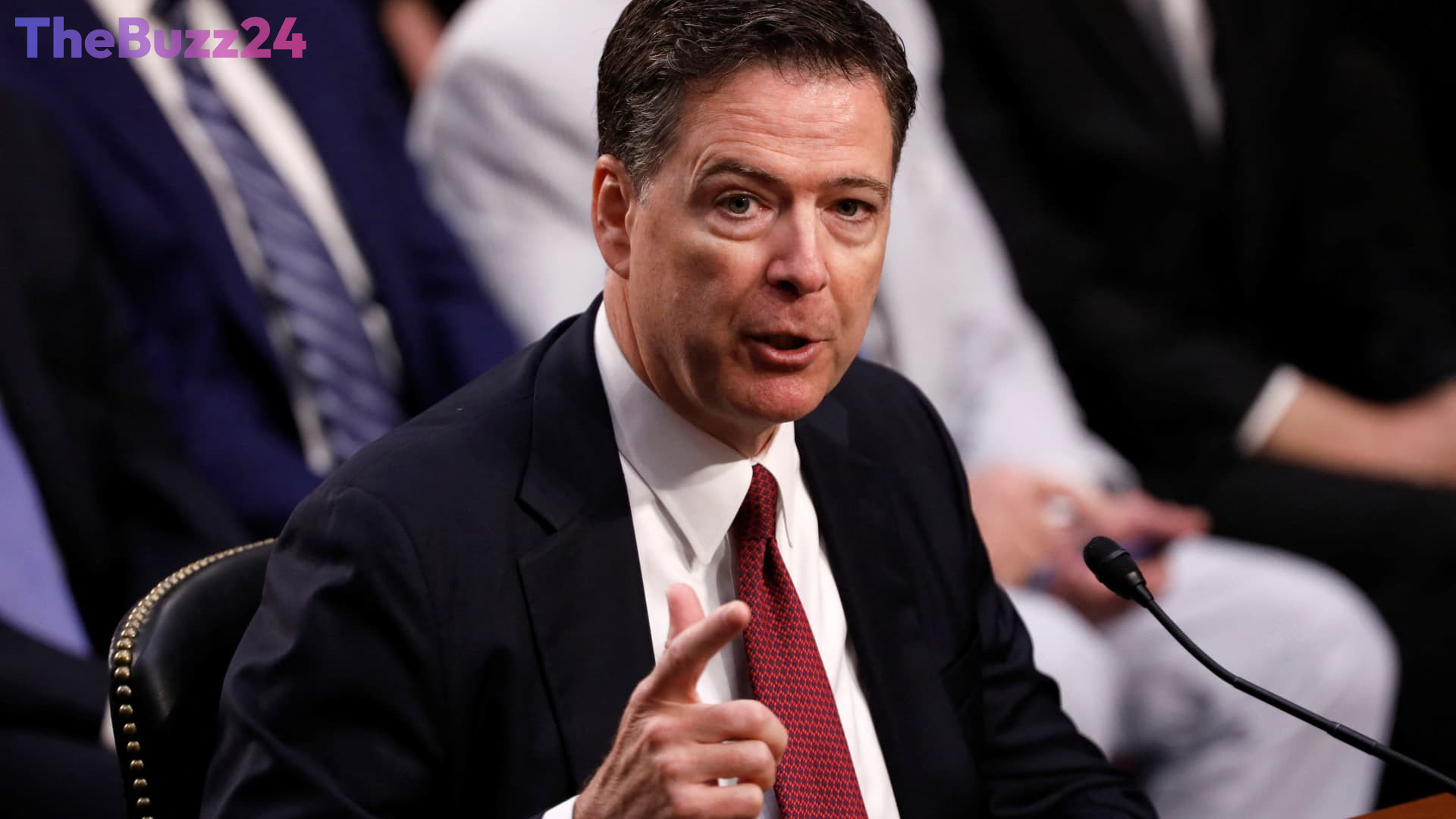
Attorneys representing former FBI Director James Comey have filed a motion requesting the dismissal of an indictment that accuses him of threatening President Donald Trump. The defense argues that the prosecution is a result of vindictive and selective targeting, further alleging that the U.S. Secret Service conducted illegal electronic surveillance of Comey at the behest of a high-ranking official.
According to a recent court filing, this alleged surveillance occurred on the same day President Trump publicly claimed Comey was issuing an “assassination” threat. This claim stemmed from a photograph Comey posted on Instagram, showing seashells arranged on a North Carolina beach to form the numbers “86 47.” The filing asserts that a Secret Service supervisor acknowledged the warrantless surveillance of Comey in May 2025 as potentially “legally questionable” but indicated it might proceed regardless.
The defense further contends that the Secret Service initiated this surveillance following a request from a “number three” official within the Department of Justice. The filing details that the surveillance extended to monitoring Comey and his wife as they traveled back to Washington, D.C., from North Carolina, even including a stop to visit the grave of their deceased son. The court document submitted to the U.S. District Court for the Eastern District of North Carolina seeks to have the April indictment dismissed, citing the grounds of vindictive and selective prosecution.
The indictment accuses Comey of threatening the president and transmitting a threat via interstate commerce through the “8647” Instagram post. Comey’s legal team stated that the Secret Service was actively coordinating with the Department of Justice and President Trump himself, providing frequent updates to Air Force One in response to direct requests from the President regarding his planned public statements on Comey’s social media activity. Notably, on the same day as the alleged illegal surveillance, the Secret Service reportedly implemented a new policy classifying the phrase “8647” as coded language for threatening the President, with “86” being a common restaurant code for an unavailable item and “47” referencing Trump’s status as the 47th president.
Key Takeaways
- James Comey's lawyers are seeking to dismiss an indictment against him, alleging vindictive prosecution.
- The defense claims the Secret Service conducted illegal electronic surveillance on Comey at the request of a high-ranking DOJ official.
- The alleged surveillance and subsequent indictment are linked to an Instagram post by Comey featuring seashells arranged as '8647'.
Editor’s Analysis & Impact
This development raises significant questions about the conduct of federal law enforcement agencies and the potential for political influence in legal proceedings. The allegations of illegal surveillance and coordination between the Secret Service, DOJ, and the President’s office, if proven, could have profound implications for public trust in these institutions. The defense’s strategy hinges on demonstrating that the indictment is not based on legitimate grounds but rather on a politically motivated effort to silence or punish Comey. The interpretation of ‘8647’ as a threat, especially with the swift implementation of a new policy, appears central to the case and will likely be heavily scrutinized. The outcome could set precedents regarding the boundaries of executive power and surveillance practices.
Frequently Asked Questions
Q: What is the '8647' reference in the case?
A: The '8647' reference comes from an Instagram post by James Comey featuring seashells arranged to form these numbers. The defense claims '86' is a restaurant code for an unavailable item, and '47' refers to Donald Trump being the 47th U.S. President. Prosecutors allege this was a coded threat, while Comey's lawyers argue it's being misinterpreted.
Q: What are the main allegations made by James Comey's legal team?
A: Comey's lawyers allege that the indictment against him is a result of vindictive and selective prosecution. They also claim the U.S. Secret Service conducted illegal electronic surveillance of Comey without a warrant, at the request of a high-ranking Department of Justice official, and in coordination with President Trump's office.
Q: What action are Comey's lawyers requesting from the court?
A: James Comey's attorneys are asking a North Carolina federal judge to dismiss the indictment against him based on the alleged vindictive and selective prosecution, as well as the claims of illegal surveillance by the Secret Service.
AI Disclosure: This article is based on verified data and official reports. Our Team and AI have cross-referenced every financial detail with primary sources to ensure total accuracy.
More from this Category