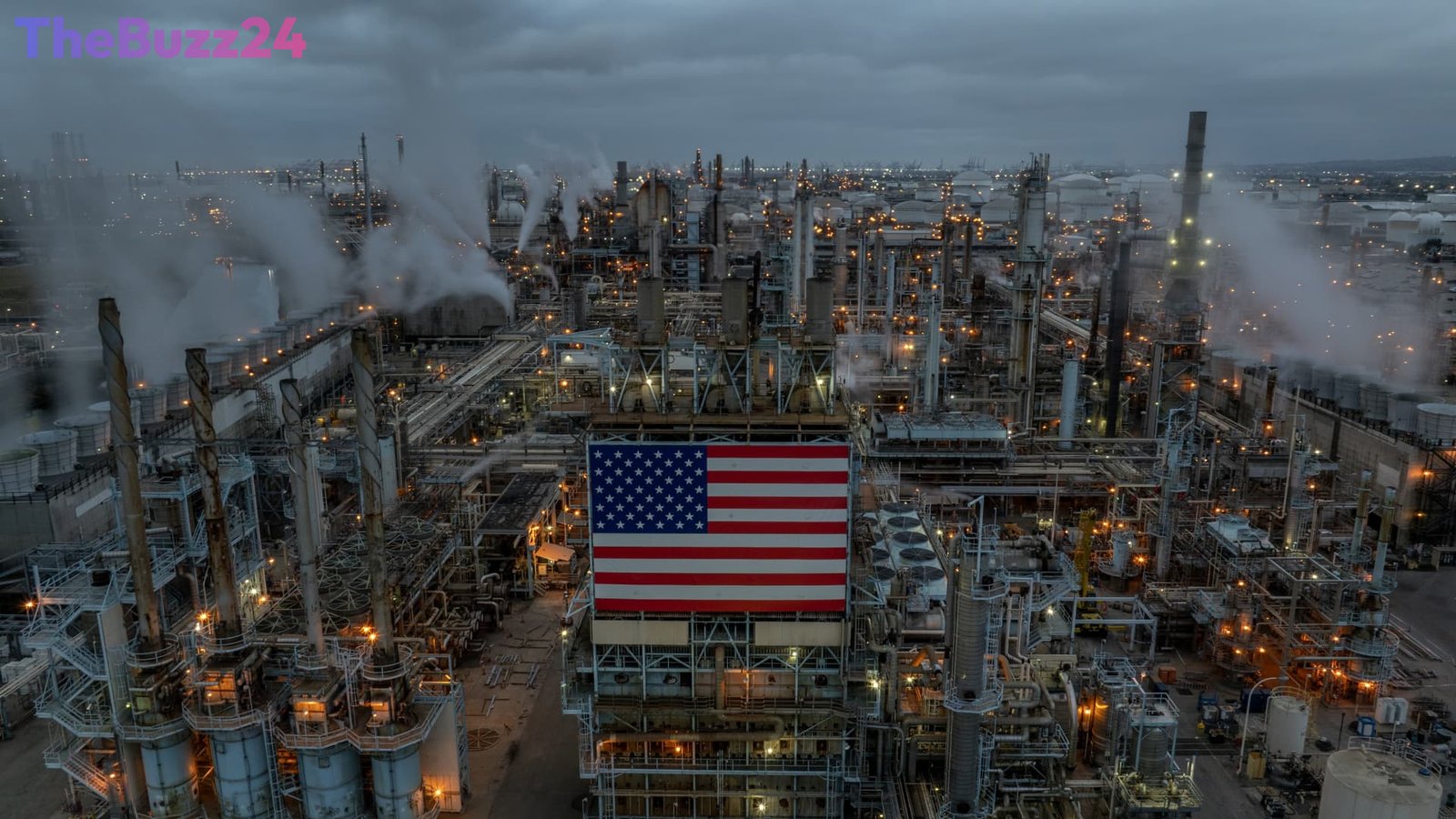
Big Oil’s Refining Profits Skyrocket Amid Global Supply Squeeze
Major oil companies, including Shell, BP, TotalEnergies, ExxonMobil, and Chevron, are reporting substantial increases in their refining and downstream earnings, a trend that has emerged following earlier criticism of high profits. These companies are capitalizing on a global market characterized by tight fuel supplies and elevated refining margins.
The surge in profitability is largely attributed to a complex interplay of geopolitical events and structural changes within the refining industry. Refinery disruptions in key regions such as Russia, stemming from Ukrainian drone strikes, and instability in the Middle East, linked to ongoing conflicts and Houthi attacks, have significantly impacted supply chains. These issues are compounded by a long-term trend of refinery closures in Europe and North America over the past two decades, which has further constrained the availability of refined products like gasoline, diesel, and jet fuel.
Corporate earnings reports this week have highlighted the significant financial gains derived from these market conditions. While Chevron does not provide a specific refining margin figure, its downstream earnings saw a more than fourfold increase year-over-year, reaching $4.9 billion. This boost is directly linked to higher margins on refined product sales, even as the company operates its facilities near full capacity to meet demand. The current profit levels are approaching those seen during the 2022 energy shock following Russia’s invasion of Ukraine, presenting a stark contrast to the higher energy prices faced by consumers.
Analysts suggest that while political interventions like releasing emergency fuel stockpiles or brokering supply deals may offer temporary relief, a sustained improvement in the market hinges on increasing overall supply, a potential decrease in demand, or a de-escalation of global tensions. The physical tightness in the market, exacerbated by reduced Russian exports and the logistical challenges of transporting crude oil, is expected to persist, with some projections indicating it could last until 2027 unless significant shifts occur in crude availability and geopolitical stability.
Key Takeaways
- Major oil companies are experiencing a significant surge in refining profits due to tight global fuel supplies and high refining margins.
- Geopolitical conflicts, refinery disruptions in Russia and the Middle East, and long-term closures in Europe and North America are key factors contributing to supply shortages.
- While profits are soaring for oil majors, consumers continue to face elevated energy prices, and market analysts suggest sustained relief depends on increased supply and easing global tensions.
Editor’s Analysis & Impact
The current earnings boom for oil refiners underscores the delicate balance of global energy markets, where geopolitical instability and structural supply constraints can lead to dramatic profit shifts. This situation highlights the vulnerability of consumers to price volatility when supply chains are disrupted. The industry’s ability to generate such substantial profits from refining, even as upstream crude oil prices fluctuate, points to the critical role of processing capacity and its impact on end-product costs. The long-term trend of refinery closures suggests that future supply crunches could become more frequent, potentially leading to sustained periods of high margins for remaining operators. This dynamic poses significant challenges for policymakers aiming to ensure energy security and affordability.
Frequently Asked Questions
Q: What is driving the surge in oil company profits?
A: The surge is primarily driven by tight global supplies of refined fuels like gasoline and diesel, coupled with elevated refining margins. This situation is exacerbated by geopolitical conflicts affecting refinery operations in Russia and the Middle East, as well as a long-term decline in refining capacity in Europe and North America.
Q: How long is the current tight supply situation expected to last?
A: Some analysts suggest that the physical tightness in the market could persist well into 2027, particularly if crude oil availability to the refining sector does not significantly increase and geopolitical tensions continue to disrupt supply chains and increase transportation costs.
Q: What impact do these high profits have on consumers?
A: While oil companies are reporting record profits, consumers are facing higher energy prices at the pump and for heating fuels. This disparity highlights the challenges in balancing market dynamics with consumer affordability and energy security.
AI Disclosure: This article is based on verified data and official reports. Our Team and AI have cross-referenced every financial detail with primary sources to ensure total accuracy.
More from this Category