Building Smarter: Can Artificial Intelligence Actually Make Construction Sites Safer?
Artificial intelligence is rapidly moving into the heavy-duty world of construction, utilities, and infrastructure management, promising to streamline operations and protect workers in hazardous environments. Software platforms like FYLD, Bentley Systems, and Ultimo are deploying machine learning models to slash administrative paperwork, automate remote asset inspections, and flag potential safety hazards before they result in accidents. By allowing field crews to log tasks using short video descriptions or by scanning maintenance logs for missed incidents, these tools aim to give supervisors real-time visibility into active worksites while drastically reducing the hours personnel spend on routine reporting.
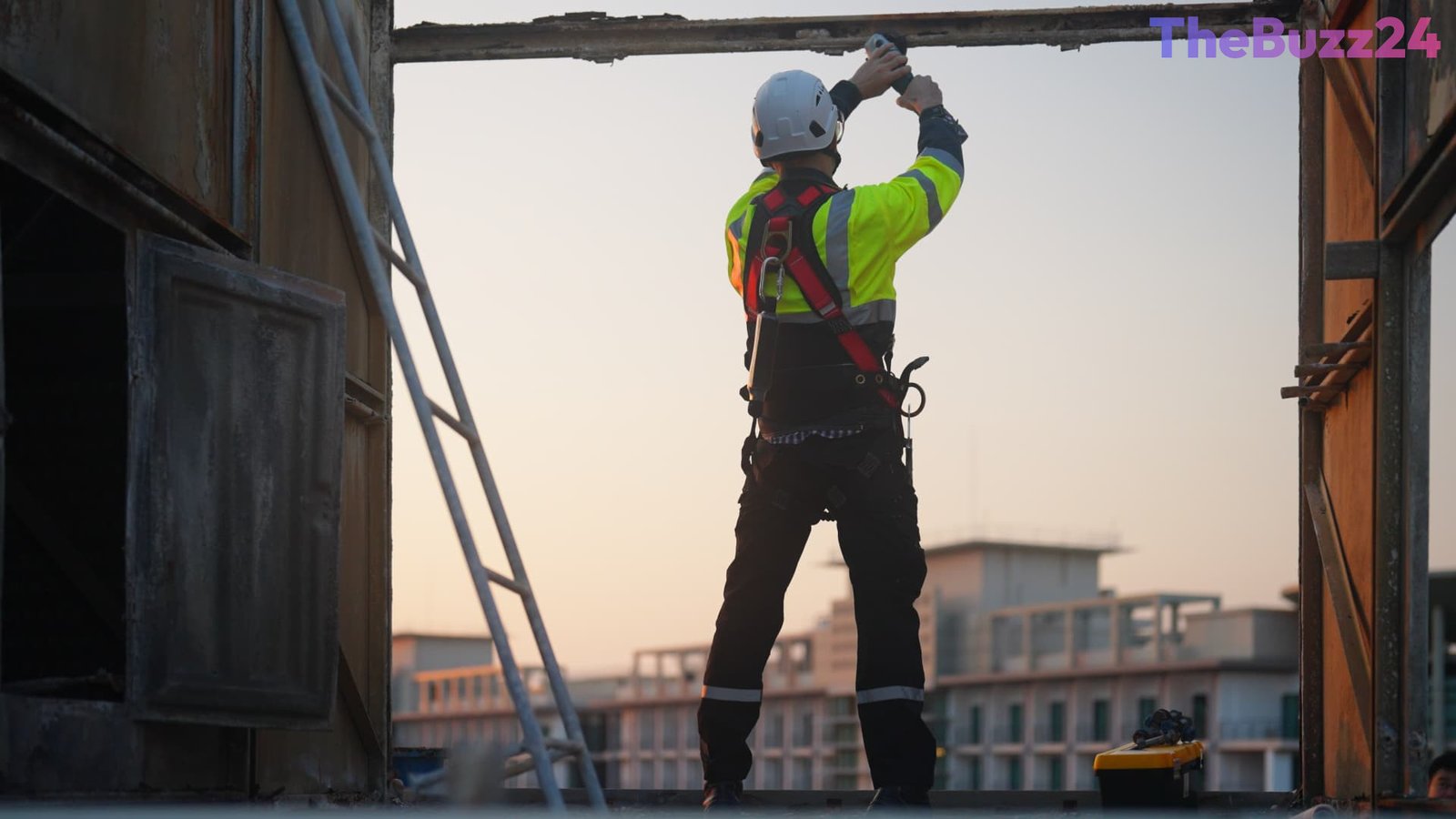
Industry vendors report promising metrics from their initial deployments. Software providers claim that some clients have experienced significant reductions in serious workplace incidents after integrating AI into their daily planning and oversight routines. Furthermore, digital twins and automated image-recognition tools—such as those used by Bentley Systems—can drastically cut down the need for physical site visits and manual surveys, keeping workers out of harm’s way by minimizing their exposure to dangerous environments. For companies struggling with persistent labor shortages and administrative bottlenecks, these technologies offer a compelling path toward greater efficiency.
However, academic researchers and safety experts urge caution, pointing out that hard evidence proving AI actively prevents injuries remains sparse. Many current studies focus heavily on what machine learning models can detect rather than their actual impact on long-term safety outcomes. Critics warn that dynamic construction environments can easily outpace camera viewfinders, and an overreliance on automated alerts could foster a false sense of security or lead to alert fatigue if false alarms become frequent. Moreover, experts emphasize that human supervision must remain central; relying on algorithms without rigorous oversight risks rubber-stamping critical safety recommendations.
Ultimately, industry leaders argue that the true measure of AI’s success in heavy labor sectors should not be how much extra work it squeezes out of employees, but whether it genuinely improves their day-to-day well-being. If time saved through automation simply translates into heavier workloads and higher quotas, workforce resistance is inevitable. Companies must carefully evaluate their deployment strategies, treating artificial intelligence as a supportive tool rather than a replacement for experienced safety professionals and human judgment.
Key Takeaways
- Artificial intelligence is being deployed across construction and infrastructure sectors to automate paperwork, predict permit needs, and streamline remote site inspections.
- Software providers report major drops in worksite incidents and up to 70% reductions in manual surveys through the use of digital tools and machine learning.
- Researchers and academic experts warn that concrete evidence proving AI directly prevents workplace injuries is still limited, urging caution against overreliance.
Editor’s Analysis & Impact
The integration of artificial intelligence into heavy industries like construction and infrastructure represents a significant operational shift, moving digital transformation from back-office financial forecasting to front-line physical labor. While the market appetite for efficiency-driving software is robust—proven by enterprise adoption across major service providers—the technology’s value proposition regarding worker safety remains under scrutiny. In the near term, we can expect software developers to focus heavily on proving long-term safety metrics rather than just productivity gains to overcome skepticism from academic researchers and labor groups. For industry stakeholders, the ultimate success of these tools will depend on striking the right balance between automation and human oversight, ensuring that freed-up time is reinvested into safety and quality of life rather than simply expanded workloads.
Frequently Asked Questions
Q: How are construction and infrastructure companies currently using artificial intelligence?
A: Companies are using AI platforms to predict necessary project permits, plan around weather conditions, analyze short video logs from workers to spot safety hazards, and automate administrative reports that traditionally consumed hours of field time.
Q: What are the primary concerns researchers have about AI on construction sites?
A: Researchers note that existing studies mostly measure what AI models can detect rather than whether they actually prevent injuries. Concerns also include the risk of false alarms causing workers to ignore warnings, potential overreliance creating a false sense of security, and the difficulty cameras face in tracking constantly changing worksites.
Q: Can AI completely replace human supervisors in industrial safety?
A: No. Experts emphasize that artificial intelligence should be treated strictly as an extra pair of eyes to assist human oversight, not as a replacement for experienced supervisors who must critically evaluate safety data and recommendations.
AI Disclosure: This article is based on verified data and official reports. Our Team and AI have cross-referenced every financial detail with primary sources to ensure total accuracy.
More from this Category