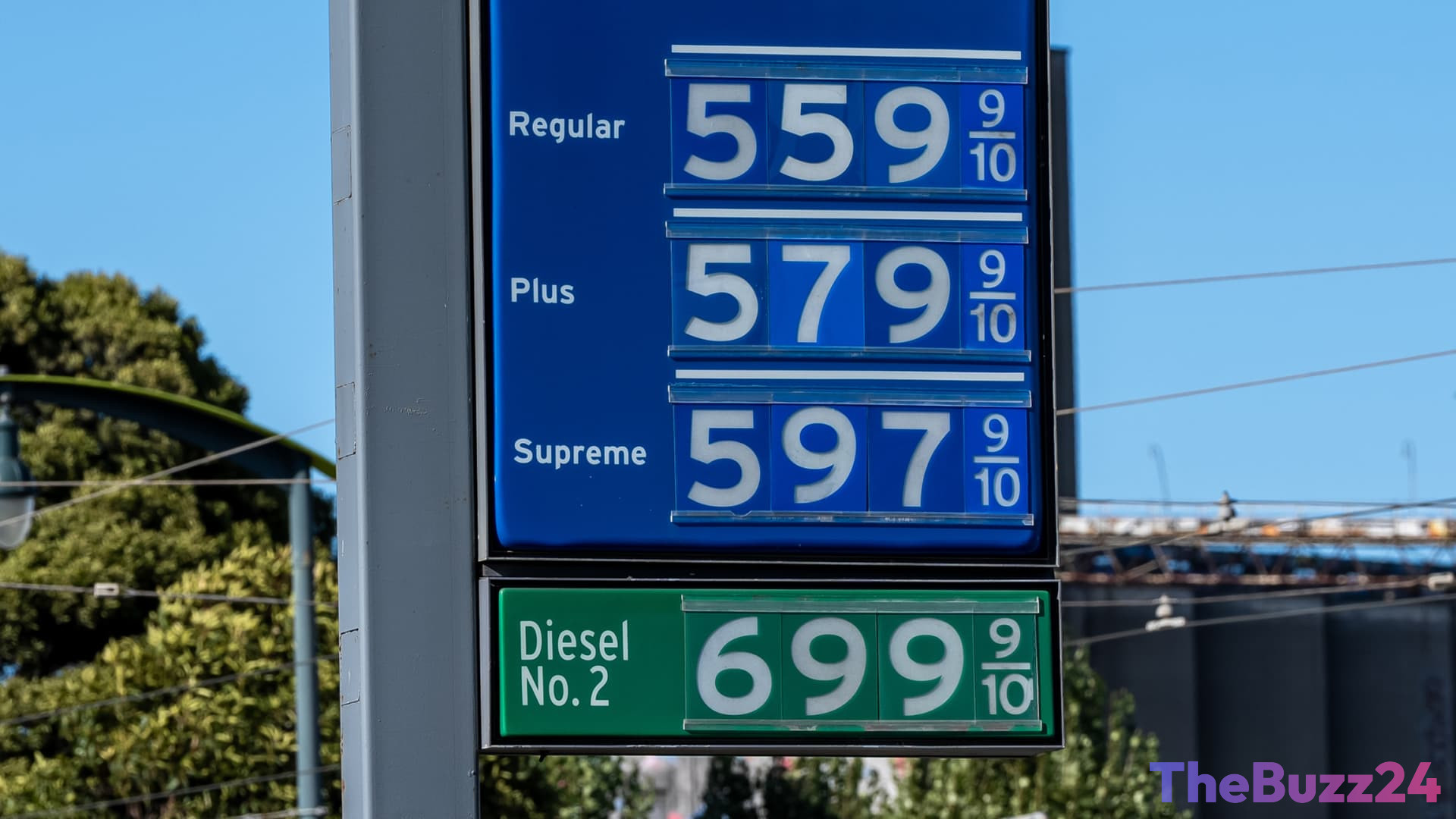
How California’s Skyrocketing Diesel Prices Are Driving Up Costs Across America
California is home to the highest fuel prices in the United States as well as the busiest container port complex in the nation. As geopolitical tensions in the Middle East enter their sixth month and petroleum product prices remain elevated, consumers across the country could soon face higher price tags on a wide variety of everyday products. Nearly one-third of all container imports and exports travel through the San Pedro Bay port complex. Before these goods can reach store shelves nationwide, they must first be hauled by trucks and trains operating on California’s expensive fuel.
While much of the global focus has centered on crude oil, energy experts warn that the markets for refined petroleum products are actually much tighter, particularly when it comes to diesel. The ongoing conflict involving Iran, coupled with Ukrainian drone strikes on Russian refining infrastructure, has left the global market short of roughly 8% of its diesel demand. ExxonMobil CEO Darren Woods noted that these refining challenges are likely to persist globally for some time. Even if key shipping straits reopen to allow product flow, the loss of Russian capacity and uncertainty surrounding Chinese export volumes will continue to strain global supplies.
Diesel is widely considered the workhorse of the American economy, powering the vast network of trucks and trains that transport goods coast to coast. Although the United States is the world’s largest energy producer, California’s domestic fossil fuel industry has steadily shrunk over the years as local refineries have closed. Furthermore, the state lacks major fuel pipelines connecting it to other energy-producing regions of the country and enforces strict environmental regulations, both of which drive up prices at the pump. Currently, the average price for a gallon of diesel in California stands at $6.92, up significantly from $5.10 before the conflict, compared to a national average of $5.36.
Because a substantial portion of the American supply chain relies on West Coast logistics, these elevated fuel prices inevitably ripple through the entire economy. The high cost of diesel directly impacts freight rates and transportation margins, ultimately increasing the delivered cost of goods for consumers nationwide.
Key Takeaways
- California's diesel prices have surged to $6.92 per gallon, significantly higher than the national average of $5.36, driven by geopolitical conflicts and local infrastructure limits.
- Nearly one-third of all U.S. container imports and exports pass through California's San Pedro Bay port complex, meaning local fuel costs directly impact national supply chains.
- A combination of the conflict with Iran and disruptions to Russian refining capacity has left the global market short of approximately 8% of its diesel demand.
Editor’s Analysis & Impact
The current diesel crisis highlights the extreme vulnerability of the modern global supply chain to localized energy shocks. California’s strict environmental policies and lack of pipeline connectivity have effectively turned the state into an energy island. When global events—such as the conflict with Iran and Ukrainian strikes on Russian infrastructure—squeeze refining capacity, California’s prices spike immediately. Because the San Pedro Bay ports are the primary gateway for American imports, these localized fuel hikes act as a hidden tax on the entire U.S. economy. Looking ahead, unless global refining capacity recovers or domestic distribution infrastructure is improved, consumers nationwide should prepare for sustained inflationary pressure on everyday goods. This situation may also accelerate the logistics sector’s transition toward alternative energy sources, though such a shift will take years to materialize.
Frequently Asked Questions
Q: Why are diesel prices so much higher in California compared to the rest of the U.S.?
A: California faces unique challenges, including a shrinking local refining sector, strict environmental regulations, and a lack of major interstate pipelines to import cheaper fuel from other regions.
Q: How do California's fuel prices affect consumers in other states?
A: Nearly 30% of U.S. imports and exports pass through California ports. Because these goods are transported inland by trucks and trains that must refuel in California, the high fuel costs are added to the final price of products nationwide.
Q: What global factors are contributing to the current diesel shortage?
A: The ongoing conflict with Iran and military strikes on Russian oil refineries have severely tightened global refining capacity, resulting in an estimated 8% deficit in global diesel supply.
AI Disclosure: This article is based on verified data and official reports. Our Team and AI have cross-referenced every financial detail with primary sources to ensure total accuracy.
More from this Category