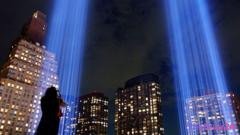
How Generation Z Discovered the Reality of the September 11 Attacks
As decades pass since the tragic events of September 11, 2001, a growing demographic of young adults has emerged with no direct, conscious memory of the day that fundamentally transformed American society, security, and global politics. Members of Generation Z, born between 1997 and 2012, inhabit a world shaped entirely by the post-9/11 landscape, yet their introduction to the historical catalyst itself typically came years later through fragmented classroom lessons, family anecdotes, and independent digital discovery.
Unlike older generations who watched the tragedy unfold in real time on television or experienced the palpable shock in public spaces, young adults today often carry vivid, highly personal memories of the moment they first learned about the attacks. For many, these early realizations were marked by emotional accounts from parents or teachers struggling to explain complex geopolitical violence to children. Whether through stumbling upon historical footage on the internet, hearing firsthand narratives from relatives who lived near New York City, or undertaking independent research during their teenage years, Gen Z’s comprehension of the event evolved gradually from abstract historical dates into deeply harrowing realizations.
Educational approaches across the United States have remained decentralized, with state requirements and curricula varying wildly regarding how—or even if—the attacks are formally taught in classrooms. This lack of standardized education has often left young people to piece together the broader context on their own, prompting many to delve deeper into the socio-political aftermath, including the subsequent wars and the rise of domestic Islamophobia. At the same time, academic spaces observing this demographic note a persistent curiosity among university students, alongside a documented generational tendency to deflect heavy anxieties through internet humor and dark comedy.
Ultimately, educators and historians emphasize that grasping the gravity of September 11 remains essential for comprehending contemporary global dynamics. As time distances society further from the first major catastrophe of the 21st century, bridging the gap between historical memory and younger generations ensures that the profound structural and emotional impacts of the tragedy continue to be critically examined and understood.
Key Takeaways
- Generation Z members, born between 1997 and 2012, have no direct, first-hand memory of the September 11 attacks and learned about them years later.
- US school requirements for teaching 9/11 vary significantly by state, leaving many young people to rely on family anecdotes and independent research.
- Educators note that despite a generational tendency to use humor as a coping mechanism, young adults maintain a strong academic and personal curiosity about the event's lasting global impact.
Editor’s Analysis & Impact
The generational shift in how historical trauma is perceived, taught, and processed presents both a challenge and an opportunity for educators and media institutions. As the living memory of September 11 transitions entirely into the realm of history books and digital archives, society must adapt its communicative strategies to resonate with a demographic that processes global anxiety through digital mediums and dark humor. Understanding this psychological distance is crucial for institutions aiming to maintain historical continuity without alienating younger audiences. Furthermore, the sustained high demand for university-level courses on the topic indicates that Gen Z is not indifferent to history, but rather seeks a deeper, more nuanced analytical understanding of how past geopolitical shocks dictate their present reality.
Frequently Asked Questions
Q: How do members of Generation Z typically learn about 9/11?
A: Most Gen Z individuals learned about the attacks years after they occurred, typically through personal accounts from parents or teachers, elementary school discussions, and independent research during their adolescence.
Q: Are US schools required to teach students about the September 11 attacks?
A: There is no national requirement in the US; educational mandates vary by state. Roughly half of the states require public schools to teach the events of 9/11, while others leave instruction optional or without a specified curriculum.
Q: Why do some young adults use humor when discussing 9/11?
A: Historians and sociologists suggest that younger generations often utilize humor as a coping mechanism to process monumental tragedies and manage the heavy global anxieties associated with historical events they did not directly experience.
AI Disclosure: This article is based on verified data and official reports. Our Team and AI have cross-referenced every financial detail with primary sources to ensure total accuracy.
More from this Category