How Red Lobster’s ‘Endless Shrimp’ Deal Became a Financial Disaster: Lawsuit Targets Former Owner Thai Union
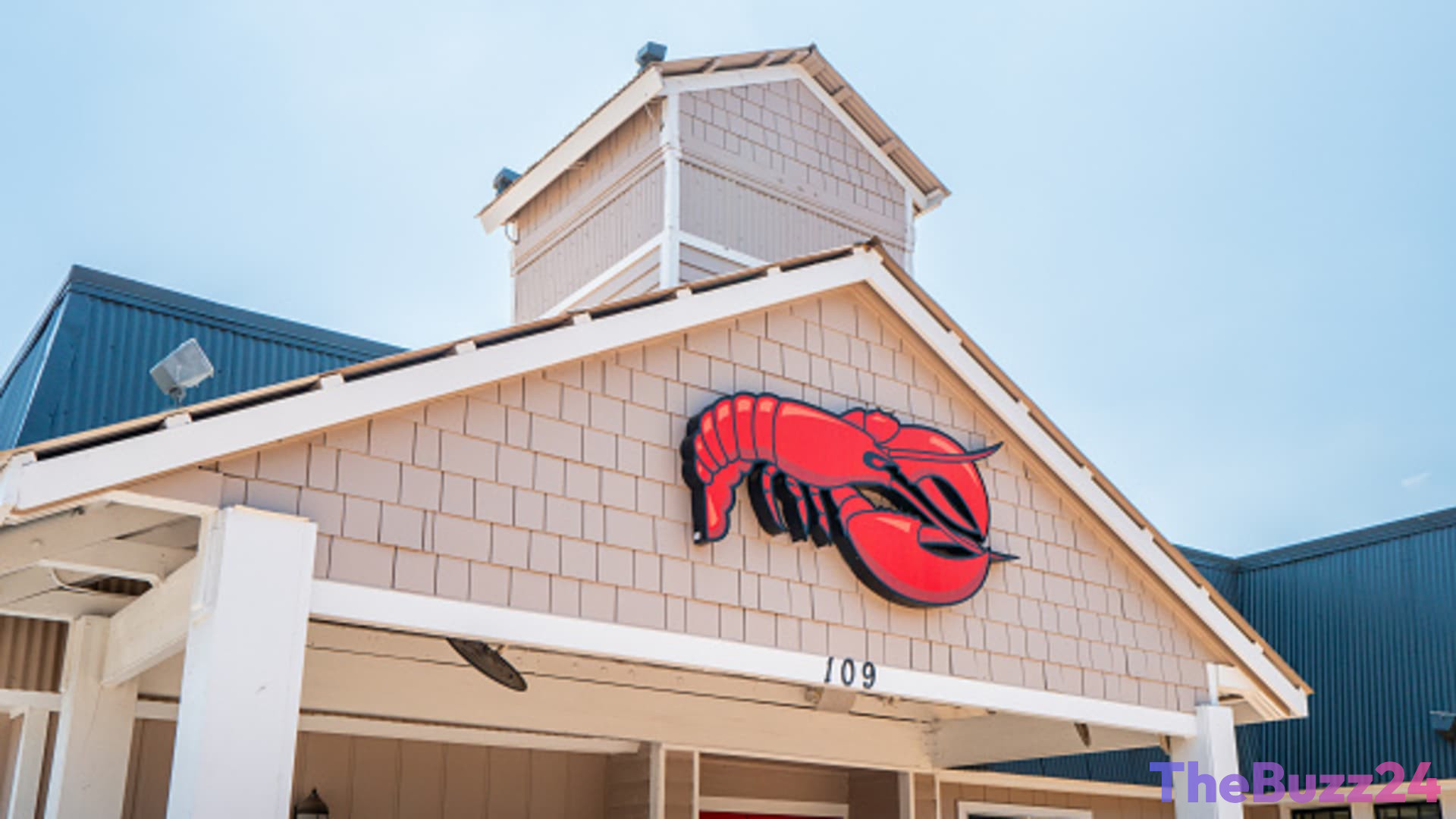
A legal battle has erupted over the financial collapse of Red Lobster, with creditors pointing fingers at the restaurant chain’s former majority shareholder, Thai Union. A lawsuit filed in Orange County, Florida, characterizes the infamous “Everyday $20 Ultimate Endless Shrimp” promotion as a “car crash” that pushed the iconic seafood chain into insolvency. The suit alleges that Thai Union leveraged its control to exploit Red Lobster as a captive buyer for its own seafood products, prioritizing its own profits over the restaurant’s financial health.
According to the legal filing, Thai Union and former interim CEO Paul Kenny pushed through the endless shrimp promotion despite strong objections from Red Lobster’s internal management. The lawsuit claims Thai Union forced the chain to purchase massive quantities of shrimp at above-market rates while blocking cheaper competitors. This strategy reportedly backfired operationally, leaving restaurants overwhelmed, short on supply, and unable to turn tables efficiently. Even as the promotion severely damaged Red Lobster’s balance sheet, Kenny allegedly extended the deal, leaving the chain with a massive oversupply of overpriced inventory.
The financial strain culminated in Red Lobster defaulting on a $275 million loan from Fortress Investment Group in late 2023, followed by a Chapter 11 bankruptcy filing in May 2024. During this period, numerous locations across the United States were shuttered. Thai Union, which first invested in Red Lobster in 2016 and took majority control in 2020, divested its stake during the bankruptcy proceedings without contributing restructuring capital. Red Lobster eventually emerged from bankruptcy in September 2024 under the ownership of RL Holdings, an investment group led by Fortress.
Key Takeaways
- Creditors have filed a lawsuit accusing former majority owner Thai Union of using Red Lobster to dump overpriced shrimp, describing the $20 endless shrimp deal as a financial 'car crash.'
- The lawsuit alleges that former interim CEO Paul Kenny ignored internal warnings and extended the promotion to benefit Thai Union's supply business at the expense of the restaurant chain.
- Red Lobster defaulted on a $275 million loan and filed for Chapter 11 bankruptcy in May 2024, eventually emerging under new ownership by RL Holdings in September 2024.
Editor’s Analysis & Impact
The legal battle between Red Lobster’s creditors and Thai Union highlights a classic conflict of interest in vertically integrated corporate structures. When a supplier gains controlling interest in a retail or restaurant brand, the temptation to prioritize supply-side margins over retail profitability can lead to catastrophic operational failures. The ‘Endless Shrimp’ debacle serves as a cautionary tale for the casual dining industry, demonstrating how aggressive, low-margin promotions can destroy brand equity and operational capacity when decoupled from realistic supply chain economics. Moving forward, Red Lobster’s new owners, RL Holdings, face the steep challenge of rebuilding consumer trust and stabilizing operational costs. This case may also prompt stricter regulatory and investor scrutiny regarding self-dealing and fiduciary duties in private equity and corporate acquisitions within the food and beverage sector.
Frequently Asked Questions
Q: Why is Red Lobster's former owner being sued?
A: Thai Union is being sued by Red Lobster's creditors for allegedly forcing the restaurant chain into uneconomic contracts to buy overpriced shrimp, which ultimately contributed to the chain's bankruptcy.
Q: What role did the 'Ultimate Endless Shrimp' promotion play in the bankruptcy?
A: The $20 promotion was allegedly pushed by Thai Union to increase shrimp sales. However, it overwhelmed restaurants, caused supply shortages, and severely damaged Red Lobster's profit margins, leading to a 'car crash' financial situation.
Q: Who owns Red Lobster now?
A: Red Lobster exited Chapter 11 bankruptcy in September 2024 and is currently owned by RL Holdings, a private investor group led by Fortress Investment Group.
AI Disclosure: This article is based on verified data and official reports. Our Team and AI have cross-referenced every financial detail with primary sources to ensure total accuracy.
More from this Category