Hungary Suspends State Media Operations to Dismantle Orban-Era Propaganda
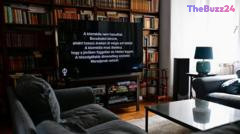
Hungary’s public media landscape underwent a dramatic transformation this week as the nation’s primary television channel, M1, and the state-run Kossuth radio station abruptly halted news broadcasts. The suspension, which left viewers with a stark message on black screens declaring that public media should no longer propagate falsehoods, marks a significant shift in the country’s approach to state-funded journalism.
This move follows the recent election of Prime Minister Péter Magyar, who campaigned on a platform of dismantling the media apparatus established during the 16-year tenure of his predecessor, Viktor Orbán. Magyar has characterized the suspension as a necessary step to purge the state media of systemic bias and restore public trust. The channels are expected to remain offline or operate in a limited capacity while a new editorial team is assembled to oversee a transition toward independent reporting.
While the government frames the overhaul as a restoration of press freedom, the decision has drawn sharp criticism from the opposition. Former Prime Minister Viktor Orbán condemned the action as an act of political tyranny, urging his supporters to turn to alternative, party-aligned media outlets. Despite this pushback, the administration remains committed to its goal of establishing a new broadcast authority designed to ensure that public media serves the interests of the citizenry rather than the political agenda of the ruling party.
Key Takeaways
- Hungary has suspended its primary state-run TV and radio news broadcasts to undergo a complete editorial overhaul.
- The move is part of Prime Minister Péter Magyar’s campaign promise to end the 'propaganda' era associated with former leader Viktor Orbán.
- The government plans to replace existing editorial teams with new staff to ensure future broadcasts are independent and trustworthy.
Editor’s Analysis & Impact
The suspension of Hungarian state media represents a high-stakes gamble in the realm of democratic reform. By effectively ‘resetting’ the state broadcaster, the current administration is attempting to reverse years of institutionalized bias, a move that carries significant risks regarding the perception of state control. While the goal of fostering independent journalism is laudable, the abrupt nature of the shutdown and the replacement of editorial staff will likely be scrutinized by international observers for signs of a new, albeit different, form of political influence. The long-term success of this initiative depends on whether the new broadcast authority can establish genuine editorial independence or if it will simply replace one partisan narrative with another. This development serves as a critical case study for nations grappling with the legacy of state-controlled media and the challenges of restoring public trust in institutional journalism.
Frequently Asked Questions
Q: Why were the Hungarian state media channels suspended?
A: The channels were suspended to facilitate a complete overhaul of the editorial team and to end what the current government describes as years of state-sponsored propaganda.
Q: What is the government's long-term plan for these media outlets?
A: The government intends to reform the outlets to ensure they are independent and trustworthy, overseen by a newly formed broadcast authority.
Q: How has the opposition reacted to this decision?
A: Former Prime Minister Viktor Orbán has criticized the move as 'tyranny' and has encouraged his supporters to consume news from alternative, party-aligned media sources.
AI Disclosure: This article is based on verified data and official reports. Our Team and AI have cross-referenced every financial detail with primary sources to ensure total accuracy.
More from this Category