Hungary Faces Political Transformation as Péter Magyar Secures Landslide Victory
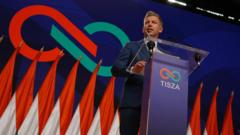
Hungary is entering a period of significant political transformation following the decisive election victory of Péter Magyar and his Tisza party. This shift marks the conclusion of a 16-year era under the previous administration, signaling a fundamental change in the nation’s domestic and foreign policy trajectory. With a supermajority in hand, Magyar is poised to initiate a comprehensive overhaul of government structures, focusing on dismantling systemic corruption and realigning the country with European Union priorities.
In his initial diplomatic outreach, Magyar has signaled a clear departure from the isolationist tendencies of his predecessor. He has already initiated high-level discussions with various European leaders, emphasizing a commitment to strengthening regional ties with nations such as Germany, Austria, and Poland. Furthermore, the new administration has expressed a clear intent to pursue closer integration with the eurozone, aiming to stabilize the economy and restore Hungary’s standing within the continental bloc.
Regarding the conflict in Ukraine, Magyar has adopted a stance that sharply contrasts with the previous government’s rhetoric. While he remains open to communication with Moscow if initiated by the Russian side, he has explicitly stated that any such dialogue would center on an immediate cessation of hostilities. He has reaffirmed Hungary’s position as a committed NATO ally and has pledged to recognize Ukraine as the victim in the ongoing conflict, a move intended to repair strained relations with Western partners.
As the transition of power begins, the new administration faces immediate challenges, including reports of sensitive document destruction by outgoing officials. Despite these hurdles, the incoming leadership remains focused on its mandate for national renewal. European leaders have expressed cautious optimism, viewing the change in government as a positive step toward reinforcing democratic norms and fostering greater unity across the European landscape.
Key Takeaways
- Péter Magyar and the Tisza party have secured a supermajority, ending a 16-year political era in Hungary.
- The new administration plans to prioritize anti-corruption reforms and closer integration with the European Union and eurozone.
- Magyar has signaled a shift in foreign policy, reaffirming NATO commitments and adopting a more supportive stance toward Ukraine.
Editor’s Analysis & Impact
The election of Péter Magyar represents a pivotal moment for Central European geopolitics. By moving away from the previous administration’s contentious relationship with Brussels, Hungary is likely to see a rapid improvement in its diplomatic standing and a potential unlocking of frozen EU funds. The market impact will likely be positive, as investors generally favor the stability and predictability associated with closer EU integration. However, the transition period remains high-risk; the allegations of document destruction suggest a volatile handover that could lead to legal battles. In the long term, Magyar’s success will depend on his ability to balance his ambitious domestic reform agenda with the economic realities of a nation that has been deeply entrenched in a specific political system for over a decade. His ability to navigate these internal pressures while maintaining a pro-Western foreign policy will be the defining test of his leadership.
Frequently Asked Questions
Q: What is the primary goal of Péter Magyar’s new administration?
A: The primary goals include dismantling systemic corruption, reforming domestic government structures, and strengthening Hungary's integration with the European Union and the eurozone.
Q: How does the new administration plan to handle the conflict in Ukraine?
A: Magyar has stated he will treat Ukraine as the victim in the conflict, maintain Hungary's role as a strong NATO ally, and, if contacted by Moscow, would only use the opportunity to demand an immediate end to hostilities.
AI Disclosure: This article is based on verified data and official reports. Our Team and AI have cross-referenced every financial detail with primary sources to ensure total accuracy.
More from this Category