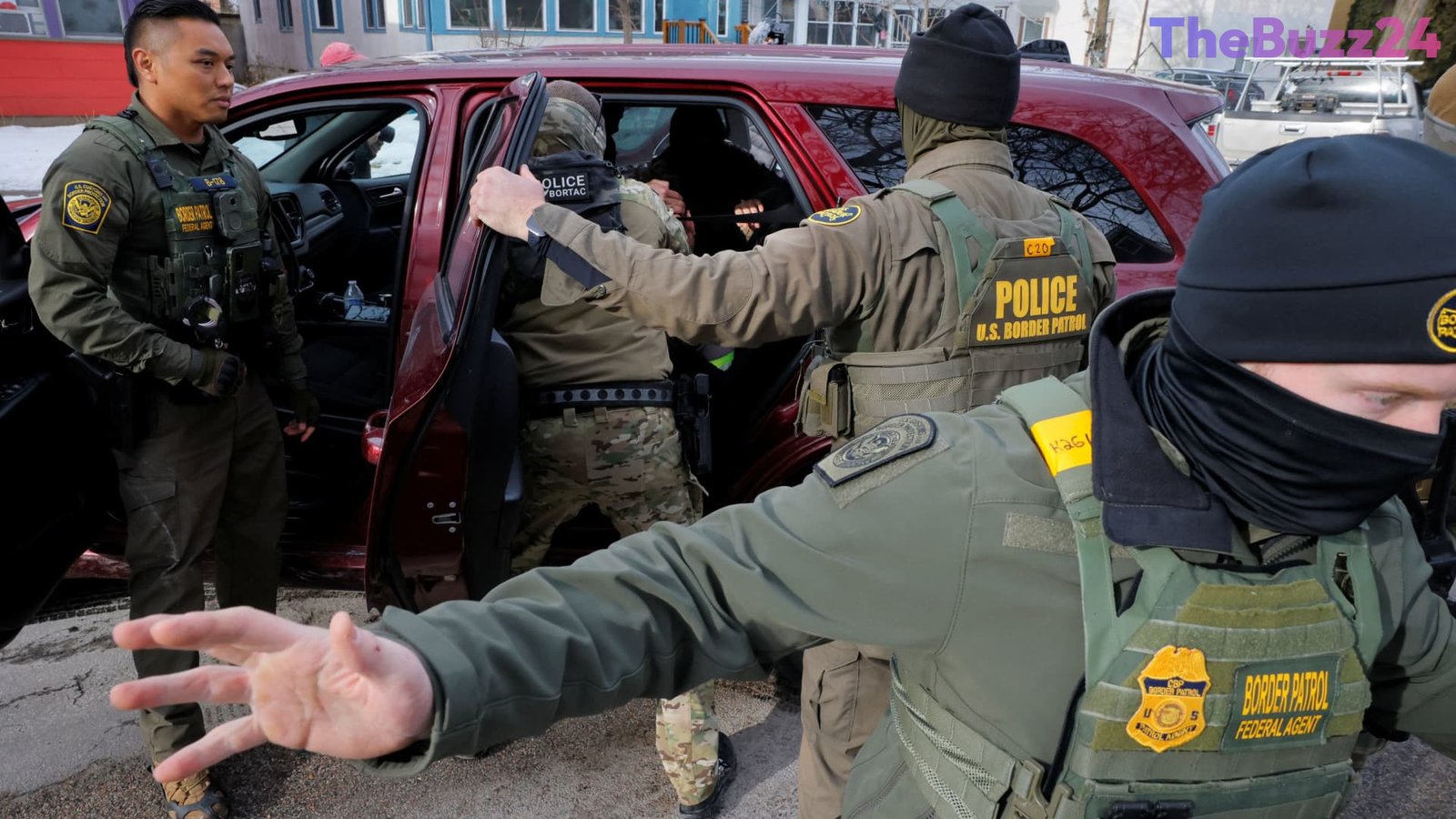
ICE Accelerates Body Camera Rollout Amid Transparency Scrutiny
U.S. Immigration and Customs Enforcement has announced plans to ensure that every operational officer and agent is equipped with a body-worn camera by the close of August. This accelerated deployment marks a significant shift in federal immigration enforcement operations, introducing systematic visual recording to field encounters that have historically lacked direct electronic documentation.
Despite the impending widespread adoption of the technology, questions persist regarding public access to the recorded material. Under the current agency guidelines, leadership retains substantial authority to withhold or delay the release of footage, particularly in cases involving critical incidents such as serious injuries or fatalities in custody. Officials have defended these protocols, asserting they are necessary to safeguard ongoing investigations and protect individual privacy, aligning closely with standards observed across other federal law enforcement branches.
The push for enhanced technological integration comes in the wake of intense public and media scrutiny following high-profile fatal enforcement incidents that lacked video documentation. Agency leadership maintains that the expansion underscores a dedication to institutional accountability and operational transparency, even as external critics debate the balance between investigative integrity and public disclosure rights.
Key Takeaways
- ICE aims to equip all field officers and agents with body-worn cameras by the end of August.
- Agency leadership retains discretionary control over the release of footage, especially concerning critical incidents.
- The rollout follows increased public scrutiny and recent high-profile enforcement incidents lacking video records.
Editor’s Analysis & Impact
The rapid deployment of body-worn cameras by Immigration and Customs Enforcement represents a critical turning point for federal law enforcement transparency. While outfitting field personnel with recording devices introduces a valuable layer of objective documentation, the agency’s discretion over footage release introduces significant tension regarding public accountability. As civil rights advocates and legal experts scrutinize these oversight mechanisms, the policy sets a crucial precedent for how federal agencies balance investigative confidentiality with public demand for transparency in high-stakes encounters. Moving forward, the practical execution of this policy will likely serve as a benchmark for federal law enforcement standards nationwide.
Frequently Asked Questions
Q: When will all ICE field officers be equipped with body cameras?
A: ICE has stated it expects to have every officer and agent in the field equipped with a body-worn camera by the end of August.
Q: Will all body camera footage be made available to the public?
A: Not necessarily. Agency leadership retains the authority to withhold or delay footage release to protect ongoing investigations and privacy, or when deemed necessary.
Q: Why is ICE accelerating its body camera program?
A: The accelerated rollout follows heightened scrutiny and public pressure stemming from recent fatal enforcement incidents involving federal officers.
AI Disclosure: This article is based on verified data and official reports. Our Team and AI have cross-referenced every financial detail with primary sources to ensure total accuracy.
More from this Category