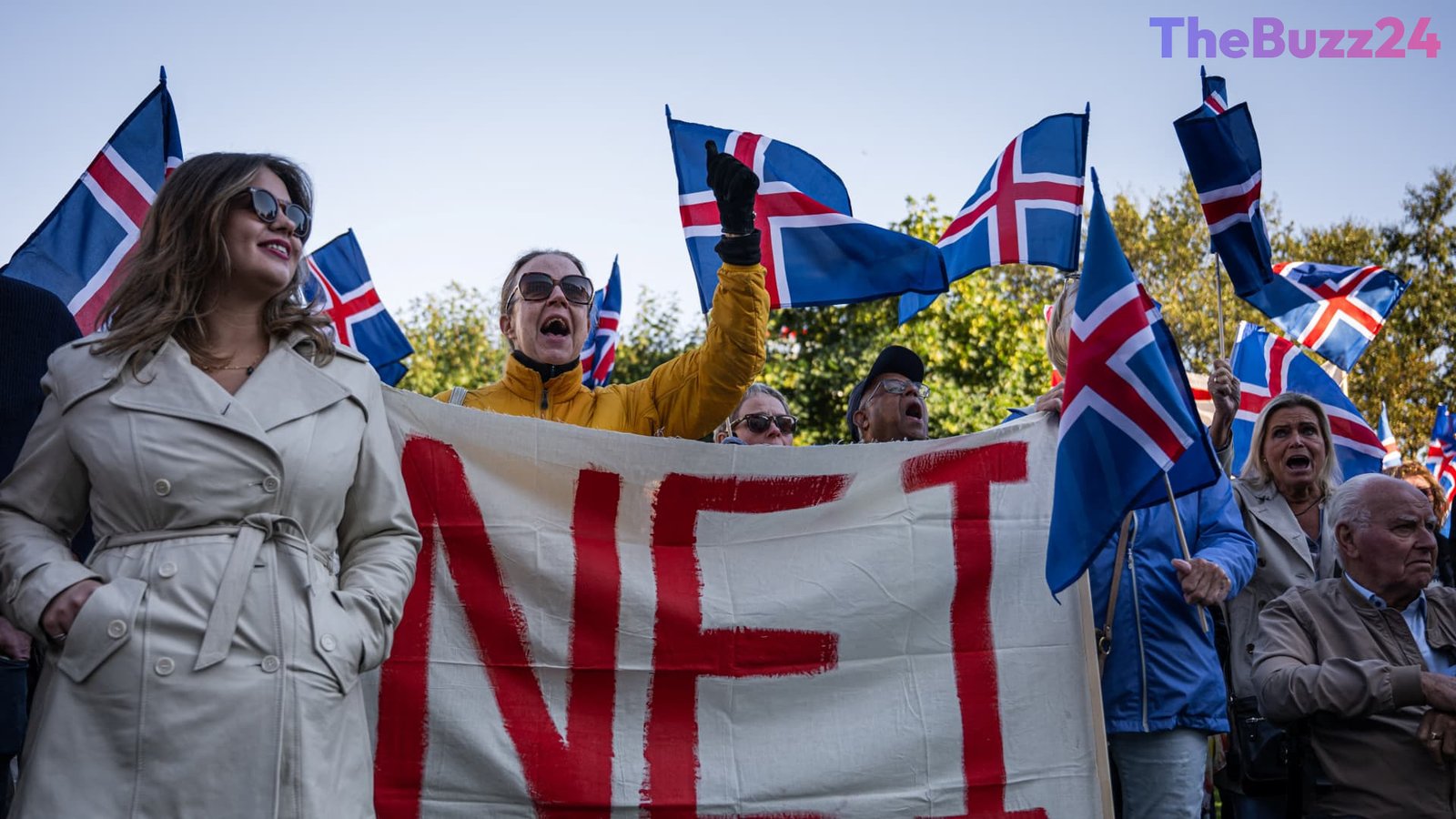
Iceland Rejects EU Membership Talks Amid Fierce Sovereignty Debates and Fisheries Concerns
Citizens of Iceland have decisively voted against resuming accession negotiations with the European Union, with 52.8% of the electorate opposing the government-backed push. The referendum highlights a deep-seated commitment to national self-governance and the protection of the nation’s vital fishing sector, which ultimately overshadowed mounting geopolitical tensions in the Arctic region. A successful ‘yes’ vote would have initiated formal talks, with any final agreement subject to a secondary public referendum.
The campaign against EU integration heavily leveraged public anxieties surrounding the potential loss of domestic authority over marine resources. Although the economic footprint of fishing has contracted over recent decades—yielding ground to expanding manufacturing and service sectors—seafood and marine exports remain central to the nation’s economic identity and export market. Analysts noted that opponents of the measure successfully galvanized voters by framing the debate around absolute self-determination, outmaneuvering a pro-integration campaign that critics described as overly technical and lacking emotional resonance.
This domestic political decision unfolds against a backdrop of shifting strategic dynamics in the North Atlantic, particularly involving discussions over Arctic security and regional alliances. As a founding member of the North Atlantic Treaty Organization without a standing military, the island nation occupies a vital geographic choke point linking the Arctic to the Atlantic Ocean. Despite these broader international complexities and recent political rhetoric from foreign leaders regarding neighboring territories, voters chose to prioritize traditional sovereignty and existing integration frameworks over pursuing full EU membership.
Key Takeaways
- Voters in Iceland rejected reopening EU membership negotiations by a margin of 52.8% to 47.2%.
- Opposition campaigns successfully focused on preserving national sovereignty and control over the domestic fishing industry.
- Despite Iceland's strategic position in the North Atlantic and broader Arctic security debates, global geopolitical concerns took a backseat to local identity issues.
Editor’s Analysis & Impact
The outcome of Iceland’s referendum underscores the enduring power of economic nationalism and resource sovereignty, even in an era of heightened geopolitical instability and shifting security paradigms in the Arctic. While the nation remains securely anchored to European markets through the European Economic Area and the Schengen Area, full political integration remains a bridge too far for an electorate fiercely protective of its maritime heritage and self-governance. For international observers, this vote demonstrates that local identity and traditional industries can easily outweigh external strategic pressures at the ballot box. Moving forward, Iceland will likely continue its pragmatic, partial integration approach, maintaining economic ties with Europe while keeping formal political entanglement at arm’s length.
Frequently Asked Questions
Q: Why did Icelanders vote against reopening EU talks?
A: The opposition campaign successfully focused on national sovereignty and maintaining strict domestic control over Iceland's vital fisheries and natural resources.
Q: Is Iceland completely isolated from the European Union?
A: No, Iceland is deeply integrated into the European framework through the European Economic Area, which grants access to the EU single market, and the Schengen Area for passport-free travel.
Q: What happens to Iceland's security arrangements after the vote?
A: Iceland remains a founding member of NATO, continuing its traditional defense alignments despite rejecting full political membership in the European Union.
AI Disclosure: This article is based on verified data and official reports. Our Team and AI have cross-referenced every financial detail with primary sources to ensure total accuracy.
More from this Category