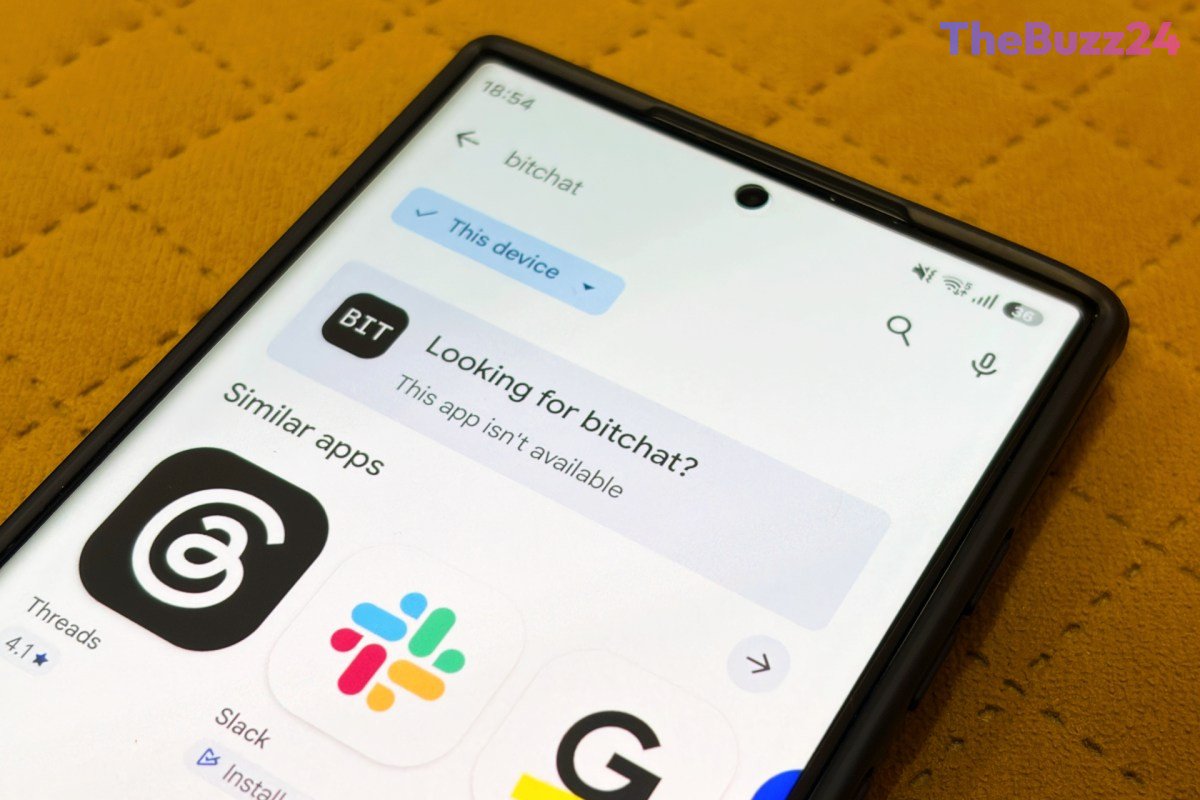
India Orders Removal of Jack Dorsey’s Bitchat App from App Stores
Jack Dorsey’s decentralized messaging application, Bitchat, has been removed from both Apple and Google’s app stores in India. This action follows a direct order from the Indian government, which has sought to restrict access to the open-source software for several months. Dorsey confirmed the directive, sharing a notice from Apple indicating that India’s Ministry of Electronics and Information Technology issued the demand under Section 69A of the Information Technology Act, a key legal provision for government-mandated online blocking.
Bitchat, launched last year, is designed to facilitate encrypted communication without relying on traditional cellular networks, internet access, or centralized servers. It achieves this through Bluetooth mesh networking, allowing nearby devices to exchange messages directly. This unique architecture has been a point of contention with Indian authorities, who previously ordered GitHub to remove repositories associated with the app. The government’s rationale then was that Bitchat’s design made it challenging for law enforcement to intercept communications or trace users, particularly its ability to function during internet shutdowns.
Digital rights advocates have voiced strong opposition to the government’s actions. The Internet Freedom Foundation, a New Delhi-based group, has labeled the latest order unconstitutional. They argue that Section 69A is intended for blocking unlawful information, not an entire messaging application based on its operational capabilities during internet outages. Furthermore, the group highlighted that neither the blocking order nor the specific allegedly illegal content cited as the basis for the action has been made public.
The removal of Bitchat coincides with a period of heightened social unrest in India, marked by youth-led protests over changes to voter rolls and subsequent internet service suspensions. During protests last July, demonstrators reportedly utilized Bitchat and similar apps when authorities cut off internet access. Data from market intelligence firm Sensor Tower revealed a significant surge in Bitchat downloads in India around that time, with the country accounting for approximately 85% of the app’s global downloads between July 17 and July 23, a stark increase from about 1% in the preceding month.
Key Takeaways
- India has ordered Apple and Google to remove Jack Dorsey's decentralized messaging app, Bitchat, from their app stores within the country.
- The government cited Section 69A of the IT Act, previously expressing concerns about Bitchat's architecture making user tracing and communication interception difficult, especially during internet shutdowns.
- Digital rights advocates, like the Internet Freedom Foundation, are challenging the order's constitutionality, arguing that Section 69A is being misapplied to block an entire app based on its functionality rather than specific unlawful content.
Editor’s Analysis & Impact
This move by the Indian government against Bitchat sets a significant precedent for how nations might regulate decentralized technologies and open-source software. It underscores a growing global tension between national security interests, law enforcement capabilities, and fundamental digital privacy and freedom of speech. The incident could deter developers from launching similar censorship-resistant applications in markets with stringent internet controls, potentially leading to a more fragmented digital landscape. Conversely, it might also spur further innovation in technologies designed to circumvent such restrictions, creating an ongoing cat-and-mouse game between developers and regulators. Ultimately, this action raises critical questions about internet freedom, user rights, and the future of digital communication in an increasingly regulated world.
Frequently Asked Questions
Q: What is Bitchat and how does it work?
A: Bitchat is a decentralized messaging app developed by Jack Dorsey's team. It uses Bluetooth mesh networking to allow nearby devices to exchange encrypted messages without relying on cellular networks, internet access, or centralized servers.
Q: Why did the Indian government order its removal?
A: The Indian government cited Section 69A of the Information Technology Act. It previously expressed concerns that Bitchat's architecture makes it difficult for law enforcement agencies to intercept communications or trace users, and noted its ability to operate during internet shutdowns.
Q: What are the implications for digital rights?
A: Digital rights groups argue that blocking an entire app based on its functionality, rather than specific unlawful content, is unconstitutional and a misapplication of Section 69A. This action raises concerns about internet freedom and government overreach in regulating communication tools.
AI Disclosure: This article is based on verified data and official reports. Our Team and AI have cross-referenced every financial detail with primary sources to ensure total accuracy.
More from this Category